
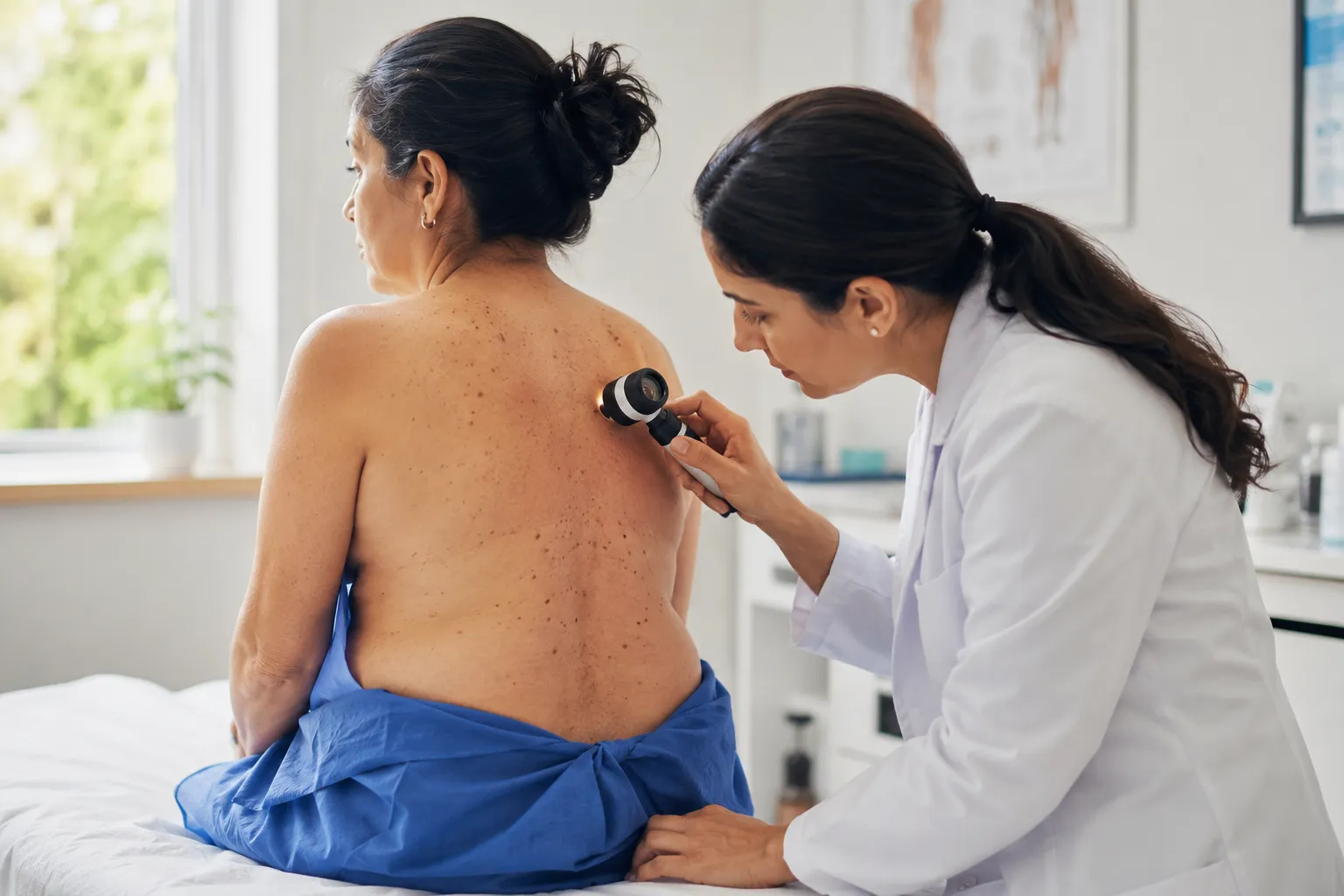
The best skin cancer clinic in Mississauga combines board-certified physicians or surgeons with dermatology training, same-week appointment availability, on-site biopsy and excision capability, and transparent OHIP and insurance guidance. Look for a clinic that offers full-body skin exams, dermoscopy, minor surgical removal, and pathology follow-up under one roof, such as The Minor Surgery Center in Mississauga. Clinics that can move a suspicious mole from screening to biopsy to removal without months of referrals typically produce better outcomes and less patient anxiety.
A good skin cancer clinic in Mississauga is defined by clinical thoroughness, fast access, and continuity of care from the first mole check through pathology results and any needed surgery. The strongest clinics avoid fragmenting a patient's care across three or four separate appointments and providers.
Several concrete markers separate a strong clinic from an average one:
Choose a clinic that scores well on all six points if you have a new or changing mole and want to avoid the common problem of bouncing between a family doctor, a dermatologist, and a surgeon over several months. A clinic lacking on-site biopsy or surgical capacity isn't necessarily bad, but it will add steps and time to your care.
A common mistake patients make is choosing a clinic based only on how quickly they can get a screening appointment, without asking what happens next if something suspicious is found. Ask that question before booking.
Patient reviews for skin cancer clinics in Mississauga most consistently praise clinics for short wait times, clear communication about biopsy results, and a comfortable, low-anxiety exam experience. Ratings tend to drop when patients feel rushed during the exam or when follow-up communication about pathology results is slow or unclear.
When reading reviews, focus on patterns rather than single comments:
A quick example: a patient who found a fast-growing dark spot on their calf might search reviews specifically for words like "biopsy," "same week," or "urgent" rather than general star ratings, since overall ratings don't always reflect how a clinic handles time-sensitive cases.
Independent review platforms, Google Business listings, and clinic testimonial pages all offer useful signals, but no single review site should be treated as definitive. Cross-check patterns across at least two sources before deciding.
Dermatologists are physicians specialized in skin, hair, and nail conditions broadly, while a skin cancer specialist or minor surgery clinic focuses more narrowly on the detection, biopsy, and surgical removal of suspicious lesions. Both can diagnose skin cancer, but access, wait times, and scope of services differ.
Here is how the two paths typically compare in Mississauga:
FactorDermatologist (OHIP referral)Minor Surgery / Skin Cancer ClinicReferral neededUsually yes, from a family doctorOften no referral requiredTypical wait for first visitWeeks to a few monthsDays to about two weeksOn-site biopsyCommonCommonOn-site surgical excisionVaries by practiceFrequently availableBroader skin condition care (acne, eczema, etc.)YesLimited, cancer/lesion-focusedCost for non-covered servicesVariesOften published upfront
Choose a dermatologist if you need ongoing management of a broader skin condition alongside cancer screening, such as chronic eczema plus a mole check. Choose a dedicated skin cancer or minor surgery clinic if your main concern is a specific lesion and you want the fastest path from screening to biopsy to removal.
An edge case worth knowing: some minor surgery clinics work alongside plastic surgeons and general surgeons for complex excisions, particularly on the face, so ask whether reconstructive expertise is available if the lesion is in a cosmetically sensitive area. For a broader view of specialists in the region, see this guide to finding the best dermatologist in Toronto, which covers how dermatology scope compares with focused surgical clinics.
Medically necessary skin cancer screening, biopsy, and removal are covered by OHIP in Ontario when a physician determines the lesion is clinically suspicious, but purely cosmetic mole removal is typically an out-of-pocket cost. Patients should confirm coverage details before their appointment, since billing practices vary by clinic.
Key points on cost and insurance:
Common mistake: assuming all mole removal is free under OHIP. In practice, coverage depends on medical necessity as documented by the physician, not the patient's own opinion about the mole. For more detail on this distinction, see the discussion of whether cosmetic mole removal is covered by OHIP.
For a general sense of related procedure costs, this breakdown of cyst removal costs in Ontario illustrates how minor surgical billing typically works at clinics offering both cosmetic and medically necessary services.
Most Mississauga skin cancer clinics allow patients to book a mole check or skin exam directly online or by phone, often without a family doctor referral, and can typically see new patients within one to two weeks. Urgent-looking lesions are often prioritized for faster booking.
A simple step-by-step approach:
Choose an online-booking clinic if you want to avoid phone tag and see available time slots immediately. This matters most when a lesion looks concerning and you don't want to wait for a callback. The Minor Surgery Center's Mississauga clinic page outlines direct booking options for residents in the area, and the mole check without referral resource explains the no-GP-needed pathway available at many private clinics.
A skin cancer screening appointment typically takes 15 to 30 minutes and involves a visual and dermoscopic exam of the lesion in question, plus a broader look at other moles or spots if a full-body exam is requested. Most screenings are painless and non-invasive unless a biopsy is performed.
Here's the general flow:
Quick example: a patient booking a full body skin exam with a strong family history of melanoma should expect the exam to take longer than a single-spot check, since the physician will systematically photograph and assess dozens of moles rather than one lesion.
Edge case: patients with very large numbers of moles (50 or more) may benefit from formal mole mapping, which creates a baseline photographic record to detect subtle changes over future visits, something a single one-off exam cannot do as effectively.
The main treatment options for skin cancer are surgical excision, Mohs micrographic surgery, cryotherapy, topical medications, and radiation, with the right choice depending on cancer type, size, location, and depth. Surgical excision remains the most common and definitive treatment for most confirmed skin cancers.
Treatment options compared:
Choose surgical excision if the diagnosis confirms basal cell carcinoma, squamous cell carcinoma, or melanoma at a standard depth, this is the default recommendation for most confirmed cases. Choose Mohs surgery if the cancer is on the face, near the eyes, nose, or ears, where preserving tissue and appearance matters significantly.
Common mistake: assuming all skin cancers get treated the same way. Superficial basal cell carcinoma and invasive melanoma require very different levels of surgical margin and follow-up, so treatment planning always follows the specific pathology report, not a generic protocol.
Wait times for skin cancer screening at private Mississauga clinics typically range from a few days to two weeks for a standard appointment, while OHIP-referred dermatology consultations can take longer depending on the referring physician's assessment of urgency. Genuinely urgent cases are usually prioritized faster at most clinics.
Factors that affect wait time:
Choose a multi-location clinic network if your local Mississauga branch has a two-week wait and you'd rather be seen sooner at a nearby office. This is a practical workaround many patients don't realize is available.
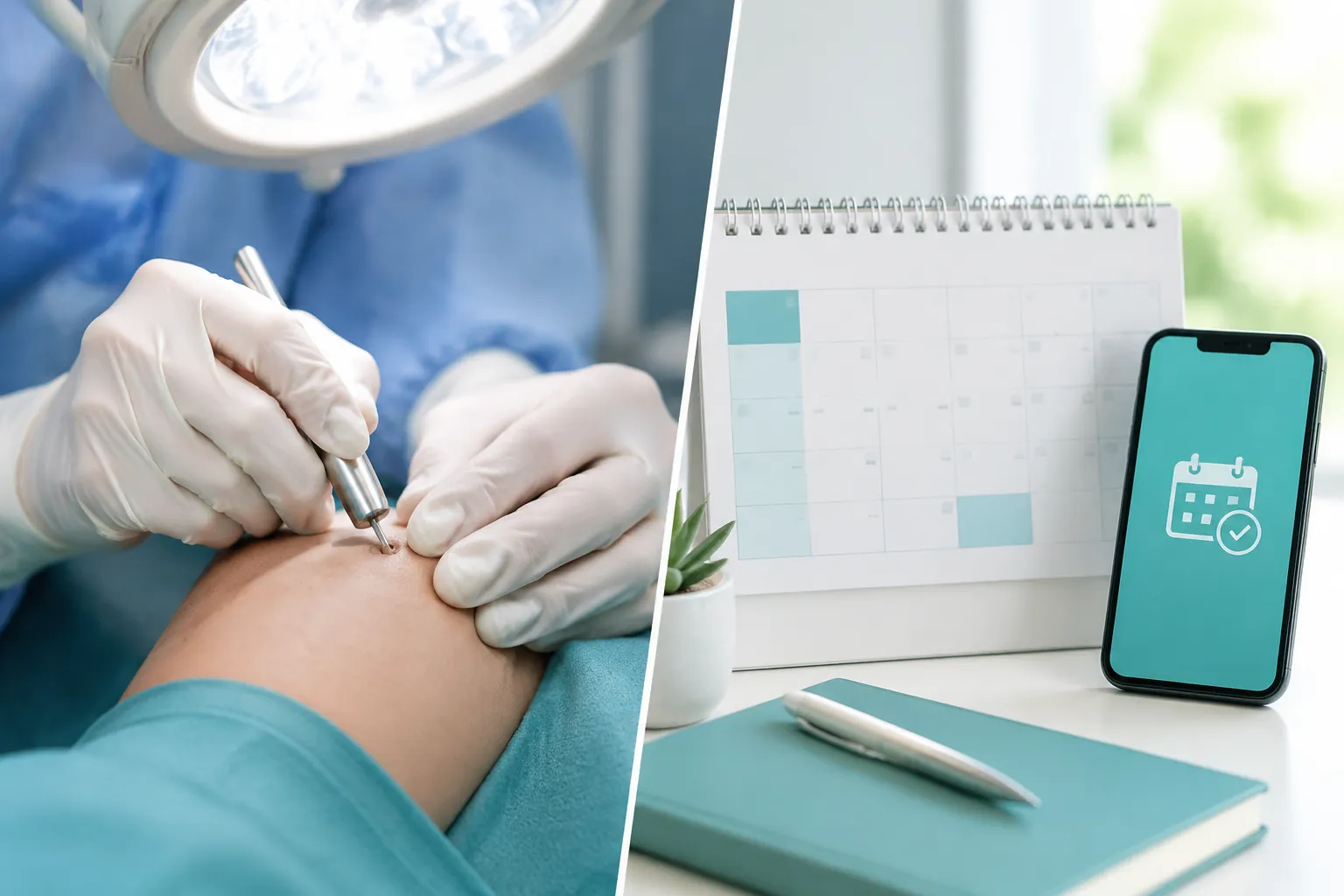
Look for a skin cancer doctor with formal training in dermatologic or surgical assessment, documented experience with biopsy and excision, and a track record of clear communication about diagnosis and next steps. Credentials matter, but so does how the physician communicates uncertainty.
Practical checklist:
You can review physician backgrounds directly, such as this surgeon profile for Dr. Abrar Al Jassim or the team page listing multiple surgeons and their specialties, to compare experience before booking.
Edge case: if a mole is in a cosmetically sensitive area like the face, ask specifically whether the physician has experience with facial excisions and scar minimization, since general competence in mole removal doesn't always translate to facial reconstructive skill. This guide on what to expect after skin cancer excision on the face is a useful reference for that conversation.
Several Mississauga-area skin cancer and minor surgery clinics now offer direct online booking, letting patients schedule a mole check or skin exam without waiting for a phone callback or GP referral. This matters most for patients who want to act quickly on a new or changing spot.
What to check before booking online:
Residents in specific Mississauga neighborhoods can find geographically tailored guidance, such as this resource on minor surgery and mole removal in Erin Mills or general mole, cyst, and skin tag removal services across Mississauga. For those in Port Credit specifically, this skin lesion and skin tag removal guide covers local options.
Melanoma treatment generally requires wider surgical margins and closer monitoring for spread because melanoma can metastasize more readily, while non-melanoma skin cancers (basal cell carcinoma and squamous cell carcinoma) are usually treated with more localized excision and lower recurrence risk. The distinction changes both urgency and treatment planning significantly.
FactorMelanomaBasal Cell / Squamous Cell CarcinomaMetastasis riskHigher, especially if caught lateGenerally low, SCC somewhat higher than BCCTypical excision marginWider margins based on tumor depthNarrower margins, often sufficient with standard excisionFollow-up monitoringMore frequent, often including lymph node checksStandard follow-up, less intensive typicallyUrgency of treatmentHigh, especially with rapid growth or ulcerationImportant but generally less time-criticalCommon growth patternCan spread vertically and deeplyUsually more localized, slower-growing
Choose immediate specialist referral if a biopsy confirms melanoma, since staging and treatment planning need to move quickly. Standard excision timelines are usually appropriate if the diagnosis is basal cell or squamous cell carcinoma without unusual features.
For a deeper look at how melanoma progresses when untreated, see this explanation of advanced melanoma stages. For squamous cell carcinoma specifically, this resource on cutaneous squamous cell carcinoma covers its distinct characteristics and treatment approach. A broader primer on the four main types of skin cancer is also useful for understanding how these categories differ overall.
Not every skin cancer clinic performs both biopsy and surgical excision on-site, so patients should confirm this directly before booking, especially if they want to avoid a second referral if cancer is confirmed. The best skin cancer clinic in Mississauga for most patients is one that handles the full pathway: screening, biopsy, and removal, without passing the patient to another facility.
Questions to ask directly:
A clinic offering the full pathway on-site, such as The Minor Surgery Center's skin cancer clinic services across Toronto, Mississauga, Vaughan, and Oakville, typically shortens total time-to-treatment by weeks compared to a fragmented referral chain. This matters because delays between diagnosis and treatment can affect outcomes, particularly for melanoma.
Common mistake: booking a screening-only clinic assuming they'll "figure out" the next steps for you. Some screening clinics exist purely for assessment and immediately refer out for anything beyond a basic check, which is fine for reassurance visits but slower if cancer is actually found.
Dermatologists consistently recommend daily sun protection, monthly self-exams, and annual professional skin checks for higher-risk individuals as the three most effective prevention habits. None of these require special equipment or significant cost.
Practical prevention steps:
Quick example: a person with fair skin, a sunburn history from childhood, and a parent who had melanoma fits a higher-risk profile and should discuss annual screening with a clinic, rather than waiting for a visibly changing spot to appear. For general awareness of what to watch for, this overview of cancer-related skin spots and this guide distinguishing flat moles versus raised moles and skin cancer risk offer useful visual reference points.
Patients with a rapidly changing, bleeding, ulcerated, or newly painful skin lesion should seek an urgent appointment rather than a routine booking, and most established Mississauga skin cancer clinics maintain some capacity for same-week or expedited urgent visits. Waiting weeks on a routine queue is not appropriate for these warning signs.
Signs that warrant urgent evaluation:
Choose an urgent-slot clinic visit if any of the signs above apply, rather than waiting for your next scheduled checkup. Most clinics have a process to fast-track these cases if you explain the symptoms clearly when booking. It's worth noting that skin cancer does not always cause pain in its early stages, which is a common misconception; for context, see this explanation of whether skin cancer hurts. Absence of pain should never be used to rule out concern about a suspicious-looking lesion.
If a lump rather than a flat lesion is the concern, it's also worth understanding the difference between benign growths and cancer; this resource on lipoma versus signs that warrant medical advice for lumps under the skin clarifies when a lump needs prompt evaluation.
Selecting the best skin cancer clinic in Mississauga comes down to matching clinic capabilities to your specific situation, whether that's a routine annual check or an urgent, changing lesion. Use this checklist to compare options quickly:
For broader comparison shopping across the region, resources like the list of best skin cancer screening and treatment clinics in Toronto and the 17 best skin cancer screening options guide provide additional context for patients weighing Mississauga clinics against nearby Toronto or Oakville alternatives.
Do I need a referral to see a skin cancer specialist in Mississauga?
Not always. Many minor surgery and skin cancer-focused clinics in Mississauga accept self-referred patients for mole checks and skin exams, while some dermatology practices still require a family doctor referral. Confirm directly with the clinic before booking.
How long does a skin biopsy result take in Ontario?
Pathology results typically return within one to two weeks after a biopsy, though timing can vary by lab volume and the complexity of the sample. Ask your clinic for their specific expected turnaround and how they notify patients.
Is skin cancer screening covered by OHIP?
Yes, medically necessary skin cancer screening, biopsy, and excision are generally covered by OHIP when a physician determines clinical necessity. Purely cosmetic mole removal without medical indication is typically not covered.
What is the difference between a mole check and a full-body skin exam?
A mole check focuses on one or a few specific spots a patient is concerned about, while a full-body skin exam systematically reviews the entire skin surface, including areas patients can't easily see themselves, such as the back and scalp.
Can a minor surgery clinic remove melanoma, or do I need a specialist?
Many minor surgery clinics can perform standard excisions for confirmed basal cell and squamous cell carcinomas, and some also handle melanoma excision depending on depth and location. More advanced or deep melanomas may require referral to a surgical oncologist.
What does it mean if my mole is described as "atypical" but not cancerous?
An atypical mole shows some irregular features under examination but does not meet the criteria for cancer diagnosis. These moles are often monitored more closely with photography and follow-up visits rather than immediate removal.
How often should I get a professional skin check if I have no personal history of skin cancer?
General guidance suggests an annual check for average-risk adults, though those with many moles, fair skin, or a family history of melanoma may benefit from more frequent monitoring, as advised by their physician.
Are skin tags the same as skin cancer risk?
No, skin tags are benign growths unrelated to skin cancer risk, though any new or changing skin growth should still be evaluated if uncertain. Clinics offering both skin lesion and skin tag removal services can typically distinguish between the two quickly during an exam.
Does insurance cover mole mapping for high-risk patients?
Coverage for mole mapping varies; OHIP may cover it when medically indicated for high-risk patients, while some clinics offer it as a paid service for enhanced monitoring. Confirm coverage specifics with the clinic before your appointment.
What should I bring to my first skin cancer screening appointment?
Bring your health card, a list of any moles or spots you're concerned about, photos showing changes over time if available, and a summary of your family history of skin cancer. This helps the physician assess risk more efficiently.
Finding the best skin cancer clinic in Mississauga means looking past appointment speed alone and evaluating whether a clinic can carry a patient through the entire process: screening, dermoscopy, biopsy, and surgical removal if needed, without unnecessary referral delays. The strongest clinics combine physician-led exams, on-site biopsy capability, transparent OHIP and cost guidance, and a track record of clear communication about pathology results.
Next steps for readers: if you have a new or changing mole, book a screening appointment within the next one to two weeks rather than waiting, and ask the clinic directly whether they handle biopsy and excision on-site. If you're due for a routine check and have risk factors like fair skin or a family history of melanoma, schedule an annual full-body exam now rather than waiting for a visible symptom to appear. For patients ready to compare options directly, the Minor Surgery Center's Mississauga skin cancer clinic page outlines booking details and services available at the local clinic.
Meta Title: Best Skin Cancer Clinic in Mississauga: Full Guide 2026
Meta Description: Find the best skin cancer clinic in Mississauga: screening, biopsy, treatment options, costs, wait times, and how to book urgent appointments.
Tags: best skin cancer clinic in mississauga, skin cancer screening, mole check, melanoma treatment, basal cell carcinoma, squamous cell carcinoma, dermatology mississauga, skin biopsy, full body skin exam, mohs surgery, OHIP coverage, mole mapping