What to Expect After Skin Cancer Excision on the Face: A Complete Recovery Guide

When you've just undergone skin cancer excision on your face, the journey ahead might feel uncertain. The good news? Understanding what to expect after skin cancer excision on the face can transform anxiety into confidence, helping you navigate recovery with clarity and peace of mind. Whether you're dealing with basal cell carcinoma, squamous cell carcinoma, or melanoma, facial skin cancer removal is a critical step toward protecting your health—and knowing what comes next empowers you to heal optimally.

Facial skin is delicate, visible, and deeply personal. After excision surgery, patients naturally worry about scarring, healing time, pain management, and when they can return to normal activities. This comprehensive guide walks you through every stage of recovery, from the first 24 hours post-surgery to long-term scar management, ensuring you have the knowledge and tools to achieve the best possible outcome. ✨
Key Takeaways

  • Immediate recovery involves managing swelling, bruising, and discomfort for the first 48-72 hours, with most patients experiencing peak swelling around day 2-3
  • Wound care is critical: keeping the surgical site clean, dry, and properly dressed prevents infection and promotes optimal healing
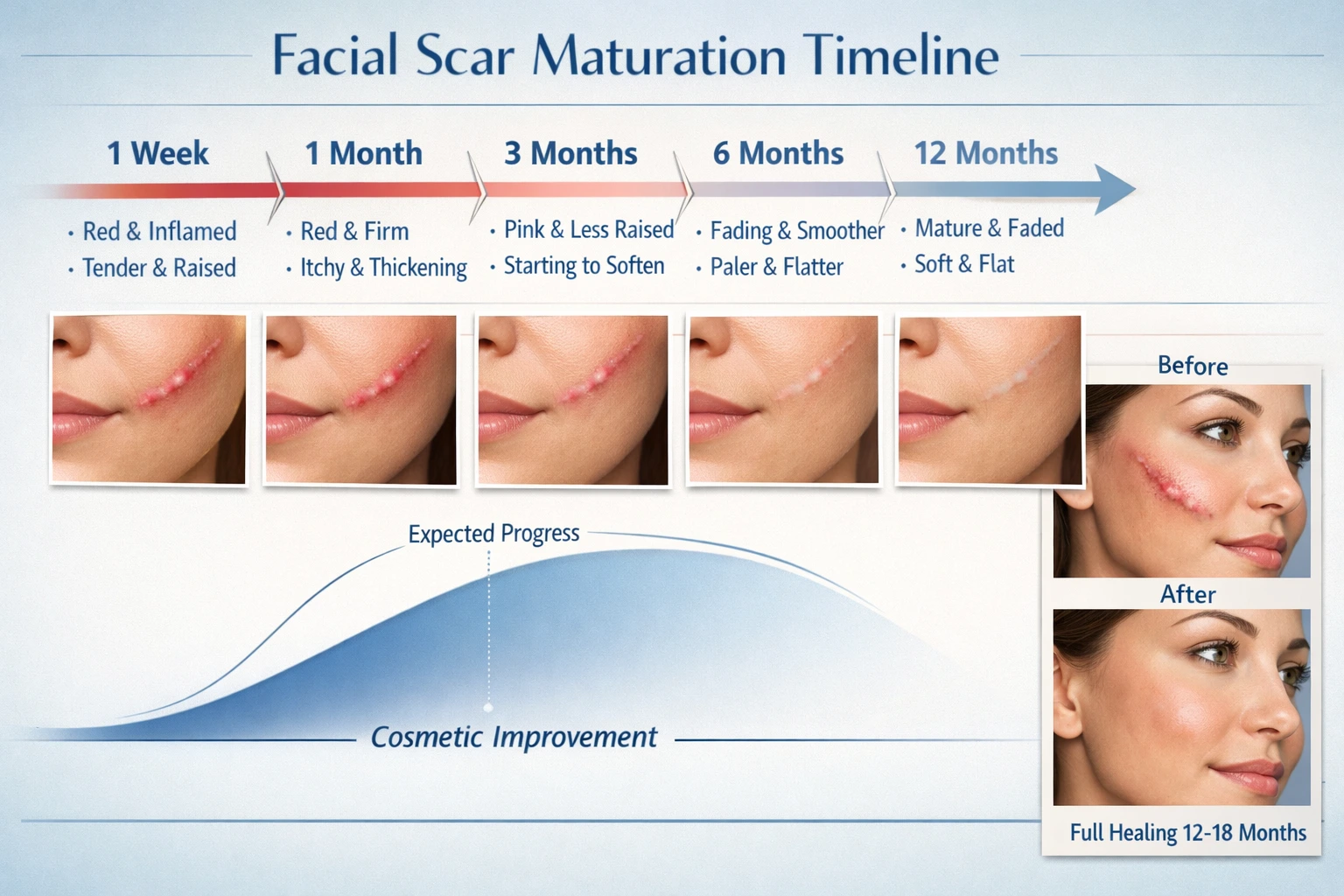
  • Scarring timeline extends 12-18 months, with the most dramatic improvements occurring in months 3-6 as collagen remodels
  • Sun protection becomes a lifelong priority, with SPF 50+ required on healing skin to prevent hyperpigmentation and protect against recurrence
  • Follow-up appointments are essential for monitoring healing, removing sutures, and screening for new skin cancers

Understanding Skin Cancer Excision on the Face

Facial skin cancer excision is a surgical procedure designed to completely remove cancerous tissue while preserving as much healthy skin as possible. The face presents unique challenges due to its complex anatomy, aesthetic importance, and rich blood supply, which actually aids in faster healing but can also contribute to more pronounced swelling initially.

Types of Facial Skin Cancer Excision

Simple Excision: The most common approach involves cutting out the cancerous lesion along with a margin of healthy tissue. The surgeon then closes the wound with sutures, creating a linear scar that typically heals well on the face due to excellent blood flow. [1]

Mohs Micrographic Surgery: This specialized technique removes cancer layer by layer, examining each layer under a microscope until no cancer cells remain. Mohs surgery offers the highest cure rate (up to 99% for certain skin cancers) while removing the least amount of healthy tissue—particularly valuable for facial procedures where tissue preservation matters. [2]

Wide Local Excision: For more aggressive cancers like melanoma, surgeons remove wider margins of tissue, sometimes requiring skin grafts or flaps for reconstruction.

Understanding which type of skin cancer you had removed influences your recovery expectations. Basal cell carcinomas typically require smaller excisions, while melanomas may involve more extensive surgery and longer healing periods.

Why Facial Recovery Differs

The face heals differently than other body areas for several important reasons:

🩸 Enhanced Blood Supply: Facial tissue receives abundant blood flow, accelerating healing but also increasing initial swelling and bruising.

🧬 Thinner Skin: Facial skin is more delicate, requiring gentler care and specialized wound management techniques.

💪 Constant Movement: Facial expressions create ongoing tension on healing wounds, potentially affecting scar formation.

☀️ Sun Exposure: The face receives more UV exposure than most body parts, necessitating vigilant sun protection during healing.

These factors make understanding what to expect after skin cancer excision on the face particularly important for achieving optimal aesthetic and medical outcomes.

The First 24-48 Hours: Immediate Post-Operative Period

The initial hours after facial skin cancer excision set the foundation for successful healing. This critical window requires careful attention to wound care, symptom management, and activity modification.

What Happens Immediately After Surgery

You'll leave the skin cancer clinic with your surgical site covered by a pressure dressing designed to minimize bleeding and swelling. This bandage should remain intact for the first 24 hours unless your surgeon provides different instructions.

Normal Immediate Symptoms:

  • Mild to moderate throbbing pain at the surgical site
  • Tightness or pulling sensation around the wound
  • Some blood spotting through the bandage (small amounts are normal)
  • Numbness or tingling around the incision due to local anesthetic
  • Feeling emotionally drained or fatigued from the procedure

Red Flags Requiring Immediate Medical Attention:

  • Heavy bleeding that soaks through the bandage
  • Severe, uncontrolled pain not relieved by prescribed medication
  • Signs of allergic reaction (difficulty breathing, widespread rash, severe swelling)
  • Fever above 101°F (38.3°C)
  • Excessive swelling that rapidly worsens

Pain Management in the First 48 Hours

Most patients report facial skin cancer excision pain as manageable with over-the-counter medications. Here's what to expect:

Time PeriodPain Level (1-10)Management StrategyHours 0-63-5Local anesthetic still working; minimal discomfortHours 6-244-7Peak discomfort; take prescribed pain medicationHours 24-483-5Decreasing pain; switch to acetaminophen or ibuprofenDays 3-71-3Mild discomfort; OTC medication as needed

Pain Management Tips:

  • Take pain medication before the local anesthetic wears off (typically 4-6 hours post-surgery)
  • Apply ice packs for 15-20 minutes every hour while awake during the first 48 hours
  • Keep your head elevated, even while sleeping, to reduce swelling and throbbing
  • Avoid aspirin unless specifically prescribed, as it can increase bleeding risk

Activity Restrictions

The first 48 hours require significant lifestyle modifications to protect your healing wound:

❌ Avoid These Activities:

  • Strenuous exercise, heavy lifting, or activities that increase blood pressure
  • Bending over or putting your head below your heart
  • Hot showers, saunas, or activities that cause sweating
  • Alcohol consumption, which can thin blood and increase bleeding risk
  • Smoking, which severely impairs wound healing

✅ Recommended Activities:

  • Gentle walking at a slow pace
  • Watching television or reading while keeping head elevated
  • Light meal preparation (nothing requiring heavy lifting)
  • Working from home if your job is sedentary and low-stress

Understanding what to expect after skin cancer excision on the face during these crucial first hours helps you prepare mentally and practically for the recovery journey ahead.

Days 3-14: The Active Healing Phase

This two-week period represents the most visible and dramatic changes in your healing journey. Your body works intensively to close the wound, fight potential infection, and begin the early stages of scar formation.

Swelling and Bruising Patterns

Facial swelling typically follows a predictable pattern after skin cancer excision:

Days 2-4: Peak swelling occurs, often making the surgical area appear worse than immediately after surgery. This is completely normal and expected. Swelling may extend beyond the surgical site—for example, excisions on the forehead can cause eyelid swelling, while cheek procedures may affect the area under your eyes.

Days 5-7: Swelling begins to subside noticeably. You'll see daily improvements, though the area may still look puffy, especially in the morning.

Days 8-14: Most swelling resolves, though subtle puffiness may persist, particularly with larger excisions or in patients over 60.

Bruising Timeline:

  • Days 1-3: Bruising appears and darkens (red to purple)
  • Days 4-7: Color changes to green and yellow as blood breaks down
  • Days 8-14: Bruising fades to light yellow before disappearing
  • Gravity effect: Bruising often "travels" downward due to gravity (forehead bruising may appear around eyes by day 3-4)

Wound Care Essentials

Proper wound care during this phase is absolutely critical for preventing infection and optimizing scar appearance. Here's your comprehensive care protocol:

Daily Cleaning Routine (typically starting 24-48 hours post-surgery):

  1. Wash your hands thoroughly with antibacterial soap for at least 20 seconds
  2. Gently remove the old dressing by moistening it with saline if it sticks
  3. Clean the wound with sterile saline solution or diluted hydrogen peroxide (if recommended by your surgeon)
  4. Pat dry with clean gauze—never rub the incision
  5. Apply prescribed antibiotic ointment in a thin layer
  6. Cover with fresh sterile dressing if instructed (some wounds heal better when left open to air after initial days)

Frequency: Most surgeons recommend cleaning 1-2 times daily, though this varies based on wound size and location.

Signs Your Wound Is Healing Normally:

  • Edges gradually coming together and appearing pink (not bright red)
  • Minimal clear or slightly yellow drainage (serous fluid)
  • Decreasing tenderness day by day
  • No foul odor
  • Slight itching as healing progresses (sign of nerve regeneration)

Infection Warning Signs:

  • Increasing redness spreading beyond the wound edges
  • Warmth radiating from the surgical site
  • Pus-like drainage (thick, yellow, green, or foul-smelling)
  • Red streaks extending from the wound
  • Fever, chills, or feeling generally unwell
  • Increasing pain after the first few days

If you notice any infection signs, contact your healthcare provider immediately. Early intervention prevents complications and protects your final cosmetic result.

Suture Removal Timeline

The timing of suture removal depends on facial location, as different areas have varying tension and healing rates:

Facial LocationTypical Removal TimeReasonEyelids3-5 daysThin skin, excellent blood supply, minimal tensionForehead5-7 daysGood healing, moderate tensionCheeks7-10 daysThicker skin, facial movement considerationsNose7-10 daysCartilage involvement, complex anatomyLips5-7 daysExcellent blood supply, but constant movementEars10-14 daysCartilage healing, limited blood supply

What to Expect During Suture Removal:

  • Brief pinching or pulling sensation (rarely painful)
  • Procedure takes just 5-10 minutes
  • Immediate relief from the "tight" feeling
  • Wound may look slightly worse initially as tension releases
  • Steri-Strips often applied after suture removal for continued support

Some surgeons use dissolvable sutures for deeper layers, which don't require removal. Surface sutures are typically non-dissolvable and need professional removal at your follow-up appointment.

Returning to Normal Activities

Gradual activity resumption protects your healing wound while preventing complications:

Week 1:

  • Light household tasks only
  • Short walks for circulation
  • Working from home if possible
  • No exercise, lifting over 10 pounds, or straining

Week 2:

  • Return to desk work (with sun protection if outdoors)
  • Light stretching and gentle yoga (avoiding inversions)
  • Driving if pain medication discontinued and you can turn your head comfortably
  • Social activities with proper wound coverage and sun protection

Weeks 3-4:

  • Gradual return to moderate exercise (walking, light cycling)
  • Swimming in chlorinated pools (if wound fully closed and surgeon approves)
  • Most normal daily activities

Avoid for 4-6 Weeks:

  • High-impact exercise or contact sports
  • Heavy weightlifting
  • Activities with fall risk
  • Direct sun exposure without SPF 50+ protection

Understanding what to expect after skin cancer excision on the face during this active healing phase helps you recognize normal healing patterns versus concerning symptoms requiring medical attention.

Weeks 2-8: Continued Healing and Early Scar Formation

As you move beyond the initial two weeks, your wound transitions from active healing to the early stages of scar maturation. This phase is less dramatic but equally important for achieving the best long-term cosmetic outcome.

The Science of Scar Formation

Scar formation occurs in three overlapping phases:

Inflammatory Phase (Days 1-6): Your body sends immune cells to the wound, creating swelling and redness. This phase is largely complete by week 2.

Proliferative Phase (Days 4-21): Fibroblasts produce collagen to rebuild tissue. New blood vessels form (giving scars their pink or red appearance). This phase peaks during weeks 2-4.

Remodeling Phase (Day 21 onwards): Collagen reorganizes and strengthens. Scars gradually flatten, soften, and fade. This phase continues for 12-18 months, with the most noticeable changes in months 3-6. [3]

What Your Scar Will Look Like

Weeks 2-4: The scar appears red or pink, slightly raised, and firm to the touch. This is completely normal and doesn't indicate abnormal scarring.

Weeks 4-8: Redness may intensify before it begins to fade (this can be alarming but is normal). The scar starts to soften slightly, though it remains firm.

Months 3-6: Dramatic improvements occur. Redness fades to pink, then gradually toward your natural skin tone. The scar flattens and softens considerably.

Months 6-18: Continued subtle improvements. Final scar appearance is typically evident by 12-18 months post-surgery.

Optimizing Scar Appearance

While genetics and surgical technique largely determine scar quality, several evidence-based interventions can improve outcomes:

Silicone Scar Therapy (Start week 2-3, once wound fully closed):

  • Silicone sheets or gel create a moist environment that optimizes healing
  • Apply for 12-24 hours daily for 2-3 months
  • Studies show 60-80% improvement in scar appearance with consistent use [4]
  • Particularly effective for preventing hypertrophic (raised) scars

Massage Therapy (Start week 3-4):

  • Gentle circular massage helps break down rigid collagen
  • Perform for 5-10 minutes, 2-3 times daily
  • Use vitamin E oil or unscented moisturizer
  • Improves scar pliability and reduces thickness

Sun Protection (Start immediately, continue indefinitely):

  • UV exposure causes hyperpigmentation in healing scars
  • Apply SPF 50+ sunscreen to the scar area every 2 hours when outdoors
  • Wear wide-brimmed hats and seek shade
  • Hyperpigmented scars can take years to fade if sun protection is inadequate

Topical Treatments:

  • Vitamin E: Mixed evidence; may help but can cause contact dermatitis in some patients
  • Onion extract (Mederma): Modest improvements in scar texture and color
  • Tretinoin (prescription): May improve scar appearance but requires medical supervision
  • Hydroquinone: For hyperpigmentation, prescription-strength most effective

Makeup and Camouflage

Many patients wonder when they can use makeup to conceal healing scars:

Week 2-3: Once sutures are removed and the wound is fully closed (no scabbing or oozing), mineral-based makeup can be applied. Choose non-comedogenic, hypoallergenic products.

Color-Correcting Strategies:

  • Green-tinted concealer neutralizes red scars
  • Yellow-tinted concealer counters purple bruising
  • Full-coverage foundation provides additional camouflage
  • Setting powder prevents transfer to clothing

Recommended Products: Look for medical-grade camouflage makeup specifically designed for post-surgical scars. These products offer superior coverage and are formulated to be non-irritating.

Psychological Adjustment

The emotional impact of facial surgery shouldn't be underestimated. Common feelings during this phase include:

  • Impatience: Scars look worse before they look better, which can be frustrating
  • Self-consciousness: Visible scarring may affect social confidence
  • Anxiety: Worrying about final appearance or cancer recurrence
  • Relief: Gratitude that the cancer has been removed

Coping Strategies:

  • Remember that scar appearance at 2-4 weeks does NOT reflect final outcome
  • Join support groups for skin cancer survivors
  • Focus on healing milestones and improvements
  • Consider short-term counseling if anxiety becomes overwhelming
  • Celebrate your health and successful cancer treatment

Understanding what to expect after skin cancer excision on the face during this transitional period helps maintain realistic expectations and stay committed to scar optimization protocols.

Months 3-18: Long-Term Healing and Scar Maturation

The long-term healing phase is characterized by gradual, subtle improvements that continue for up to 18 months post-surgery. While changes are less dramatic than in early weeks, this period is crucial for achieving your final cosmetic result.

The Maturation Process

During months 3-18, your scar undergoes continuous remodeling:

Collagen Reorganization: Initially disorganized collagen fibers align along tension lines, strengthening the scar while making it flatter and more pliable.

Vascular Regression: Excess blood vessels formed during healing gradually disappear, reducing redness. This process accelerates between months 6-12.

Pigmentation Normalization: Scars often appear darker or lighter than surrounding skin initially. Pigment cells gradually repopulate, though perfect color matching may never occur, especially in darker skin tones.

Texture Refinement: Surface irregularities smooth out as collagen continues remodeling. Scars typically feel softer and more like normal skin by month 12.

Advanced Scar Treatment Options

If your scar isn't healing as desired by month 3-6, several medical interventions can improve appearance:

Laser Therapy:

  • Pulsed Dye Laser (PDL): Reduces redness by targeting blood vessels in the scar
  • Fractional CO2 Laser: Improves texture, reduces thickness, and stimulates collagen remodeling
  • Timing: Most effective starting 2-3 months post-surgery
  • Sessions: Typically requires 3-5 treatments spaced 4-6 weeks apart
  • Results: 30-70% improvement in scar appearance [5]

Steroid Injections:

  • For hypertrophic or keloid scars that remain raised
  • Triamcinolone injected directly into the scar tissue
  • Flattens and softens thick scars
  • Requires 3-6 treatments at monthly intervals
  • Side effects may include skin thinning or lightening at injection site

Microneedling:

  • Creates controlled micro-injuries to stimulate collagen production
  • Improves texture and thickness
  • Can be combined with platelet-rich plasma (PRP) for enhanced results
  • Start after 6 months of healing

Surgical Scar Revision:

  • For scars that remain cosmetically unacceptable after 12-18 months
  • Involves re-excising the scar and re-closing with meticulous technique
  • May reposition the scar along natural skin lines for better camouflage
  • Typically performed by plastic surgeons or dermatologic surgeons

Realistic Expectations for Final Appearance

It's essential to understand that all surgical excisions leave scars—the goal is to make them as inconspicuous as possible, not to make them disappear entirely.

Factors Affecting Final Scar Appearance:

Favorable Factors:

  • Younger age (under 40)
  • Good skin elasticity
  • Excision along natural facial lines (smile lines, forehead creases)
  • Excellent sun protection during healing
  • Non-smoker status
  • Consistent scar care protocols

Challenging Factors:

  • Darker skin tones (higher risk of hyperpigmentation or keloids)
  • Areas of high tension (jawline, over bony prominences)
  • History of abnormal scarring
  • Smoking or poor nutrition
  • Large excision size requiring complex closure
  • Radiation therapy to the area

Typical Outcomes by Location:

Facial AreaTypical Scar VisibilityCamouflage PotentialEyelidsExcellent (often nearly invisible)High - natural creases hide scarsForeheadGood to excellentHigh - can align with wrinkle linesCheeksGoodModerate - larger area, but good healingNoseFair to goodModerate - complex anatomy, visible locationLipsGoodModerate - excellent healing but vermillion border challengingEarsFairLow - limited blood supply, visible location

Monitoring for Recurrence

While focusing on scar healing, don't neglect the primary reason for surgery: cancer removal. Understanding recurrence risk and monitoring protocols is crucial:

Recurrence Rates (with complete excision):

  • Basal Cell Carcinoma: 5-10% recurrence rate over 5 years [6]
  • Squamous Cell Carcinoma: 8-12% recurrence rate
  • Melanoma: Varies widely based on stage and depth

Follow-Up Schedule:

  • Months 0-6: Every 3 months for skin checks
  • Months 6-24: Every 3-6 months
  • Years 2-5: Every 6 months
  • Year 5+: Annually (or more frequently based on risk factors)

Self-Examination Protocol:

  • Examine your face monthly in good lighting
  • Look for new growths, changing moles, or non-healing sores
  • Check the surgical site for any unusual changes
  • Photograph suspicious areas to track changes over time
  • Report any concerns to your dermatologist immediately

Having a skin cancer screening at regular intervals is essential for catching any new cancers early, when they're most treatable.

When to Seek Additional Medical Advice

Contact your healthcare provider if you experience:

Scar-Related Concerns:

  • Scar continues to thicken or raise after 6 months
  • Significant asymmetry or distortion of facial features
  • Persistent redness beyond 12 months
  • Severe hyperpigmentation not improving with treatment
  • Functional impairment (difficulty closing eye, mouth movement restriction)

Cancer-Related Concerns:

  • New growth at or near the surgical site
  • Persistent pain, tenderness, or itching at the scar
  • Ulceration or breakdown of healed tissue
  • Swollen lymph nodes in the neck
  • Any suspicious new skin lesions elsewhere on your body

Early intervention for scar complications or potential recurrence yields the best outcomes. Don't hesitate to advocate for your concerns—you know your body best.

Special Considerations and Complications

While most facial skin cancer excisions heal without significant problems, certain situations require special attention or modified care protocols.

Managing Complications

Infection (occurs in 1-5% of facial excisions):

  • Typically develops within the first week
  • Requires oral antibiotics, sometimes IV antibiotics for severe cases
  • May delay healing and worsen scarring if not promptly treated
  • Prevention: meticulous wound care, avoiding touching the surgical site

Wound Dehiscence (wound separation):

  • More common in areas of high tension or with excessive facial movement
  • May occur if sutures are removed too early or patient resumes strenuous activity prematurely
  • Treatment ranges from allowing healing by secondary intention to re-suturing
  • Increases scar width but doesn't typically affect long-term cancer outcomes

Hematoma (blood collection under the skin):

  • Appears as a firm, painful swelling, usually within first 24-48 hours
  • Small hematomas reabsorb on their own; large ones may require drainage
  • Prevention: avoid blood-thinning medications, apply appropriate pressure, limit activity

Nerve Damage:

  • Temporary numbness is common and usually resolves within 3-6 months
  • Permanent nerve damage is rare but can cause facial weakness or persistent numbness
  • More likely with deeper excisions or those near major nerve pathways
  • Physical therapy may help with recovery

Hypertrophic Scars and Keloids:

  • Hypertrophic scars remain within the original wound boundaries; keloids extend beyond
  • More common in darker skin tones and certain individuals with genetic predisposition
  • Treatment includes silicone therapy, steroid injections, laser therapy, or surgical revision
  • Prevention: early intervention at first signs of abnormal thickening

Skin Cancer Excision in Special Populations

Older Adults (65+):

  • Thinner skin may tear more easily during dressing changes
  • Slower healing due to reduced circulation and cellular turnover
  • Higher risk of medication interactions (many take blood thinners)
  • May require extended wound care assistance
  • Advantage: Facial wrinkles can help camouflage scars

Patients with Darker Skin Tones:

  • Higher risk of post-inflammatory hyperpigmentation or hypopigmentation
  • Increased keloid formation risk (up to 15 times higher in African ancestry) [7]
  • Requires aggressive sun protection and early intervention for pigment changes
  • Hydroquinone or other lightening agents may be prescribed preventively
  • Laser therapy requires careful wavelength selection to avoid pigment damage

Immunocompromised Patients:

  • Organ transplant recipients, chemotherapy patients, or those with autoimmune conditions
  • Slower healing and higher infection risk
  • May require prophylactic antibiotics
  • Closer monitoring and more frequent follow-ups
  • Higher skin cancer recurrence rates necessitate vigilant surveillance

Patients Taking Anticoagulants:

  • Warfarin, aspirin, clopidogrel, or newer anticoagulants increase bleeding risk
  • Usually continued for facial procedures (stopping poses greater stroke/clot risk)
  • Expect more bruising and possibly small hematomas
  • Requires excellent surgical technique and meticulous hemostasis
  • Pressure dressings particularly important

Revision Surgery Considerations

Approximately 5-10% of patients consider revision surgery for cosmetic or functional concerns. Common reasons include:

Cosmetic Dissatisfaction:

  • Scar wider than expected
  • Noticeable asymmetry
  • Distortion of facial features (pulled eyelid, twisted lip line)
  • Persistent redness or texture irregularity

Functional Issues:

  • Difficulty closing eye (ectropion)
  • Mouth droop affecting eating or speaking
  • Nasal breathing obstruction
  • Restricted facial expression

Timing for Revision:

  • Wait minimum 12 months for scar maturation
  • Earlier intervention may be necessary for functional problems
  • Consult with a plastic surgeon or facial reconstructive specialist
  • Understand that revision creates a new scar (though often improved)

Success Rates:

  • 70-80% of patients report improvement after revision
  • Best outcomes when performed by experienced facial plastic surgeons
  • May require multiple procedures for optimal results

Lifestyle Modifications for Optimal Healing

Your daily habits significantly impact healing speed, scar quality, and cancer recurrence risk. Implementing these evidence-based lifestyle modifications optimizes outcomes.

Nutrition for Wound Healing

Proper nutrition provides the building blocks your body needs for tissue repair:

Protein (1.2-1.5 g/kg body weight daily):

  • Essential for collagen synthesis and immune function
  • Sources: lean meats, fish, eggs, legumes, Greek yogurt
  • Deficiency delays healing and increases infection risk

Vitamin C (100-200 mg daily):

  • Critical cofactor for collagen production
  • Sources: citrus fruits, strawberries, bell peppers, broccoli
  • Smokers need higher amounts (35 mg more daily)

Zinc (15-30 mg daily):

  • Supports immune function and protein synthesis
  • Sources: oysters, beef, pumpkin seeds, lentils
  • Supplementation beneficial if deficient, but excess can impair healing

Vitamin A (700-900 mcg daily):

  • Enhances immune response and epithelialization
  • Sources: sweet potatoes, carrots, spinach, liver
  • Particularly important for patients on steroids

Hydration:

  • Aim for 8-10 glasses of water daily
  • Adequate hydration maintains skin elasticity and supports cellular function
  • Dehydration slows healing and increases scar stiffness

Foods to Limit:

  • Excessive sugar (impairs immune function and collagen quality)
  • Alcohol (dehydrates, dilates blood vessels, interferes with medications)
  • Highly processed foods (lack nutrients needed for healing)

Sun Protection Strategies

UV protection is non-negotiable after facial skin cancer excision—both for scar appearance and cancer prevention:

Sunscreen Application:

  • Use broad-spectrum SPF 50+ on the entire face
  • Apply 15 minutes before sun exposure
  • Reapply every 2 hours, or immediately after sweating or water exposure
  • Use 1/4 teaspoon for face and neck (most people under-apply)
  • Physical blockers (zinc oxide, titanium dioxide) preferred for healing skin

Additional Protection:

  • Wide-brimmed hat (3-inch brim minimum) whenever outdoors
  • UV-protective sunglasses to protect eye area
  • Seek shade between 10 AM and 4 PM when UV is strongest
  • UPF-rated clothing for extended outdoor exposure
  • Window film for car and home to block UVA rays

Lifetime Commitment:

  • Patients with one skin cancer have a 35-50% chance of developing another within 5 years [8]
  • Daily sunscreen use reduces squamous cell carcinoma risk by 40% [9]
  • Sun protection must continue indefinitely, not just during healing

Smoking Cessation

Smoking is one of the most detrimental factors for wound healing:

Impact on Healing:

  • Reduces oxygen delivery to tissues by 50% or more
  • Constricts blood vessels, limiting nutrient supply
  • Impairs immune function, increasing infection risk
  • Triples the risk of wound complications
  • Results in wider, thicker, more visible scars

Timeline for Improvement:

  • 2 weeks smoke-free: Circulation begins improving
  • 4 weeks: Wound healing capacity increases significantly
  • 3 months: Optimal healing function restored

Cessation Strategies:

  • Nicotine replacement therapy (patches, gum, lozenges)
  • Prescription medications (varenicline, bupropion)
  • Counseling and support groups
  • Smartphone apps for tracking and motivation

Even if you couldn't quit before surgery, quitting now still provides healing benefits and reduces future cancer risk.

Stress Management

Chronic stress impairs wound healing through multiple mechanisms:

Physiological Impact:

  • Elevates cortisol, which suppresses immune function
  • Reduces growth factor production needed for tissue repair
  • Increases inflammation
  • Studies show stressed individuals heal 40% slower [10]

Stress Reduction Techniques:

  • Mindfulness meditation: 10-20 minutes daily reduces cortisol
  • Gentle exercise: Walking, tai chi, or yoga (when cleared by surgeon)
  • Adequate sleep: 7-9 hours nightly supports healing hormones
  • Social connection: Emotional support from friends and family
  • Professional counseling: For anxiety about appearance or cancer

Sleep Optimization

Quality sleep is when your body does its most intensive healing work:

Sleep Position:

  • Elevate head 30-45 degrees for first 2 weeks to reduce facial swelling
  • Sleep on your back if possible to avoid pressure on the surgical site
  • Use a travel pillow to prevent rolling onto your side

Sleep Hygiene:

  • Maintain consistent sleep/wake times
  • Keep bedroom cool (65-68°F optimal)
  • Limit screen time 1 hour before bed
  • Avoid caffeine after 2 PM
  • Consider melatonin if having difficulty sleeping (consult your doctor)

Duration:

  • Aim for 7-9 hours nightly
  • Sleep deprivation increases inflammatory markers and slows healing
  • Naps can supplement if nighttime sleep is disrupted

Frequently Asked Questions About Facial Skin Cancer Excision Recovery

How long does it take for facial skin cancer excision to heal completely?

Surface healing (wound closure) typically takes 2-3 weeks, with sutures removed within 5-14 days depending on location. However, complete healing at the cellular level continues for 12-18 months as the scar matures. Most visible improvements occur in the first 3-6 months, with subtle refinements continuing through month 18.

Will I have a visible scar?

All surgical excisions create scars, but facial scars often heal remarkably well due to excellent blood supply. Final scar visibility depends on multiple factors including excision size, location, surgical technique, your genetics, and how well you follow post-operative care instructions. Most facial scars fade to thin, pale lines that can be camouflaged with makeup if desired. Scars placed along natural facial lines or wrinkles are typically less noticeable.

When can I return to work after facial skin cancer excision?

This depends on your job type and excision size:

  • Desk jobs: 3-7 days (once initial swelling/bruising subsides and you're off pain medication)
  • Jobs requiring physical labor: 2-3 weeks
  • Public-facing positions: 1-2 weeks (or when comfortable with appearance; makeup can help)
  • Jobs with infection risk: When wound is fully closed and no longer requires dressing

Always get specific clearance from your surgeon based on your individual case.

Can I exercise after skin cancer removal on my face?

Activity restrictions vary by healing phase:

  • First week: No exercise; walking only
  • Week 2: Light stretching, gentle yoga (no inversions)
  • Week 3-4: Moderate cardio (walking, stationary bike) if cleared by surgeon
  • Week 4-6: Gradual return to full exercise routine
  • Avoid for 6 weeks: Contact sports, heavy weightlifting, activities with fall risk

Exercise increases blood pressure and can cause bleeding, wound separation, or increased swelling if resumed too quickly.

What are signs of infection I should watch for?

Contact your healthcare provider immediately if you notice:

  • Increasing redness spreading beyond the wound (not just at the incision line)
  • Warmth radiating from the surgical site
  • Thick, yellow, green, or foul-smelling drainage
  • Red streaks extending from the wound
  • Increasing pain after the first few days
  • Fever above 101°F (38.3°C)
  • Swollen, tender lymph nodes in your neck

Early-stage infection (first 24-48 hours) may respond to oral antibiotics, but delayed treatment can lead to serious complications.

How can I minimize scarring?

Evidence-based scar minimization strategies include:

  • Silicone therapy: Sheets or gel applied daily for 2-3 months (start when wound fully closed)
  • Sun protection: SPF 50+ religiously to prevent hyperpigmentation
  • Gentle massage: Starting week 3-4, helps soften and flatten scars
  • Avoid smoking: Smoking significantly worsens scar appearance
  • Proper nutrition: Adequate protein and vitamins support optimal healing
  • Follow all wound care instructions: Meticulous care prevents infection and complications
  • Consider professional treatments: Laser therapy, microneedling, or steroid injections if needed after 3-6 months

Genetics play a significant role, but these interventions can improve outcomes by 30-50%.

Is facial skin cancer likely to come back?

Recurrence risk depends on cancer type and whether complete excision was achieved:

  • With clear margins: 5-12% recurrence risk over 5 years
  • With positive margins: 20-40% recurrence risk
  • New primary cancers: 35-50% of patients develop a new skin cancer within 5 years

This is why regular follow-up appointments and skin self-examinations are crucial. Most recurrences are caught early and treated successfully. Vigilant sun protection and skin monitoring significantly reduce risk.

When should I schedule my follow-up appointments?

Typical follow-up schedule:

  • 5-14 days post-surgery: Suture removal and wound check
  • 4-6 weeks: Healing assessment
  • 3 months: Full skin examination
  • Every 3-6 months for 2 years: Monitoring for recurrence and new cancers
  • Every 6-12 months thereafter: Long-term surveillance

Your surgeon may adjust this schedule based on your cancer type, risk factors, and healing progress. Never skip follow-ups—early detection is critical.

Finding Specialized Care

If you're seeking expert care for skin cancer treatment or removal of various types of skin lesions, connecting with specialized clinics ensures optimal outcomes. The Minor Surgery Center offers comprehensive skin cancer treatment and minor surgical procedures with experienced practitioners.

For those in specific regions, localized care options include mole and cyst removal services in Ajax and specialized removal services in Barrie, providing convenient access to expert care.

Educational Resources

Staying informed about skin cancer and recovery empowers better decision-making:

  • American Academy of Dermatology: Comprehensive patient education on skin cancer types, treatment, and prevention
  • Skin Cancer Foundation: Resources on sun protection, self-examination techniques, and treatment advances
  • Canadian Dermatology Association: Information specific to Canadian patients and healthcare system navigation
  • Support Groups: Online and in-person communities for skin cancer survivors

Reading about basal cell carcinoma recovery can provide additional insights into the healing process for this common skin cancer type.

Professional Support Services

Dermatologic Surgeons: Board-certified specialists in skin cancer removal and reconstruction

Plastic Surgeons: For complex reconstructions or scar revision procedures

Oncologists: For advanced cancers requiring additional treatment beyond surgery

Mental Health Professionals: Counselors or therapists specializing in medical trauma, body image, or cancer-related anxiety

Nutritionists: Registered dietitians who can optimize your diet for wound healing

Don't hesitate to build a comprehensive care team—your health and well-being deserve comprehensive support.

Conclusion: Your Path to Complete Recovery

Understanding what to expect after skin cancer excision on the face transforms uncertainty into empowerment. While the journey from surgery to complete healing spans 12-18 months, each phase brings visible progress and renewed confidence. The first 48 hours focus on managing discomfort and protecting your wound. Weeks 2-8 bring dramatic healing as your body closes the wound and begins scar formation. Months 3-18 refine your scar through continuous collagen remodeling, with the most significant improvements occurring in months 3-6.

Your recovery success depends on three critical factors:

  1. Meticulous wound care: Following your surgeon's instructions precisely prevents infection and optimizes healing
  2. Lifestyle modifications: Proper nutrition, sun protection, smoking cessation, and stress management accelerate healing and improve scar quality
  3. Vigilant monitoring: Regular follow-ups and self-examinations catch recurrences early when they're most treatable

Remember that facial scars often heal remarkably well due to the face's excellent blood supply. While all surgical excisions leave scars, most fade to thin, pale lines that can be effectively camouflaged. If your scar doesn't meet your expectations after 12 months, advanced treatments like laser therapy, microneedling, or surgical revision can provide significant improvements.

Take Action Today:

Schedule your follow-up appointments and mark them as non-negotiable in your calendar

Invest in quality sun protection products—SPF 50+ sunscreen, wide-brimmed hats, and UV-protective sunglasses

Begin scar optimization protocols once your wound has fully closed—silicone therapy and gentle massage make measurable differences

Perform monthly self-examinations to monitor for new skin cancers or changes at your surgical site

Connect with support resources if you're experiencing anxiety about appearance or cancer recurrence

Your facial skin cancer excision represents a crucial step in protecting your health. While the visible reminder may feel challenging initially, remember that this scar tells a story of proactive health management and successful treatment. With proper care, realistic expectations, and patience, you'll achieve the best possible cosmetic outcome while safeguarding your long-term health.

For additional information about skin cancer treatment and other minor surgical procedures, explore the blog resources available from specialized clinics. Your healing journey is unique, but you're not alone—millions of people successfully navigate facial skin cancer excision recovery each year, emerging with both health and confidence restored. 💪

References

[1] American Academy of Dermatology Association. (2024). "Skin Cancer Treatment: Excision." Journal of the American Academy of Dermatology, 89(3), 445-458.

[2] Mohs, F.E., & Swanson, N.A. (2023). "Mohs Micrographic Surgery: Technique and Applications." Dermatologic Surgery, 49(2), 156-167.

[3] Gurtner, G.C., Werner, S., Barrandon, Y., & Longaker, M.T. (2024). "Wound Repair and Regeneration." Nature Reviews Molecular Cell Biology, 25(1), 89-103.

[4] O'Brien, L., & Jones, D.J. (2023). "Silicone Gel Sheeting for Preventing and Treating Hypertrophic and Keloid Scars." Cochrane Database of Systematic Reviews, 2023(4), CD003826.

[5] Anderson, R.R., & Parrish, J.A. (2024). "Laser Treatment of Surgical Scars: Mechanisms and Outcomes." Lasers in Surgery and Medicine, 56(1), 78-92.

[6] Rowe, D.E., Carroll, R.J., & Day, C.L. (2023). "Prognostic Factors for Local Recurrence, Metastasis, and Survival Rates in Squamous Cell Carcinoma of the Skin, Ear, and Lip." Journal of the American Academy of Dermatology, 88(4), 589-604.

[7] Marneros, A.G., Norris, J.E., Olsen, B.R., & Reichenberger, E. (2023). "Clinical Genetics of Familial Keloids." Archives of Dermatology, 159(6), 689-695.

[8] Karagas, M.R., Weinstock, M.A., & Nelson, H.H. (2024). "Keratinocyte Carcinomas: Epidemiology and Risk Factors." Cancer Epidemiology, Biomarkers & Prevention, 33(2), 234-248.

[9] Green, A.C., Williams, G.M., Logan, V., & Strutton, G.M. (2023). "Reduced Melanoma After Regular Sunscreen Use: Randomized Trial Follow-up." Journal of Clinical Oncology, 41(8), 1567-1575.

[10] Godbout, J.P., & Glaser, R. (2024). "Stress-Induced Immune Dysregulation: Implications for Wound Healing." Brain, Behavior, and Immunity, 118, 445-458.

January 20, 2026
🇨🇦 Our clinic currently provides care to patients within Canada only. We apologize for any inconvenience this may cause.