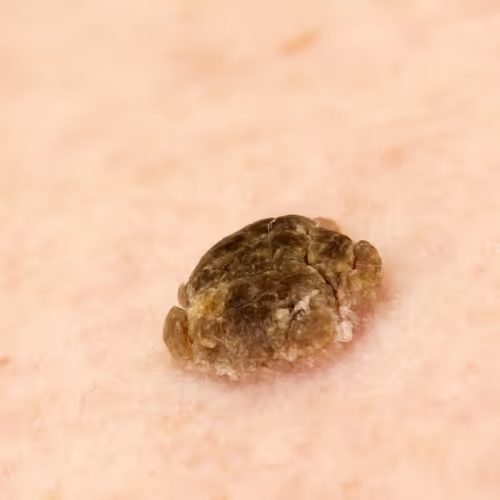
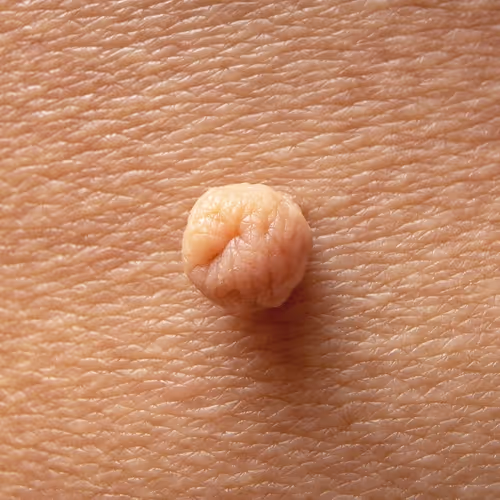
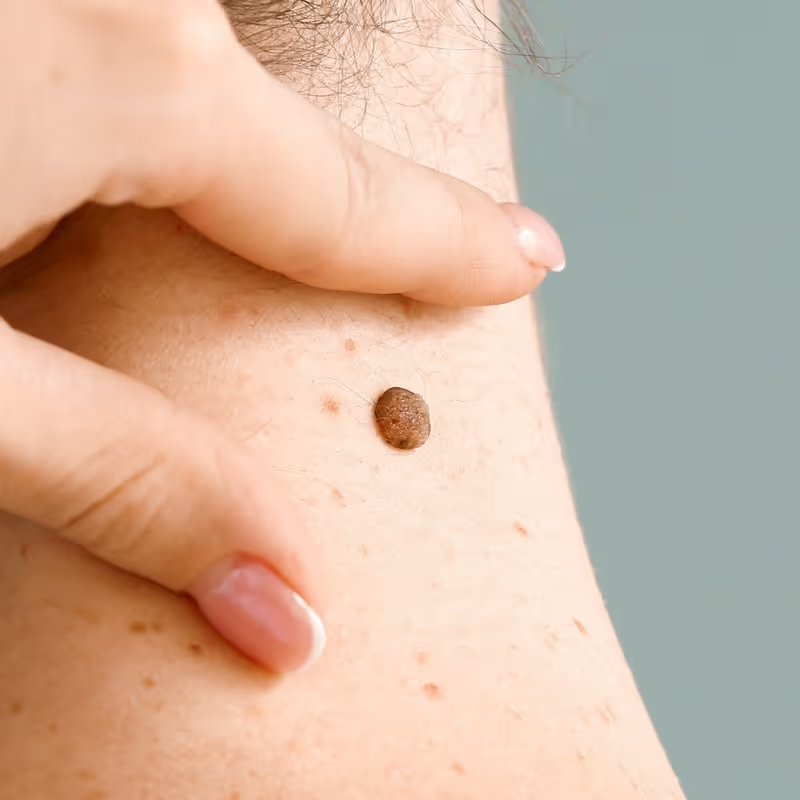
In Toronto, patients have several options for mole mapping and mole assessment. Some clinics offer full-body digital mole mapping with photography systems. Others offer dermatologist-led skin checks, dermoscopy-based mole assessment, virtual dermatology, or surgical consultation for a mole that may need biopsy or removal.
Mole mapping is a skin screening option used to photograph and monitor moles over time. It is often searched by patients who are worried about melanoma, changing moles, unusual skin spots, or a personal or family history of skin cancer.
At The Minor Surgery Center, patients can access dermoscopy-based full-body skin checks with GP Dermatologists where available, as well as focused surgical consultations for moles, lesions, or skin growths that may require biopsy, pathology, or removal.
If you are unsure whether you need mole mapping, a mole check, a biopsy, or mole removal, this guide explains the difference.
Book a consultation with TMSC or call (647) 614-1611.
What Is Mole Mapping?
Mole mapping usually refers to a skin imaging process where photos are taken of the body to create a visual record of moles and skin spots. At follow-up visits, those images can be compared to look for new or changing lesions.
Some mole mapping clinics use systems such as FotoFinder or other digital imaging platforms. These tools may combine total-body photography, close-up dermoscopic images, and software-assisted comparison over time.
Mole mapping is different from a regular mole check. A mole check may focus on one specific mole or a small number of spots. Mole mapping is usually broader and is often used for patients with many moles or a higher risk of skin cancer.
Mole Mapping vs Mole Check vs Mole Biopsy
Patients often use these terms interchangeably, but they are not the same.
OptionWhat it meansBest forMole mappingFull-body or broader skin imaging to track moles over timePatients with many moles, atypical moles, or higher melanoma riskMole checkA clinical assessment of one or more moles or skin lesionsA changing, irritated, bleeding, painful, or unusual moleDermoscopyA closer examination of a mole using a handheld deviceLooking at specific features that are not easy to see with the naked eyeMole biopsyRemoving a sample or full lesion for pathologyMoles that look medically concerningMole removalRemoving a mole for cosmetic, physical, or medical reasonsRaised moles, irritated moles, cosmetic concerns, or lesions needing excision
TMSC can help with mole checks in Toronto, suspicious mole assessment, mole biopsy, and mole removal when appropriate.
Does TMSC Offer Mole Mapping?
TMSC offers full-body skin checks with a dermatoscope through GP Dermatologists where available. TMSC also offers surgical consultations for specific moles or skin lesions that may require biopsy, pathology, excision, or removal.
TMSC should not be confused with a dedicated full-body digital mole mapping clinic unless formal mole mapping technology is specifically confirmed at the time of booking.
If you are looking for total-body digital mole mapping with baseline photography, ask whether that exact service is available before booking. If you are concerned about a specific mole, changing lesion, or skin growth that may need biopsy or removal, TMSC may be an appropriate option.
Mole Mapping Options in Toronto
There are several ways patients in Toronto can approach mole monitoring and skin cancer screening.
Dedicated Mole Mapping Clinics
Dedicated mole mapping clinics usually focus on full-body photography, digital mole tracking, dermoscopy images, and follow-up comparison. These clinics may be useful for patients with many moles, atypical moles, or a strong personal or family history of melanoma.
These services are commonly private-pay and may not be covered by OHIP.
Dermatology Clinics
Dermatology clinics may offer medical skin exams, dermoscopy, mole assessment, and in some cases mole mapping. Some require a referral, while private dermatology or cosmetic dermatology services may offer faster access at a private fee.
A dermatologist may be appropriate if you need diagnosis, ongoing skin monitoring, acne/eczema/psoriasis care, mole mapping, or complex medical dermatology.
GP Dermatologist Skin Checks
Some patients may be assessed by physicians with a focused practice in dermatology. At TMSC, full-body skin checks with dermatoscopy may be available through GP Dermatologists.
This can be helpful if you want a clinical skin check and guidance on whether a mole or lesion needs monitoring, biopsy, removal, or referral.
Surgical Mole or Skin Lesion Consultation
This is where TMSC is especially relevant. If you have a mole or lesion that has already been flagged, is bothering you cosmetically, is irritated, bleeding, painful, growing, or may need biopsy/removal, a surgical consultation may be the right next step.
TMSC’s surgical pathway can help with mole biopsy, pathology when medically appropriate, and removal of moles or skin lesions.
Is Mole Mapping Covered by OHIP in Toronto?
Mole mapping is generally a private-pay service in Ontario. Full-body photography, digital mole mapping, and advanced imaging are usually not OHIP-insured.
However, if a mole or skin lesion is medically concerning, biopsy, pathology, or treatment may follow a different pathway depending on the physician’s assessment, diagnosis, symptoms, and OHIP rules.
Cosmetic mole removal is generally private-pay. Medically necessary biopsy or removal may be covered when it meets appropriate criteria.
If you are unsure whether your concern is cosmetic or medical, the safest next step is to book an assessment.
How Much Does Mole Mapping Cost in Toronto?
Private mole mapping in Toronto commonly ranges from a few hundred dollars to higher private fees depending on the clinic, technology, appointment length, reporting, and follow-up.
Costs may vary depending on whether the service includes:
- full-body photography
- dermoscopy
- physician review
- written report
- follow-up comparison
- AI-assisted imaging
- biopsy or referral pathway
At TMSC, pricing depends on the type of assessment or procedure required. Cosmetic mole removal is private-pay, while medically necessary biopsy or removal may be handled differently depending on physician assessment.
For current pricing, visit TMSC Pricing or contact the clinic.
Who Should Consider Mole Mapping?
Mole mapping may be worth considering if you have:
- many moles
- atypical or irregular-looking moles
- a personal history of melanoma
- a family history of melanoma or skin cancer
- fair skin or a history of frequent sunburns
- tanning bed exposure
- new or changing moles
- difficulty monitoring your own moles
- a previous abnormal mole biopsy
If you have one specific mole or skin lesion that is changing, bleeding, painful, crusting, irritated, or not healing, you may not need full-body mole mapping first. You may need a focused mole assessment, biopsy discussion, or surgical opinion.
Warning Signs of a Concerning Mole
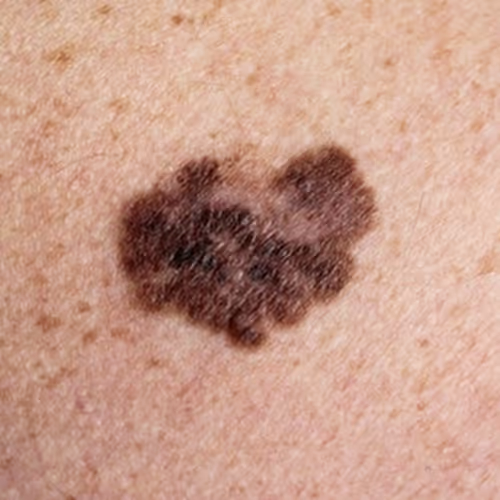
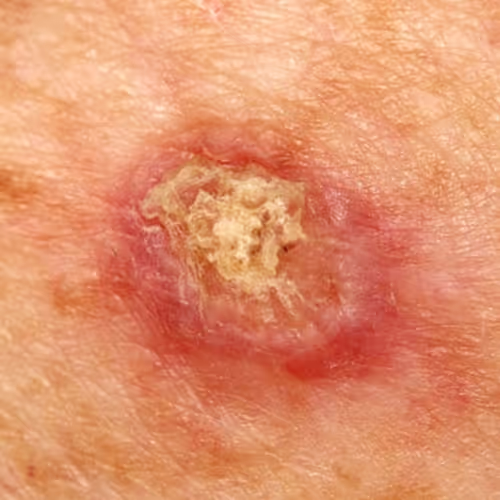
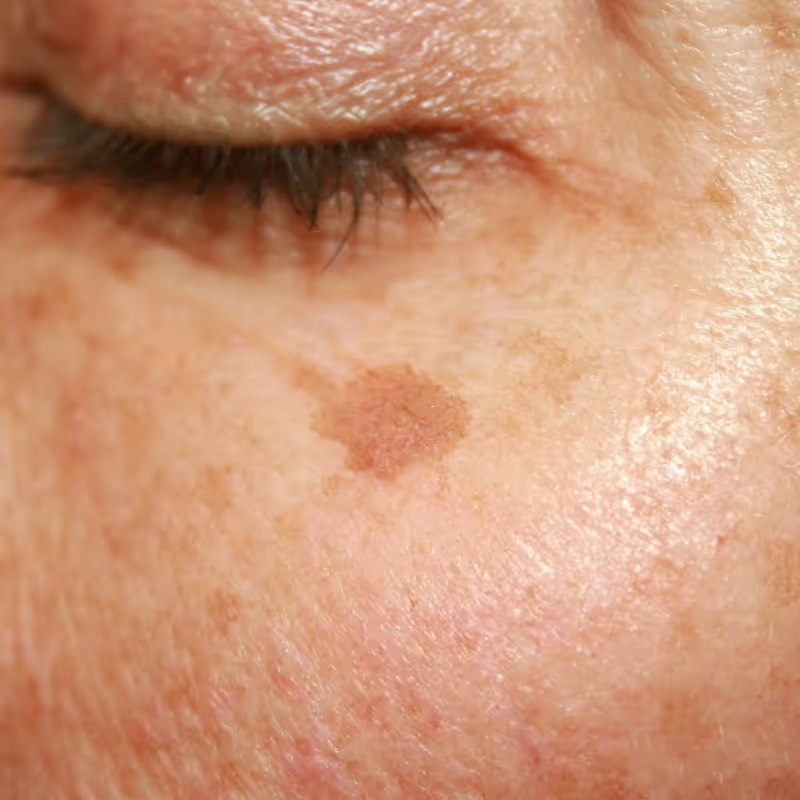
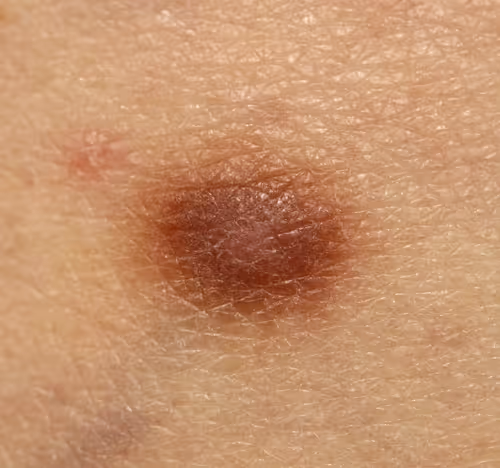
A mole or skin lesion should be assessed if it is changing, growing, bleeding, painful, crusting, itchy, irregular, or looks different from your other moles.
Common warning signs include:
- asymmetry
- irregular borders
- multiple colours
- darkening or changing colour
- diameter larger than about 6 mm
- evolution in size, shape, colour, or symptoms
- bleeding or crusting
- a sore that does not heal
- a new or unusual spot
Learn more about skin cancer screening in Toronto and suspicious mole assessment.
What Happens If a Mole Looks Suspicious?
If a mole or skin lesion looks suspicious, the next step may involve closer examination, dermoscopy, biopsy, pathology, surgical removal, or referral depending on the concern.
At TMSC, the pathway may include:
- Assessment of the mole or skin lesion
- Review of symptoms, changes, and history
- Discussion of whether removal or biopsy is appropriate
- Local anesthetic if a procedure is recommended
- Mole biopsy, shave removal, or excision depending on the case
- Pathology when medically appropriate
- Follow-up guidance based on the result
TMSC can also help with surgical management of appropriate basal cell carcinoma, squamous cell carcinoma, melanoma-related concerns, and other skin cancer-related lesions.
Mole Mapping Near York Mills, North York and Toronto
TMSC serves patients across Toronto and the GTA, including North York, York Mills, Etobicoke, Scarborough, Mississauga, Vaughan, Oakville, and surrounding communities.
Patients looking for mole mapping near York Mills or North York may be trying to answer one of three questions:
- Do I need full-body digital mole mapping?
- Do I need a dermoscopy-based skin check?
- Do I need a specific mole biopsied or removed?
TMSC can help with skin checks through GP Dermatologists where available and surgical consultation for specific moles or lesions that may require removal.
Relevant locations:
Which Option Is Right for You?
Patient needBest option to considerYou have many moles and want long-term photo trackingDedicated mole mapping clinicYou want a full-body skin check with dermoscopyGP Dermatologist or dermatology clinicYou have one changing or suspicious moleMole check or suspicious mole assessmentYou were told a mole may need biopsyMole biopsy consultationYou want a raised or irritating mole removedSurgical mole removal consultationYou have a confirmed or suspected skin cancerSkin cancer assessment/removal pathwayYou want cosmetic mole removalPrivate mole removal consultation
If you are unsure, start with an assessment. The physician can explain whether you need monitoring, mole mapping, biopsy, removal, or referral.
Book a Mole Check, Skin Check or Mole Removal Consultation
If you are concerned about a mole, skin lesion, changing spot, or possible skin cancer, The Minor Surgery Center can help you understand your next step.
TMSC offers dermoscopy-based full-body skin checks through GP Dermatologists where available, and surgical consultation for moles or lesions that may need biopsy, pathology, or removal.
Book a consultation or call (647) 614-1611.
Frequently Asked Questions
Is mole mapping the same as a mole check?
No. Mole mapping usually involves full-body or broader skin photography to track moles over time. A mole check is a clinical assessment of one or more specific moles or skin lesions.
Does TMSC offer mole mapping?
TMSC offers full-body skin checks with a dermatoscope through GP Dermatologists where available. TMSC also offers surgical consultations for specific moles or lesions that may need biopsy or removal. Formal digital mole mapping should be confirmed before booking if that is the exact service you want.
Is mole mapping covered by OHIP?
Mole mapping is generally not covered by OHIP in Ontario. It is usually a private-pay service. If a mole is medically concerning, biopsy or removal may follow a different coverage pathway depending on physician assessment.
How much does mole mapping cost in Toronto?
Pricing varies by clinic and technology. Full-body digital mole mapping is usually private-pay and may cost several hundred dollars or more depending on what is included.
Who should consider mole mapping?
Mole mapping may be useful for patients with many moles, atypical moles, a personal or family history of melanoma, significant sun exposure, tanning bed history, or difficulty tracking moles over time.
What if I only have one suspicious mole?
If you only have one mole or lesion that is changing, bleeding, painful, crusting, irritated, or unusual, you may need a focused mole check or biopsy discussion rather than full-body mole mapping.
Can TMSC remove a mole after a mole check?
If removal or biopsy is appropriate, TMSC may be able to discuss surgical options. The exact pathway depends on the physician’s assessment, the lesion, the reason for removal, and whether pathology is needed.
What is the difference between cosmetic mole removal and medical mole removal?
Cosmetic mole removal is usually done for appearance or irritation and is generally private-pay. Medical mole removal or biopsy may be recommended when there is concern about abnormal or cancerous change.
Which TMSC location should I book?
You can book through the main contact page and select the most appropriate clinic. TMSC has locations in Toronto/North York, York Mills, Mississauga, Vaughan, and Oakville.
Internal Links to Add From Other Pages
Add links into this new page from:
- Mole Check Toronto page
- Skin Cancer Screening Toronto page
- Suspicious Mole Assessment Toronto page
- Mole Biopsy Toronto page
- Mole Removal page
- Skin Cancer condition page
- Melanoma page
- Best Mole Check Clinics Toronto blog
- Best Skin Cancer Screening Toronto blog
- York Mills clinic page
- North York clinic page
- Homepage
Use anchor text like:
- mole mapping Toronto
- mole mapping vs mole check
- mole check Toronto
- dermoscopy-based skin check
- suspicious mole assessment
- mole biopsy Toronto
- skin cancer screening Toronto
Bottom line: this page can target mole mapping Toronto without overclaiming. It should educate the patient, compare options, and route the right patients into TMSC’s actual pathways: GP Dermatologist skin checks, suspicious mole assessment, biopsy, pathology, and mole removal.



%20Treatment.avif)