Mole Biopsy Toronto | Suspicious Mole Testing, Pathology & Removal
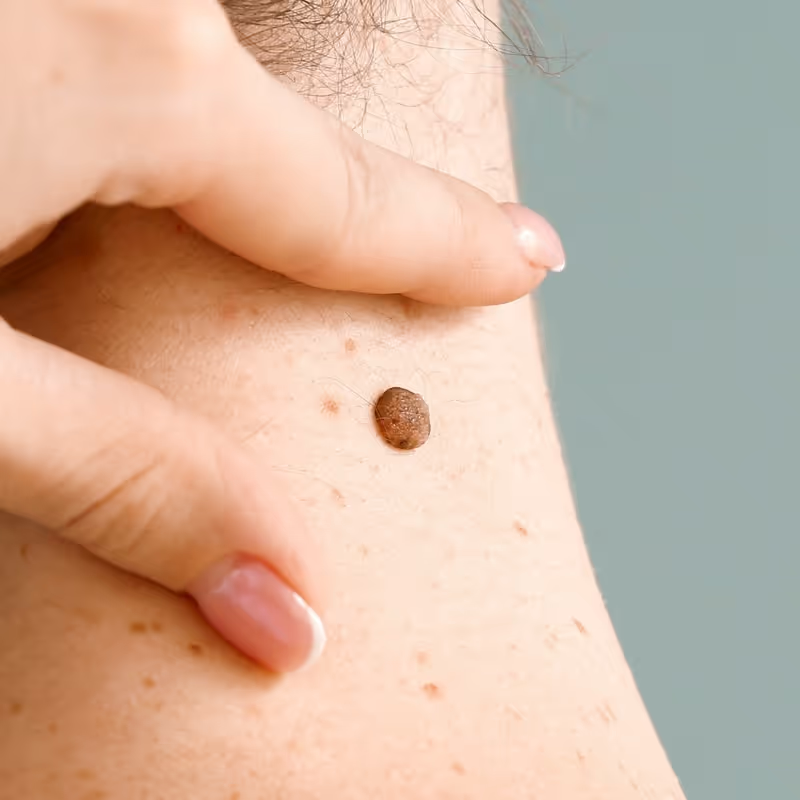
Concerned about a suspicious mole in Toronto? The Minor Surgery Center offers physician-led mole assessment, biopsy, and excision when medically appropriate. If a mole is changing, bleeding, irregular, painful, or looks different from your other moles, our team can assess it and explain whether monitoring, biopsy, removal, or referral is the right next step.
Mole Biopsy Toronto | Suspicious Mole Testing, Pathology & Removal
Last updated: June 17, 2026
Quick Answer: A mole biopsy in Toronto involves a physician removing a small tissue sample from a suspicious mole and sending it to a pathology lab to check for abnormal or cancerous cells. At The Minor Surgery Center, patients can book a physician-led mole assessment without a referral, and same-day biopsy or excision may be possible when medically appropriate. OHIP may cover the biopsy cost when a physician determines it is medically necessary.
Key Takeaways
A mole biopsy removes tissue from a suspicious mole so it can be tested for skin cancer or abnormal cells
Signs that a mole may need a biopsy include changes in size, colour, or shape, irregular borders, bleeding, crusting, or persistent itching
Three main biopsy techniques are used: shave biopsy, punch biopsy, and excisional biopsy, chosen based on the mole's characteristics
Same-day biopsy or excision may be available at The Minor Surgery Center when a physician determines it is medically appropriate
OHIP may cover a biopsy of a clinically suspicious mole ordered by a physician; cosmetic mole removal and routine mole mapping are generally not covered
No referral is required for a private assessment at The Minor Surgery Center
Pathology results in Ontario typically take one to two weeks, though timelines vary by lab
A mole biopsy is not the same as cosmetic mole removal; the purpose and clinical pathway are different
Patients do not always need a dermatologist for a mole biopsy; a qualified physician or surgeon experienced in skin lesion assessment can evaluate and act on a suspicious mole
The Minor Surgery Center has clinics in Toronto, Mississauga, Vaughan, and Oakville and treats over 15,000 patients per year
What Does a Mole Biopsy Actually Involve?
A mole biopsy is a minor medical procedure in which a physician removes all or part of a suspicious mole so the tissue can be examined under a microscope by a pathologist. The goal is to determine whether the cells are benign, atypical, pre-cancerous, or cancerous. [1]
The three main techniques used in clinical practice are:
Shave biopsy
A thin blade or razor tool is used to slice away the raised portion of the mole along with a thin layer of surrounding skin
Best suited for raised, superficial lesions
Does not typically require sutures
Leaves a shallow wound that heals within one to two weeks [4]
Punch biopsy
A circular cutting tool (punch) is pressed into the skin to remove the mole and a column of tissue beneath it
Used when the physician needs to sample deeper layers of skin
Usually requires one or two sutures [1]
Excisional biopsy
The entire mole is cut out along with a margin of surrounding skin, extending into the fatty tissue beneath
Used when the mole is large, deeply pigmented, or highly suspicious
Requires sutures and takes slightly longer to heal
In many cases, the biopsy and the complete removal happen in the same procedure [1]
The tissue sample is then placed in a specimen container and submitted to a pathology lab. A pathologist examines the cells and issues a report, which the treating physician uses to guide next steps.
Common mistake: Assuming a biopsy always means the whole mole is removed. With a shave or punch biopsy, only part of the mole may be removed. If results come back abnormal, a second procedure to remove the remaining tissue and clear margins may be needed.
What Are the Signs My Mole Needs a Biopsy?
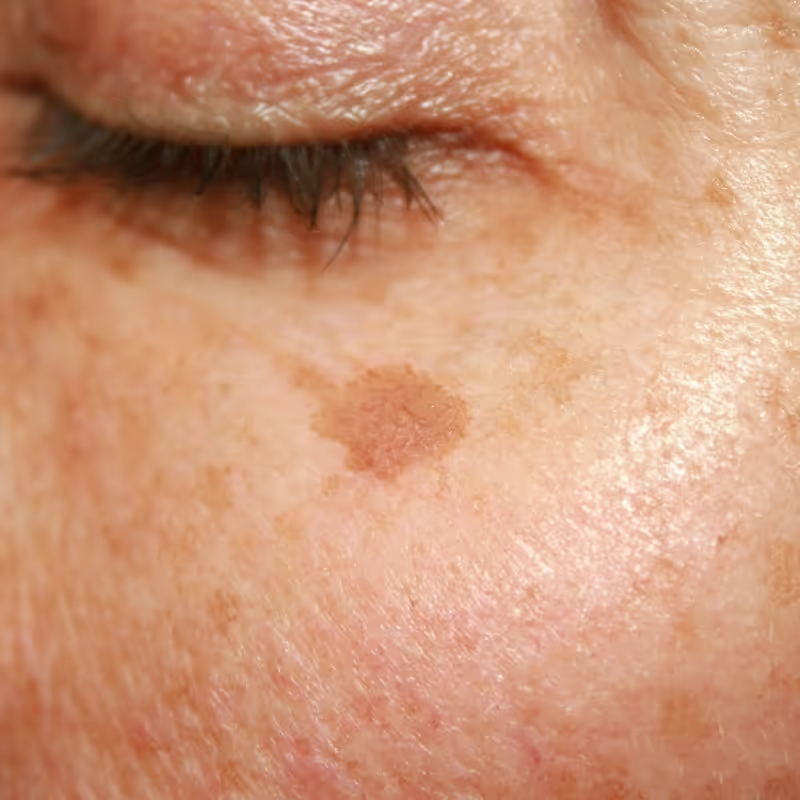
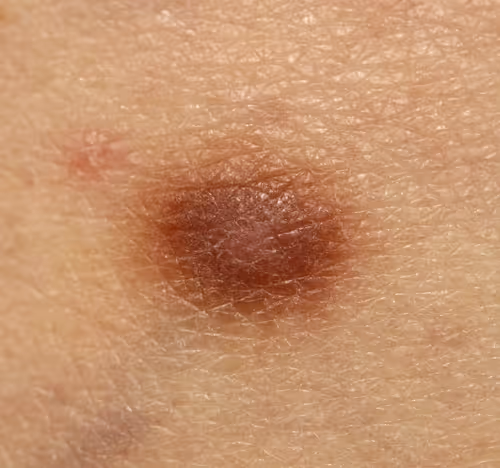
A mole may need a biopsy when it shows clinical features that suggest abnormal cell activity. Not every unusual-looking mole is cancerous, but certain changes are warning signs that warrant medical assessment rather than a watch-and-wait approach.
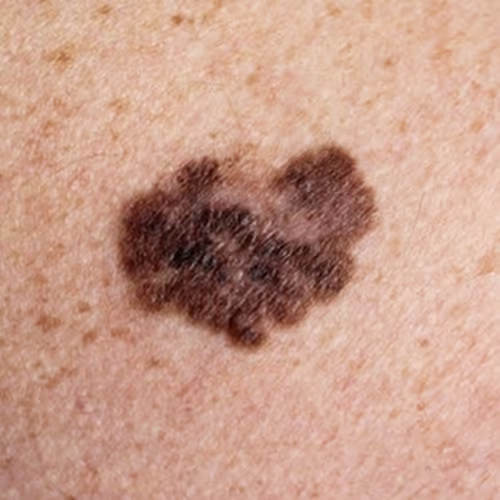
The widely used ABCDE framework helps identify suspicious moles [3]:
FeatureWhat to Look ForAsymmetryOne half does not match the otherBorderEdges are ragged, notched, or blurredColourMultiple shades of brown, black, red, white, or blueDiameterLarger than 6 mm (about the size of a pencil eraser)EvolvingAny change in size, shape, colour, or new symptoms
Beyond the ABCDE signs, book an assessment if a mole:
Bleeds without injury or trauma
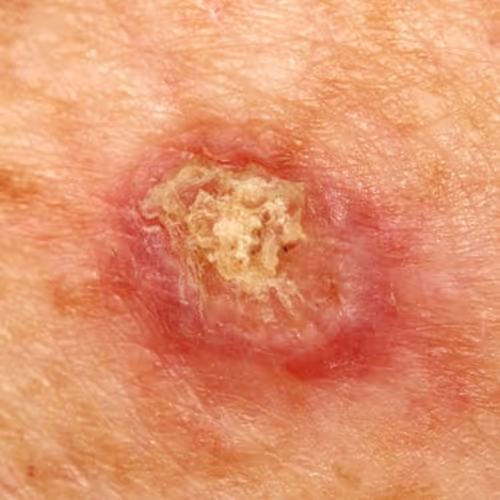
Crusts over and does not heal within a few weeks
Becomes painful or persistently itchy
Looks noticeably different from all your other moles (the "ugly duckling" sign)
Is new and appeared after age 40
Has a shiny, pearly, or waxy surface
Decision rule: If a mole has changed in any way over weeks or months, or if it simply looks different from the others on your body, that is enough reason to have it assessed. You do not need to wait for multiple warning signs.
Mole Biopsy vs Mole Removal: What Is the Difference?
These two procedures are related but serve different purposes, and understanding the difference helps patients ask the right questions at their appointment.
Mole biopsy:
Primary purpose is diagnostic: to test tissue for abnormal or cancerous cells
Usually ordered when there is medical concern about a mole's appearance or behaviour
The sample is sent to pathology
May involve partial or complete removal of the mole depending on the technique
May be covered by OHIP when medically indicated
Mole removal:
Primary purpose is to remove the mole from the skin
Can be cosmetic (patient dislikes the mole's appearance) or medically necessary
May or may not include pathology testing
Cosmetic removal is generally not covered by OHIP
Techniques include shave excision, punch excision, and surgical excision
The overlap: when a mole is excised as a biopsy, the biopsy and the removal happen simultaneously. In that case, the distinction is largely administrative. Where it matters is in OHIP coverage and in the clinical reasoning behind the procedure.
For patients considering cosmetic removal of a benign mole, the cosmetic mole removal guide covers what to expect, costs, and technique options. For a deeper explanation of what makes a mole benign, the benign mole explained article is a useful starting point.
How Quickly Can I Get a Mole Biopsy in Toronto?
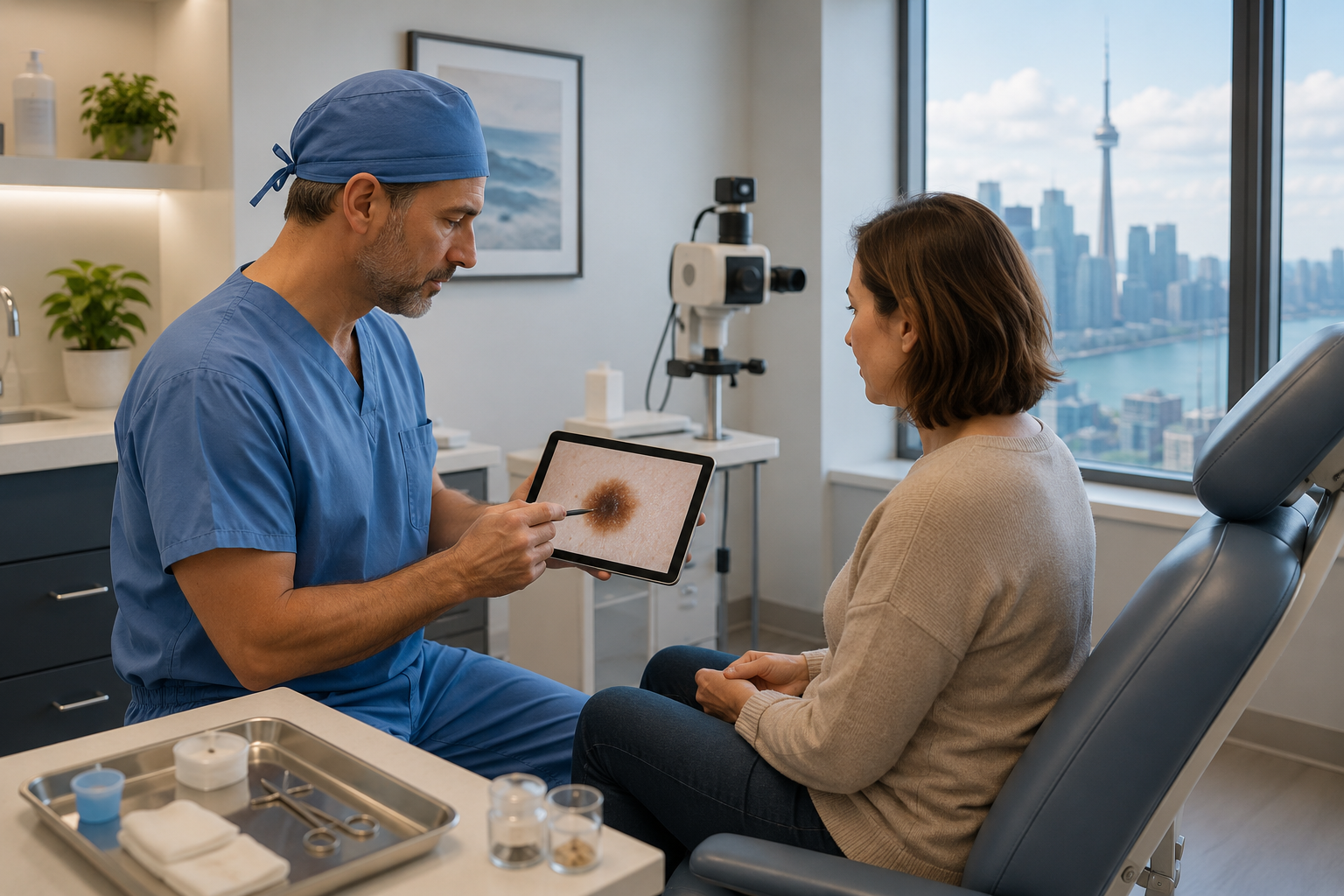
At The Minor Surgery Center, patients can typically book a mole assessment within days, not weeks. If the physician determines that biopsy or excision is medically appropriate during that appointment, it may be possible to proceed the same day. [1]
This is a meaningful difference from the typical pathway through the public system, where a family doctor referral to a dermatologist can take weeks to months depending on wait times.
Rapid-access options in Toronto in 2026:
The Minor Surgery Center: No referral required for private assessment; same-day biopsy or excision when medically indicated; locations in Toronto, Mississauga, Vaughan, and Oakville
Toronto Dermatology Centre: Offers mole mapping and physician-led assessment; wait times vary [3]
Family doctor: Can assess and biopsy moles in-office; referral to a specialist may be needed for complex cases
Hospital dermatology clinics: Covered by OHIP but typically have longer wait times
Edge case: Not every suspicious mole should be biopsied immediately. Some lesions benefit from a short monitoring period with dermoscopy, especially if they are small and the clinical picture is ambiguous. A qualified physician will advise on the right timing.
OHIP may cover a mole biopsy when a physician orders it as part of a medically necessary assessment of a suspicious lesion. The key word is "medically necessary": the physician must have a clinical reason to suspect the mole warrants investigation. [6]
What is generally covered by OHIP:
Biopsy of a clinically suspicious mole ordered by a physician
Excision of a lesion with documented medical concern
Follow-up consultations related to abnormal pathology results
What is generally not covered by OHIP:
Cosmetic mole removal (no medical concern)
Routine mole mapping or full-body photography
Private clinic assessment fees when no OHIP billing arrangement exists
Removal of moles purely for aesthetic reasons
What patients should do before booking:
Ask the clinic directly whether OHIP is billed for the assessment and procedure
Clarify whether the physician will document medical necessity
Understand that even if the biopsy is covered, there may be private fees for the clinic visit or pathology coordination
Common mistake: Assuming all mole-related procedures at a private clinic are automatically covered by OHIP. Coverage depends on the clinical indication, the physician's billing arrangement, and whether the procedure meets OHIP's criteria for medical necessity.
How Much Does a Mole Biopsy Cost in Toronto?
The cost of a mole biopsy in Toronto depends on whether OHIP covers the procedure, the clinic type, and the complexity of the case.
If OHIP covers the biopsy: The patient pays little to nothing for the biopsy itself, though there may be private fees for the initial consultation at a private clinic.
If paying privately: Costs vary by clinic and procedure type. Based on publicly available pricing from Toronto-area clinics, private mole removal and biopsy procedures generally range from approximately $150 to $600 or more depending on the size, location, and technique required. [2] [9]
Factors that affect cost:
Size and depth of the mole
Biopsy technique required (shave vs. punch vs. excision)
Whether pathology submission is included
Number of moles being assessed or removed in one visit
Clinic location and surgeon credentials
What is typically included in a private fee:
Physician assessment
Local anesthetic
The biopsy or excision procedure
Wound closure if needed
Post-procedure care instructions
Pathology lab fees may be billed separately or included depending on the clinic's arrangement. Patients should ask for a clear breakdown before proceeding. For a detailed look at mole removal pricing in 2026, the mole removal cost guide provides current estimates.
Am I a Good Candidate for a Mole Biopsy?
Most adults with a mole that shows warning signs or has changed recently are appropriate candidates for a biopsy assessment. There is no strict age limit, and patients do not need a prior diagnosis to book an assessment.
You are likely a good candidate if:
A mole has changed in size, shape, or colour in recent months
A mole bleeds, crusts, or does not heal
A mole is painful, itchy, or feels different from before
A mole looks different from all your other moles
You have a personal or family history of melanoma or skin cancer
A family doctor or other physician has flagged a mole for further assessment
You have fair skin, a history of significant sun exposure, or many moles
You may not need an urgent biopsy if:
The mole has been stable for years and shows no ABCDE features
A physician has already assessed it recently and found no concern
The mole is a known benign lesion such as a seborrheic keratosis (though these should still be confirmed by a physician)
Edge case: Patients on blood thinners or with bleeding disorders can still have a mole biopsy, but the physician needs to know about these conditions before the procedure to plan appropriately.
Patients with a history of melanoma should also review the melanoma surgery and treatment page for information on surveillance and follow-up care.
How Painful Is a Mole Biopsy Procedure?
A mole biopsy is performed under local anesthetic, so the procedure itself is not painful. Most patients report that the injection of local anesthetic causes a brief stinging or burning sensation, and after that the area is numb. [6]
What to expect during the procedure:
A small amount of local anesthetic (typically lidocaine) is injected around the mole
The area becomes numb within one to two minutes
The physician performs the biopsy; patients may feel pressure or movement but not pain
The wound is cleaned and dressed; sutures may be placed if needed
The entire procedure typically takes 15 to 30 minutes depending on the technique [4]
After the anesthetic wears off:
Mild soreness, tenderness, or a dull ache is common for one to three days
Over-the-counter pain relief (acetaminophen or ibuprofen) is usually sufficient
Significant or worsening pain after 48 hours should prompt a call to the clinic
Common concern: Many patients worry a facial mole biopsy will be more painful or leave a worse scar. The face has excellent blood supply and tends to heal well. A skilled surgeon will choose the technique and suture method that minimizes scarring for the location.
How Long Does a Mole Biopsy Take, and How Long Do Results Take?
The biopsy procedure itself is brief. Most mole biopsies take between 15 and 30 minutes from preparation to dressing, including the time for local anesthetic to take effect. [4] [6]
Pathology results timeline in Ontario:
Pathology results for a mole biopsy in Ontario typically take one to two weeks from the date the specimen is submitted to the lab. Some labs may return results faster; complex or unusual specimens may take longer. For a detailed breakdown of what affects turnaround times, see the guide on how long it takes to get biopsy results in Ontario.
Timeline summary:
StageTypical DurationAssessment appointment20-40 minutesBiopsy procedure15-30 minutesPathology processing1-2 weeksPhysician review and patient notification1-3 business days after results arriveFollow-up appointment if neededBooked after results are reviewed
What to do while waiting for results: Keep the wound clean and dry as instructed, avoid picking at the site, and watch for signs of infection (increasing redness, swelling, warmth, or discharge). Contact the clinic if any of these develop.
How Do I Prepare for a Mole Biopsy Appointment?
Preparation for a mole biopsy is straightforward. No fasting is required, and the procedure is done under local anesthetic, so patients can drive themselves home in most cases. [6]
Before the appointment:
Note when the mole first appeared or when you noticed a change
Take photos of the mole over time if you have them; this helps the physician assess change
List any medications you take, especially blood thinners (warfarin, aspirin, clopidogrel) or supplements that affect bleeding
Tell the clinic if you have a history of keloid scarring, allergies to local anesthetics, or bleeding disorders
Wear clothing that gives easy access to the mole's location
On the day:
Eat and drink normally beforehand
Avoid applying creams, makeup, or lotions to the area being biopsied
Arrange for someone to accompany you if you feel anxious, though it is not medically required
Plan for the appointment to take up to one hour including preparation and aftercare instructions
After the procedure:
Keep the wound covered and dry for 24 to 48 hours as instructed
Avoid strenuous exercise or activities that stretch the skin near the biopsy site for several days
Follow up as directed to receive results and discuss next steps
What Happens If My Mole Biopsy Results Are Abnormal?
If the pathology report shows abnormal cells, the next steps depend on what type of abnormality was found and whether the biopsy removed the lesion completely. [1]
Possible pathology findings and what they mean:
Mildly atypical (dysplastic) mole:
Cells show some abnormal features but are not cancerous
If margins are clear, monitoring may be all that is needed
If margins are not clear, a second excision to remove remaining tissue is often recommended
Moderately or severely atypical mole:
Higher risk of progression; re-excision with wider margins is typically recommended
If results are benign: No further treatment is needed for the mole itself. The physician may recommend routine skin checks depending on your overall risk profile.
Are There Alternative Ways to Check Suspicious Moles?
Dermoscopy and mole mapping are the main non-biopsy tools used to assess suspicious moles. These methods can reduce the number of unnecessary biopsies by giving physicians a more detailed view of a mole's structure before deciding whether to remove it. [3] [5]
Dermoscopy:
A handheld device (dermatoscope) magnifies the mole 10 to 20 times
Allows the physician to see patterns in pigment, blood vessels, and structure not visible to the naked eye
Does not remove tissue; it is an assessment tool only
Can help distinguish benign moles from suspicious ones
Total body mole mapping / FotoFinder imaging:
Full-body photographs are taken and stored
Follow-up images are compared to detect changes over time
Useful for patients with many moles or a high personal risk of melanoma
Does not replace biopsy when a mole is clinically suspicious
Mole check apps:
AI-based apps can flag moles for further review, but they are not a substitute for physician assessment
No app can perform a biopsy or provide a diagnosis
The bottom line: Dermoscopy and mole mapping are valuable screening and monitoring tools, but they cannot replace a biopsy when a mole shows features that require tissue diagnosis. The right approach is often a combination: dermoscopy to assess, biopsy when indicated.
A mole biopsy is a low-risk minor procedure, but like any skin procedure, it carries a small set of possible complications. [1] [6]
Common and expected:
Mild soreness and tenderness for a few days
Small scar at the biopsy site (size and visibility depend on technique and location)
Temporary redness or bruising around the wound
Uncommon but possible:
Infection (signs include increasing redness, warmth, swelling, or pus; treated with antibiotics if it occurs)
Bleeding during or after the procedure (more likely in patients on blood thinners)
Wound opening (dehiscence) if the site is stretched or not cared for properly
Hypertrophic scar or keloid formation, particularly in patients with a history of keloid scarring
Rare:
Allergic reaction to local anesthetic (very uncommon with lidocaine)
Nerve sensitivity changes near the biopsy site
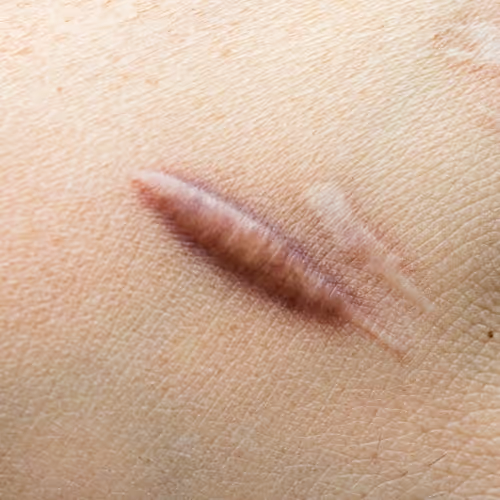
Scarring note: All biopsy techniques leave some degree of scarring. Excisional biopsies leave a linear scar. Shave biopsies leave a flat, round mark. Punch biopsies leave a small circular scar. A skilled surgeon minimizes scarring by choosing the right technique, placing incisions along natural skin lines, and using appropriate suture technique.
Do I Need a Dermatologist for a Mole Biopsy in Toronto?
No, not always. A dermatologist is appropriate for complex cases, patients with many atypical moles, or those requiring ongoing full-body surveillance. However, a qualified physician or surgeon with experience in skin lesion assessment can evaluate a suspicious mole and perform a biopsy or excision when indicated. [5]
When a dermatologist is the right choice:
You have a large number of atypical moles requiring systematic monitoring
You have a personal or strong family history of melanoma
A previous biopsy returned a complex or ambiguous result requiring specialist interpretation
You need ongoing FotoFinder-based total body mole mapping
When a minor surgery clinic is appropriate:
You have one or a few moles that have changed or concern you
You want rapid access without a referral
You need assessment plus biopsy or excision in one visit
You prefer a surgeon-led approach for the procedural component
The practical reality in Toronto in 2026: Dermatologist wait times through the public system can stretch to several months. For patients with a mole that has recently changed, waiting that long is not always appropriate. A minor surgery clinic with physician-led assessment offers a faster pathway to diagnosis and treatment.
Why Choose The Minor Surgery Center for Mole Biopsy in Toronto?
The Minor Surgery Center offers a clear, direct pathway from mole concern to biopsy and pathology, without the delays of a specialist referral. The clinic's positioning is practical: if a mole needs action, patients can have it assessed and managed in one place.
Key reasons patients choose TMSC for mole biopsy in Toronto:
No referral required for a private physician assessment
Rapid-access appointments with shorter wait times than the public system
Same-day biopsy or excision when the physician determines it is medically appropriate
Board-certified plastic surgeons and general surgeons with experience in skin lesion assessment and excision
Pathology submission when indicated, with results follow-up
Multiple locations: Toronto, Mississauga, Vaughan, and Oakville
Over 15,000 patients treated per year across the clinic network
Full treatment pathway: from assessment through biopsy, excision, and referral for melanoma or complex skin cancer cases when needed
For patients who need melanoma surgery or treatment for basal cell or squamous cell carcinoma following a positive biopsy, TMSC manages the next steps or coordinates referral as appropriate.
Frequently Asked Questions About Mole Biopsy in Toronto
Where can I get a mole biopsy in Toronto? The Minor Surgery Center offers physician-led mole biopsy at clinics in Toronto, Mississauga, Vaughan, and Oakville. No referral is required for a private assessment. Family doctors and dermatologists can also perform or order biopsies.
Do I need a referral for a mole biopsy? Not at a private clinic like The Minor Surgery Center. A referral is typically required to see a dermatologist through the public system, but private minor surgery clinics accept patients directly.
Is a mole biopsy covered by OHIP? A biopsy of a clinically suspicious mole may be covered by OHIP when ordered by a physician as part of a medically necessary assessment. Cosmetic mole removal and routine mole mapping are generally not covered. Confirm with the clinic before booking.
How do I know if my mole needs a biopsy? Use the ABCDE framework: asymmetry, irregular borders, multiple colours, diameter over 6 mm, and any evolving features. Also watch for bleeding, crusting, pain, or a mole that looks different from the others. When in doubt, have it assessed by a physician.
Can a mole biopsy be done the same day as the assessment? In some cases, yes. At The Minor Surgery Center, if the physician determines biopsy or excision is medically appropriate during the assessment, it may proceed the same day. Not every mole warrants immediate removal.
Does a mole biopsy hurt? The procedure is done under local anesthetic. The injection causes brief stinging; after that the area is numb and the biopsy is not painful. Mild soreness for one to three days afterward is normal.
How long does a mole biopsy take? The procedure itself takes 15 to 30 minutes. Pathology results in Ontario typically take one to two weeks.
How long do mole biopsy results take? Most pathology results from Ontario labs return within one to two weeks. Complex specimens may take longer. Your physician will contact you when results are available.
What happens if my mole biopsy is positive? The next steps depend on the finding. Atypical moles may need re-excision with wider margins. Melanoma requires wide local excision and possibly oncology referral. Basal cell or squamous cell carcinoma requires excision with clear margins. Your physician will explain the specific plan based on the pathology report.
What happens if my mole biopsy is benign? No further treatment is needed for that mole. Your physician may recommend routine skin monitoring depending on your overall risk profile.
Can a mole biopsy remove the whole mole? Yes. An excisional biopsy removes the entire mole plus a margin of surrounding tissue. Shave and punch biopsies may remove only part of the mole; if results are abnormal, a second procedure may be needed to clear margins.
What is the difference between a shave biopsy, punch biopsy, and excision? A shave biopsy slices off a raised mole superficially. A punch biopsy uses a circular tool to remove the mole and a core of deeper tissue. An excision cuts around and beneath the entire mole with a margin. The technique is chosen based on the mole's size, depth, and clinical features.
Will a mole biopsy leave a scar? All biopsy techniques leave some degree of scarring. The size and visibility of the scar depend on the technique, the mole's location, and the patient's skin healing. A skilled surgeon minimizes scarring through technique and suture choice.
Can a family doctor biopsy a mole? Yes. Family doctors can assess and biopsy moles in-office. For complex lesions or cases requiring excision with precise margins, referral to a surgeon or dermatologist may be more appropriate.
Should I see a dermatologist or a minor surgery clinic? A minor surgery clinic is appropriate for rapid assessment and biopsy of one or a few suspicious moles. A dermatologist is better suited for patients with many atypical moles, complex surveillance needs, or a strong personal history of melanoma.
Can a bleeding mole be biopsied? Yes. A mole that bleeds without injury is a warning sign that warrants assessment, and biopsy is often appropriate. The physician will assess the lesion and determine the best approach.
Can a mole on the face be biopsied? Yes. Facial moles can be biopsied safely under local anesthetic. The face heals well due to its blood supply. A surgeon will choose the technique that minimizes visible scarring.
Can a mole biopsy detect melanoma? Yes. Pathology examination of biopsy tissue can confirm or rule out melanoma, including the type (in situ vs. invasive) and depth (Breslow thickness), which guides treatment planning.
What should I do while waiting for biopsy results? Keep the wound clean and follow aftercare instructions. Avoid picking at the site. Watch for signs of infection. Try to avoid excessive sun exposure to the area. Contact the clinic if the wound shows signs of infection or if you have concerns.
Conclusion
A suspicious mole deserves prompt, qualified attention. In Toronto in 2026, patients do not need to wait months for a dermatology referral to get answers. A physician-led mole assessment at The Minor Surgery Center can happen quickly, and if biopsy or excision is medically appropriate, it may be possible the same day.
Actionable next steps:
Assess your mole now using the ABCDE framework. If it meets any criteria, or if it has changed recently, book an assessment.
Book without a referral at The Minor Surgery Center. Locations in Toronto, Mississauga, Vaughan, and Oakville are accessible across the GTA.
Ask about OHIP coverage at the time of booking. A biopsy of a clinically suspicious mole may be covered when ordered by a physician.
Bring documentation to your appointment: photos of the mole over time, a list of medications, and notes on when you first noticed a change.
Follow up on results. Pathology results take one to two weeks. If you do not hear back within that window, contact the clinic.
Early detection remains the single most important factor in skin cancer outcomes. A mole biopsy is a minor procedure with a major potential impact. Do not delay an assessment because the process seems complicated; it does not have to be.
Meta Title: Mole Biopsy Toronto | Suspicious Mole Testing & Removal
Meta Description: Get a physician-led mole biopsy in Toronto with no referral needed. Learn about costs, OHIP coverage, same-day biopsy options, and what to expect from results.
Promote healthy skin and limit the spread of disease through targeted removal procedures.
Book a Free Consultation
You can book your free consultation with The Minor Surgery Center in three easy ways: online through Cortico, by phone, or by requesting a callback from our team.
The initial consultation is free. During this consultation, one of our board certified surgeons will examine your condition and recommend a suitable solution.
Directly Online
Request a Callback
By Phone
By Text
Hours
Sunday
Closed
Monday
9 am — 4 pm
Tuesday
9 am — 4 pm
Wednesday
9 am — 4 pm
Thursday
9 am — 4 pm
Friday
9 am — 4 pm
Saturday
Toronto & Oakville Open Vaughan & Mississauga Closed




%20Treatment.avif)