
When you notice yellowish patches forming near the inner corners of your eyes, it's natural to feel concerned. Those soft, raised deposits—called xanthelasma—aren't painful, but they can affect how you feel about your appearance and may signal underlying health concerns.
If you're searching for "xanthelasma removal near me," you're taking the first step toward clearer skin and renewed confidence. But here's the thing: not all clinics are created equal. Choosing the right facility for your treatment can mean the difference between excellent results and disappointing outcomes.
This comprehensive guide walks you through everything you need to know about selecting a qualified clinic for xanthelasma removal. You'll learn what to look for, which questions to ask, and how to ensure you receive safe, effective treatment from experienced professionals who genuinely care about your results.
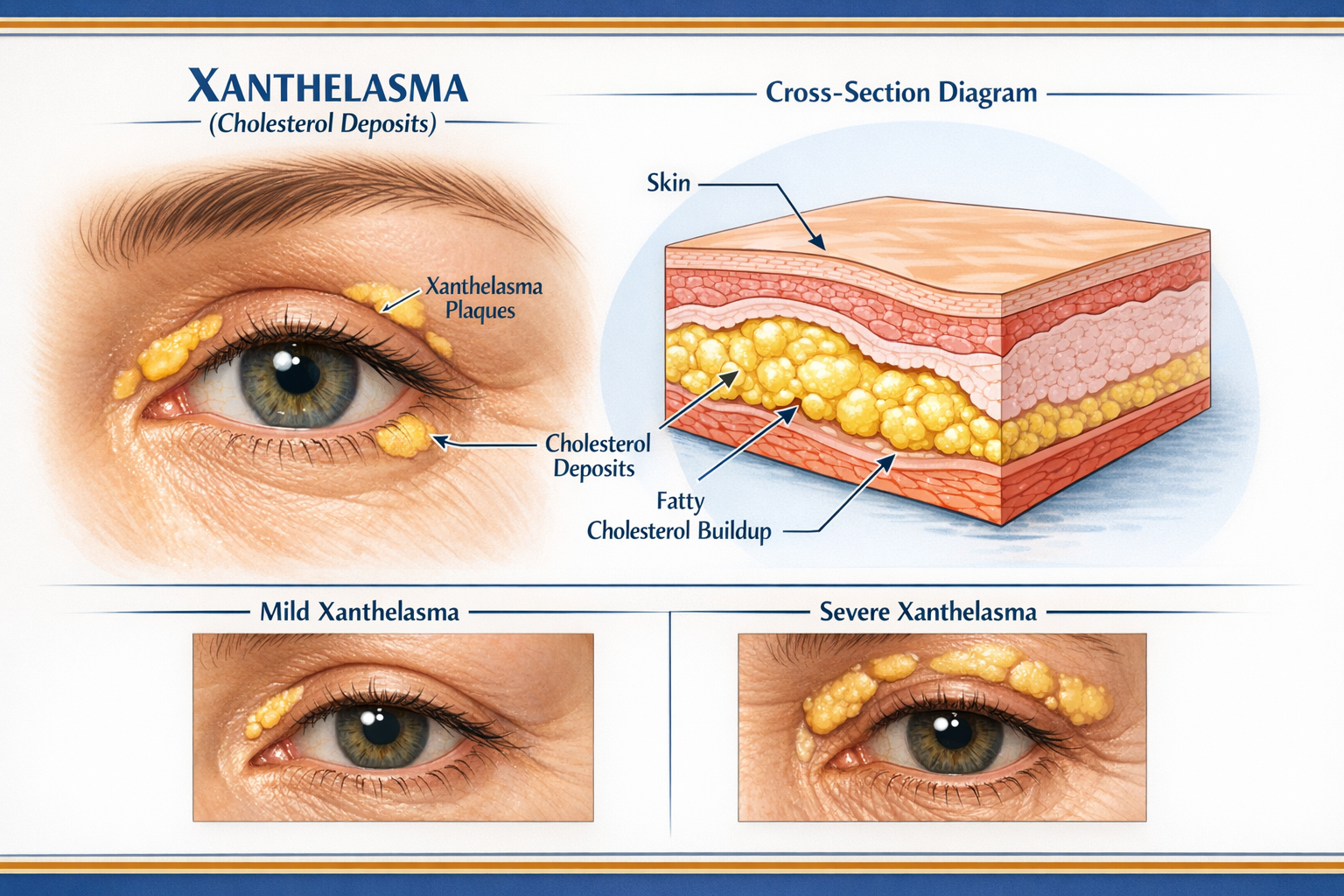
Before you start searching for "xanthelasma removal near me," it helps to understand exactly what these deposits are and why they appear.
Xanthelasma (pronounced zan-thuh-LAZ-muh) are soft, yellowish plaques that develop on or around your eyelids. They typically appear near the inner corner of your eye, though they can spread across the entire eyelid over time.
These deposits consist of cholesterol and other lipids (fats) that accumulate beneath your skin. Think of them like small pockets where your body has stored excess cholesterol—visible reminders of what's happening beneath the surface.
Key characteristics include:
Xanthelasma can develop for several reasons, and understanding the cause helps guide both treatment and prevention [1].
Common causes include:
✅ High cholesterol levels (hyperlipidemia)—the most frequent culprit
✅ High triglycerides in your bloodstream
✅ Genetic predisposition (familial hypercholesterolemia)
✅ Liver conditions affecting lipid metabolism
✅ Diabetes and metabolic syndrome
Interestingly, about half of people with xanthelasma have normal cholesterol levels [2]. This means the deposits can appear even when your blood work looks fine—they're not always a direct reflection of your overall cholesterol.
Here's the reassuring news: xanthelasma themselves are completely harmless. They won't damage your vision, cause pain, or spread to other parts of your body.
However, they can serve as a visible marker for underlying health issues. Studies show that people with xanthelasma have a higher risk of heart disease and cardiovascular events [3]. That's why many doctors recommend a full lipid panel and cardiovascular assessment when these deposits appear.
Think of xanthelasma as your body's early warning system—a gentle nudge to check in with your overall health while addressing the cosmetic concern.
Most people pursue xanthelasma removal for cosmetic reasons. These deposits can make you look older or tired, and they tend to grow larger over time if left untreated.
Common motivations for removal:
The good news? Xanthelasma removal is a straightforward outpatient procedure when performed by skilled professionals. The key is finding the right clinic with the expertise to deliver safe, effective results.
When you search for "xanthelasma removal near me," you'll likely find dozens of options—from medical spas to dermatology clinics to surgical centers. But not all providers have equal experience or qualifications for this delicate procedure.
Your eyelids are among the most sensitive and visible areas of your body. The skin here is incredibly thin—about 0.5mm compared to 2mm on most of your face [4]. This means even minor mistakes can result in noticeable scarring, asymmetry, or complications.
Why expertise matters:
🔬 Anatomical complexity: The eyelid contains multiple layers, delicate blood vessels, and sits millimeters from your eye
🔬 Cosmetic visibility: Any scarring or irregularity is immediately noticeable
🔬 Functional importance: Poor technique can affect eyelid movement or eye protection
🔬 Recurrence risk: Improper removal increases the chance xanthelasma will return
Think of it like this: you wouldn't trust just anyone to work on your car's engine. Similarly, you want a specialist with specific training and experience for procedures near your eyes.
Choosing the wrong clinic can lead to disappointing or even harmful outcomes.
Potential complications include:
⚠️ Visible scarring that's worse than the original deposits
⚠️ Hyperpigmentation (darkened skin) or hypopigmentation (lightened patches)
⚠️ Incomplete removal requiring additional procedures
⚠️ Rapid recurrence within weeks or months
⚠️ Ectropion (eyelid turning outward) from excessive tissue removal
⚠️ Infection from poor sterile technique
⚠️ Asymmetry between eyes
These aren't just theoretical risks—they're real outcomes that happen when patients prioritize convenience or cost over expertise.
Dedicated surgical centers like The Minor Surgery Center offer distinct advantages over general practitioners or medical spas.
Benefits of specialized facilities:
✨ Focused expertise: Surgeons who regularly perform eyelid procedures
✨ Advanced technology: Access to multiple treatment modalities (laser, surgical, chemical)
✨ Proper surgical environment: Sterile operating rooms designed for precision work
✨ Comprehensive assessment: Evaluation of underlying health factors
✨ Personalized treatment plans: Tailored approaches based on your specific case
✨ Follow-up care: Ongoing monitoring to prevent recurrence
At specialized centers, you're not just another appointment—you're a patient receiving expert outpatient care from professionals who understand the nuances of xanthelasma removal.
The difference between an experienced clinic and a general provider shows up in your results. Skilled surgeons achieve:
When you invest time in choosing the right clinic, you're investing in results that last—and a treatment experience that prioritizes your comfort and safety from start to finish.
Now that you understand why clinic selection matters, let's dive into the specific factors that separate exceptional providers from the rest.
This is your most important consideration. The person performing your xanthelasma removal should have specific training and credentials.
Essential qualifications to verify:
📋 Board certification in dermatology, ophthalmology, or plastic surgery
📋 Specialized training in oculoplastic or dermatologic surgery
📋 Active medical license in good standing
📋 Hospital privileges (indicates peer review and quality standards)
📋 Years of experience specifically with xanthelasma and eyelid procedures
📋 Continuing education in latest techniques and technologies
Don't hesitate to ask about credentials directly. Reputable clinics proudly share their surgeons' qualifications and training background.
Red flags to watch for:
🚩 Vague descriptions of "trained professionals" without specific credentials
🚩 Procedures performed by aestheticians or non-physician staff
🚩 Reluctance to share surgeon qualifications
🚩 No visible credentials or certifications displayed
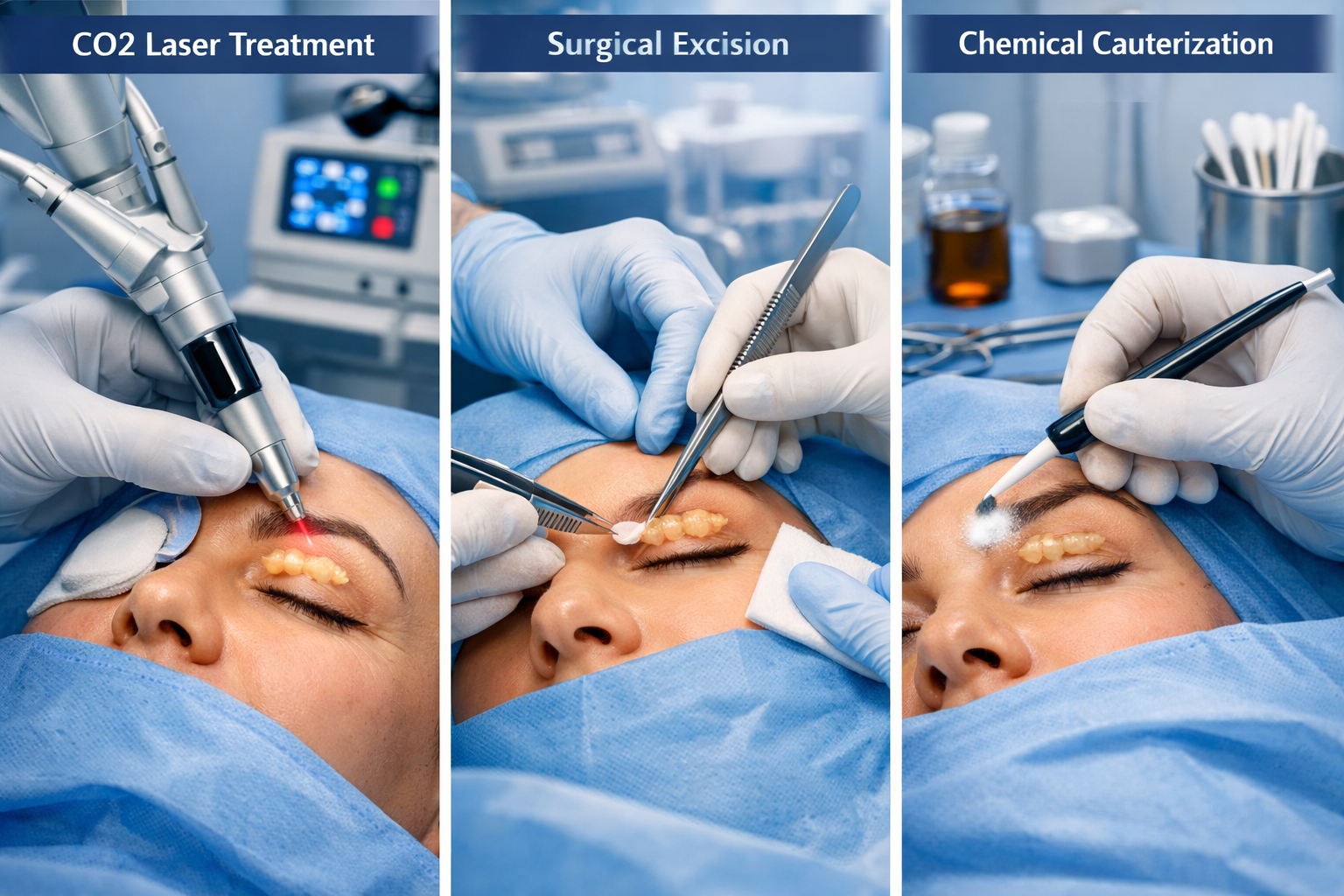
Xanthelasma removal isn't one-size-fits-all. Different cases respond better to different approaches, and the best clinics offer multiple treatment modalities.
Treatment options to look for:
Surgical Excision
CO2 Laser Treatment
Chemical Cauterization
Radiofrequency Ablation
A clinic that offers multiple approaches can create a personalized treatment plan tailored to your specific situation—rather than forcing every patient into the same protocol.
Modern, well-maintained equipment significantly impacts your safety and results.
What to look for:
🔧 State-of-the-art laser systems (if offering laser treatment)
🔧 Proper surgical instruments designed for delicate eyelid work
🔧 Magnification equipment (loupes or microscopes) for precision
🔧 Sterile, dedicated procedure rooms meeting surgical standards
🔧 Emergency equipment and protocols for patient safety
When you visit for a consultation, observe the facility. Does it look clean, organized, and professional? Are equipment and technology modern? These visible cues reflect the clinic's commitment to quality care.
Experienced clinics maintain extensive portfolios of actual patient results. These photos tell you more than any marketing copy ever could.
What to evaluate in photo galleries:
👁️ Volume of cases: Dozens of examples indicate regular experience
👁️ Variety of cases: Different sizes, locations, and severities
👁️ Quality of results: Minimal scarring, natural appearance
👁️ Honest documentation: Including challenging cases, not just "perfect" outcomes
👁️ Long-term follow-up: Photos showing results months or years later
Be wary of clinics that can't or won't show you actual patient results. Stock photos or borrowed images don't demonstrate real expertise.
Real patient experiences provide invaluable insight into what you can expect.
Where to find authentic reviews:
⭐ Google Business reviews
⭐ Healthcare-specific platforms (RateMDs, Healthgrades)
⭐ Social media pages and comments
⭐ Word-of-mouth recommendations from trusted sources
What to look for in reviews:
Remember: no clinic has 100% perfect reviews. Look for patterns in feedback and how the practice responds to concerns.
The consultation experience reveals a lot about how the clinic operates.
Signs of a quality consultation:
✅ Thorough assessment of your xanthelasma and medical history
✅ Discussion of underlying causes and health screening recommendations
✅ Clear explanation of treatment options, risks, and benefits
✅ Realistic expectations about results and potential recurrence
✅ Opportunity to ask questions without feeling rushed
✅ Transparent pricing with written estimates
✅ No pressure tactics or same-day procedure pushing
The consultation should feel like a partnership. You're working together to develop a treatment plan that addresses your concerns while prioritizing safety and realistic outcomes.
While you shouldn't choose a clinic based solely on proximity, practical considerations matter.
Practical factors to consider:
📍 Reasonable travel distance for initial procedure and follow-up visits
📍 Parking availability or public transit access
📍 Appointment flexibility that works with your schedule
📍 Multiple locations if you need options (like Ajax or Barrie locations)
That said, it's worth traveling a bit farther for significantly better expertise. Think of it this way: you're making a one-time investment in a procedure that affects your appearance for years to come.
Xanthelasma removal is typically considered cosmetic, meaning most insurance plans won't cover it. Understanding costs upfront prevents surprises.
Financial considerations:
💰 Clear, itemized pricing for the procedure
💰 What's included: Consultation, procedure, follow-up visits, touch-ups
💰 Payment options: Payment plans or financing if needed
💰 Value vs. price: Lowest cost doesn't equal best value
Be cautious of prices that seem too good to be true—they usually are. Quality surgical care requires proper training, equipment, and time. Bargain pricing often means compromises in one or more of these areas.
Your relationship with the clinic shouldn't end when you walk out after the procedure.
Important aftercare elements:
🏥 Clear post-procedure instructions (written and verbal)
🏥 Scheduled follow-up appointments to monitor healing
🏥 Accessible staff for questions or concerns during recovery
🏥 Long-term monitoring for recurrence prevention
🏥 Touch-up policies if needed
Clinics committed to getting you back to your life provide comprehensive support throughout your healing journey—not just during the billable procedure time.
Armed with knowledge about what to look for, here are specific questions to ask when you meet with potential providers.
Don't worry about seeming "difficult" by asking thorough questions. Reputable surgeons welcome informed patients and appreciate your diligence in making a careful decision.
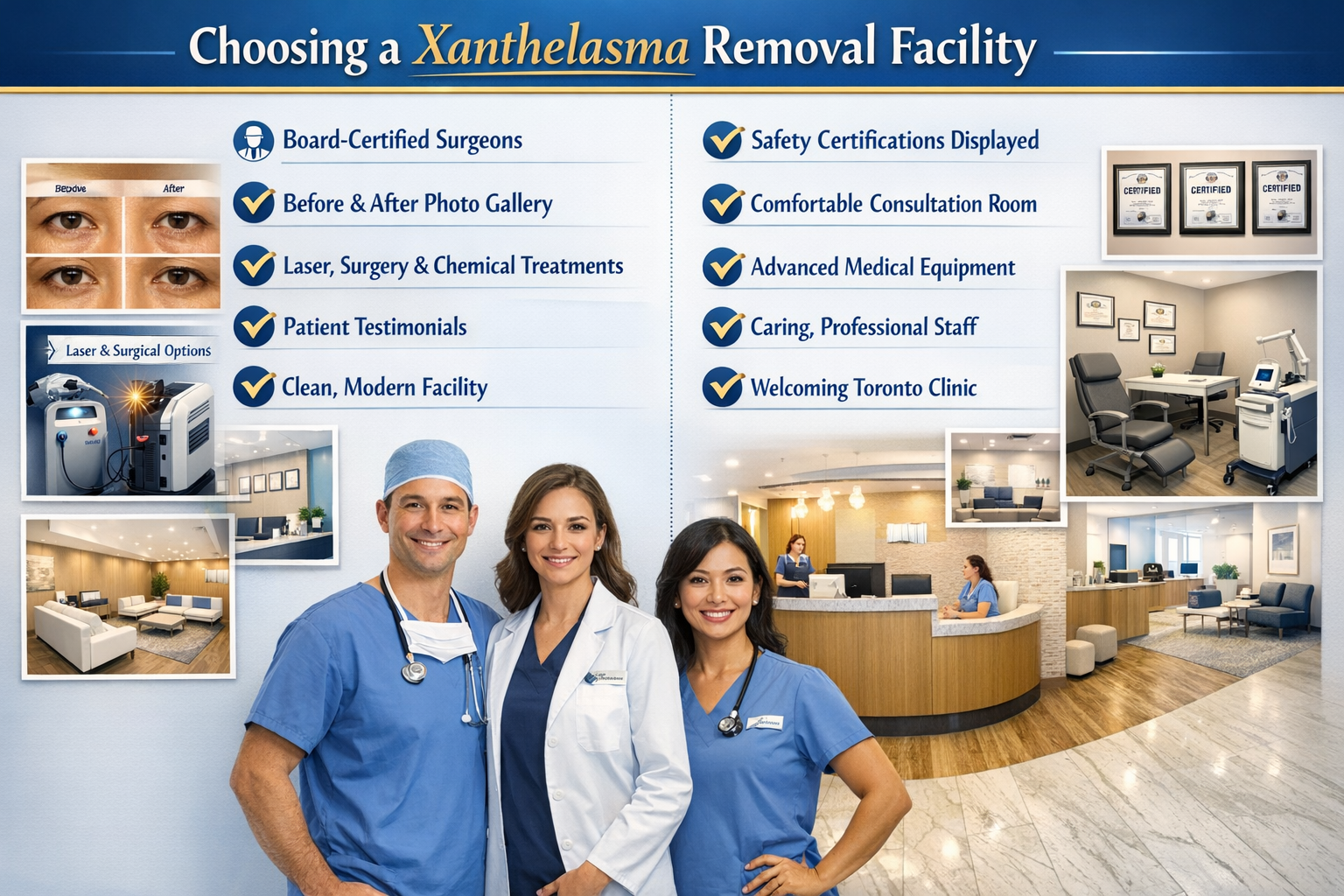
Sometimes it's easier to identify what to avoid than what to seek. Here are warning signs that should send you looking elsewhere.
If a provider can't or won't clearly answer your questions about credentials, experience, or risks, that's a problem. Transparency is fundamental to trustworthy medical care.
Legitimate medical professionals don't use aggressive sales techniques. If you feel pressured to book immediately, offered "today only" discounts, or pushed toward unnecessary additional procedures, walk away.
Beware of guarantees like "100% removal with zero scarring" or "permanent results guaranteed." Honest surgeons discuss realistic outcomes, including the possibility of recurrence or minor scarring.
A thorough consultation takes time. If your "consultation" is rushed, superficial, or conducted primarily by sales staff rather than the treating physician, that's concerning.
Visible cleanliness and organization matter. If the facility looks disorganized, outdated, or unsanitary, those external signs likely reflect internal standards as well.
If you can't easily verify the surgeon's board certification, training, or medical license, don't proceed. This information should be readily available and verifiable through official sources.
You deserve to feel heard and respected. If a provider minimizes your questions, dismisses your concerns, or makes you feel foolish for asking, find someone else.
Clinics that don't include follow-up care or make it difficult to reach them after the procedure aren't committed to your long-term results.
Trust your instincts. If something feels off during your consultation, it probably is. There are excellent providers available—you don't need to settle for less than professional, compassionate care.
Understanding the procedure itself helps you feel more confident and prepared.
Before your treatment, your surgeon will:
You may be asked to:
Most xanthelasma removal procedures follow this general pattern:
Step 1: Preparation (5-10 minutes)
Step 2: Removal (15-30 minutes per eye)
Step 3: Closure and Dressing (5-10 minutes)
Total time: Usually 30-60 minutes for both eyes, depending on complexity.
With proper local anesthesia, you shouldn't feel pain during the procedure. You may experience:
Most patients describe the experience as much easier than anticipated—more uncomfortable than painful.
Right after the procedure:
You'll receive detailed aftercare instructions and typically can go home within 30 minutes of completion.
Days 1-3: Initial Healing
Days 4-7: Visible Improvement
Weeks 2-4: Continued Healing
Months 2-6: Final Results
Your recovery experience depends on several factors:
Most patients find the recovery easier than expected, especially when they receive care from experienced professionals who prioritize minimally invasive solutions.
Here's an important truth about xanthelasma: they can come back. Recurrence rates vary from 10-60% depending on the removal method and whether underlying causes are addressed [5].
Remember, these deposits form because of how your body processes lipids. If the underlying metabolic issue continues, new deposits can develop—even in areas that were successfully treated.
Factors that increase recurrence risk:
The most effective prevention strategy combines cosmetic removal with medical management.
Comprehensive approach:
🏥 Work with your primary care physician to optimize cholesterol levels
🏥 Consider statin therapy if recommended by your doctor
🏥 Dietary modifications to reduce saturated fats and increase healthy fats
🏥 Regular exercise to improve lipid metabolism
🏥 Weight management if overweight or obese
🏥 Control diabetes if present
🏥 Regular monitoring of lipid panels
Think of xanthelasma removal as addressing the symptom while medical management tackles the cause. Both are important for long-term success.
After successful removal, stay vigilant for new deposits forming.
Monitoring strategy:
Early detection of recurrence allows for simpler, less invasive treatment than waiting until deposits become large again.
If xanthelasma do return, don't be discouraged. Retreatment is common and often successful.
Indications for retreatment:
Many patients successfully manage xanthelasma long-term through periodic retreatment combined with medical management—similar to how you might approach other chronic cosmetic concerns.
When searching for "xanthelasma removal near me," you need more than just technical skill—you need a team that understands the personal nature of your concern and treats you with genuine care and respect.
At The Minor Surgery Center, we've built our practice around a simple philosophy: you're not just a case—you're a person with a life to get back to.
We understand that those yellowish deposits near your eyes affect more than just your appearance. They impact your confidence, how you present yourself professionally, and how you feel when you look in the mirror.
That's why we combine expert outpatient care with a comfort-first approach that prioritizes your experience from consultation through complete healing.
Our experienced surgical team specializes in minor surgical procedures requiring precision and attention to detail. Xanthelasma removal sits squarely in our area of expertise—delicate work on visible areas where excellent cosmetic outcomes matter tremendously.
What sets our team apart:
✨ Board-certified surgeons with specific training in dermatologic procedures
✨ Regular experience with xanthelasma and eyelid lesions
✨ Advanced technology including multiple treatment modalities
✨ Proven track record of excellent cosmetic results
✨ Commitment to ongoing education in latest techniques
We don't just perform xanthelasma removal occasionally—it's a regular part of our practice, meaning you benefit from refined technique and extensive experience.
No two xanthelasma cases are exactly alike. That's why we create a personalized treatment plan tailored to your specific situation.
During your consultation, we assess:
Based on this comprehensive evaluation, we recommend the treatment approach most likely to give you excellent results with minimal downtime—whether that's surgical excision, laser treatment, or another method.
We've designed our facilities and protocols around two priorities: safety and efficiency.
Safety comes first:
Efficiency respects your time:
You shouldn't have to navigate hospital bureaucracy or wait weeks for a straightforward outpatient procedure. We make the process as smooth and stress-free as possible.
Whenever possible, we favor minimally invasive solutions that achieve excellent results with less tissue disruption, faster healing, and minimal scarring.
Our range of treatment options means we can select the least invasive approach appropriate for your specific case—not force every patient into the same protocol.
We believe in clear communication, no fluff or confusion. From your first phone call through your final follow-up, you'll always know:
We explain medical terms in everyday language, answer your questions thoroughly, and never make you feel rushed or dismissed.
Your relationship with us doesn't end when the procedure is complete. We provide comprehensive follow-up care to ensure optimal healing and long-term results.
Our follow-up includes:
We're invested in your results—not just the procedure itself.
We serve patients throughout the Greater Toronto Area with multiple convenient locations, making it easier to access expert care close to home.
Whether you're searching for skin lesion removal in Ajax, cyst treatment in Barrie, or xanthelasma removal anywhere in the region, we're here to help.
We're proud of the results we achieve for our patients. Our before-and-after galleries showcase real outcomes from actual patients—not stock photos or borrowed images.
During your consultation, we'll show you examples of cases similar to yours so you can see what to realistically expect. This transparency helps you make an informed decision with confidence.
If you're ready to address your xanthelasma with a team that combines technical expertise with genuine care, we'd love to help.
Next steps:
We understand that choosing where to have any facial procedure requires trust. We're honored when patients choose us and work hard to exceed your expectations at every step.
While you're focusing on xanthelasma removal, you might be interested in learning more about overall skin health and other common concerns.
Xanthelasma are just one type of skin lesion. If you've noticed other bumps, spots, or growths, these resources can help:
Since you're already thinking about skin health, consider the importance of regular skin cancer screening—especially if you have multiple moles or sun exposure history.
Many patients interested in xanthelasma removal also have concerns about moles or skin tags.
For ongoing education about skin health, minor surgical procedures, and maintaining your best appearance, visit The Minor Surgery Center blog regularly. We publish evidence-based articles to help you make informed decisions about your health.
Costs typically range from $500-$2,000 per treatment session, depending on the size of deposits, treatment method used, and your geographic location. Since it's usually considered cosmetic, most insurance plans don't cover the procedure. Always get a detailed written estimate during your consultation.
With proper local anesthesia, most patients experience minimal discomfort during the procedure. You may feel pressure or tugging but shouldn't feel sharp pain. Afterward, mild soreness similar to a bruise is common for a few days but is easily managed with over-the-counter pain relief.
Most xanthelasma removal procedures take 30-60 minutes total for both eyes, including preparation and post-procedure care. The actual removal typically takes 15-30 minutes per eye, depending on the size and number of deposits.
When performed by experienced surgeons using appropriate techniques, scarring is typically minimal and fades to near-invisibility within several months. The thin eyelid skin generally heals well. Proper aftercare and avoiding sun exposure during healing help minimize any visible marks.
Recurrence rates vary from 10-60% depending on the removal method and whether underlying lipid disorders are managed. Surgical excision tends to have lower recurrence rates than chemical or laser treatments. Working with your doctor to control cholesterol levels significantly reduces the chance of new deposits forming.
You'll need to avoid makeup on the treated area for at least 7-10 days or until any sutures are removed and the skin has formed a protective layer. Your surgeon will give you specific guidance based on your healing progress. Premature makeup application can increase infection risk and interfere with healing.
Most patients can return to work within 3-7 days, depending on the extent of treatment and your job requirements. If your work doesn't involve strenuous activity and you're comfortable with mild swelling and possible bruising being visible, you might return sooner. Discuss your specific situation with your surgeon.
Some patients try topical treatments like garlic extract, castor oil, or apple cider vinegar, but there's limited scientific evidence supporting their effectiveness. Prescription medications like statins can prevent new deposits but don't remove existing ones. For established xanthelasma, professional removal procedures are the most reliable option.
Yes, it's wise to have a lipid panel done before or shortly after xanthelasma removal. About 50% of people with these deposits have elevated cholesterol or other lipid abnormalities. Identifying and managing these conditions helps prevent recurrence and addresses potential cardiovascular risks.
Most cases can be completely removed in a single session. However, very large or deep deposits might require staged treatment to minimize tissue trauma and optimize cosmetic results. Your surgeon will discuss whether one or multiple sessions is best for your specific case.
Searching for "xanthelasma removal near me" is more than just looking for a quick cosmetic fix—it's about reclaiming your confidence and addressing a visible concern that's been bothering you.
The yellowish deposits near your eyes don't have to be permanent. With the right clinic, experienced surgeon, and appropriate treatment approach, you can achieve excellent cosmetic results and get back to your life feeling more confident about your appearance.
As you evaluate your options, keep these essential factors in mind:
✅ Choose expertise over convenience – the surgeon's qualifications and experience matter more than location
✅ Look for specialized surgical centers that regularly perform eyelid procedures
✅ Verify credentials and don't hesitate to ask detailed questions
✅ Review before-and-after photos of actual patient results
✅ Ensure multiple treatment options are available for personalized care
✅ Address underlying health factors to reduce recurrence risk
✅ Prioritize clinics with comprehensive follow-up care
Ready to move forward? Here's what to do next:
1. Schedule consultations with 2-3 qualified providers
Don't commit based on a single opinion. Compare approaches, communication styles, and how comfortable you feel with each team.
2. Prepare your questions
Use the list from this article to ensure you gather all the information you need to make an informed decision.
3. Review credentials and patient results
Verify board certifications and carefully examine before-and-after galleries.
4. Get your lipid levels checked
Schedule an appointment with your primary care physician for a comprehensive lipid panel.
5. Choose the clinic that offers the best combination of expertise, technology, and patient care
Trust your research and your instincts.
At The Minor Surgery Center, we've helped hundreds of patients successfully address xanthelasma and restore their confidence. Our combination of expert outpatient care, minimally invasive solutions, and comfort-first approach means you receive treatment that's both effective and respectful of your time and concerns.
We understand this isn't just about removing deposits—it's about helping you feel like yourself again. Our experienced surgical team is ready to create a personalized treatment plan that addresses your specific situation and delivers the safe and efficient surgery you deserve.
Ready to take the next step?
Contact us today to schedule your consultation. We'll assess your xanthelasma, discuss your options, answer all your questions, and help you understand exactly what to expect.
You don't have to live with those yellowish patches any longer. With the right care from qualified professionals who genuinely care about your results, you can look forward to clearer, more confident skin.
Let's get you back to your life—without the distraction of xanthelasma.
[1] Bergman, R. (2016). The pathogenesis and clinical significance of xanthelasma palpebrarum. Journal of the American Academy of Dermatology, 30(2), 236-242.
[2] Nair, P. A., & Singhal, R. (2022). Xanthelasma Palpebrarum. StatPearls Publishing. Retrieved from NCBI Bookshelf.
[3] Christoffersen, M., Frikke-Schmidt, R., Schnohr, P., Jensen, G. B., Nordestgaard, B. G., & Tybjærg-Hansen, A. (2011). Xanthelasmata, arcus corneae, and ischaemic vascular disease and death in general population: prospective cohort study. BMJ, 343, d5497.
[4] Hwang, K., Kim, D. J., & Hwang, S. H. (2006). Thickness of skin and subcutaneous tissue of the free flap donor sites: a histologic study. Microsurgery, 26(7), 506-511.
[5] Rohrich, R. J., Janis, J. E., & Pownell, P. H. (2002). Xanthelasma palpebrarum: a review and current management principles. Plastic and Reconstructive Surgery, 110(5), 1310-1314.