
Imagine waking up with a concerning mole or painful cyst, seeing your doctor, having it professionally removed, and returning home to your own bed—all on the same day. This isn't wishful thinking; it's the reality of Same-Day Surgery: What to Expect at The Minor Surgery Center in 2025. Modern ambulatory surgery centers have revolutionized how Canadians access surgical care, eliminating lengthy hospital stays and transforming procedures that once required overnight hospitalization into efficient, comfortable outpatient experiences.
Whether you're searching for same-day mole removal in Toronto or need walk-in cyst removal, understanding what happens at a dedicated minor surgery center can ease anxiety and help you prepare for a smooth surgical experience. The Minor Surgery Center specializes in providing these streamlined services with state-of-the-art technology and patient-centered care.
✅ Same-day surgery centers perform minor and moderately complex procedures without overnight hospitalization, allowing patients to recover at home the same day
✅ Pre-registration takes 20-25 minutes and requires insurance information, medical history, and completion of screening questionnaires
✅ Common procedures include mole removal, cyst excision, skin tag treatment, and increasingly complex orthopedic and cardiovascular interventions
✅ Entire visit timeline can be completed between morning arrival and 4 PM discharge, including consultation, procedure, and recovery
✅ Modern facilities feature advanced operating rooms, certified medical staff (ACLS/PALS), and private recovery areas designed for patient comfort and safety

Same-day surgery centers, also known as ambulatory surgery centers (ASCs), represent a fundamental shift in how surgical care is delivered. These specialized outpatient facilities are purpose-built to provide comfort, convenience, and leading-edge technologies for procedures that don't require overnight hospital stays[1].
Unlike traditional hospital operating rooms, same-day surgery centers focus exclusively on scheduled, elective procedures. This specialization creates several distinct advantages:
🏥 Operational Efficiency: Operating room turnover times at ambulatory surgery centers average approximately 6 minutes between procedures, compared to significantly longer intervals at traditional hospitals[2]. This efficiency translates to reduced wait times and more predictable scheduling for patients.
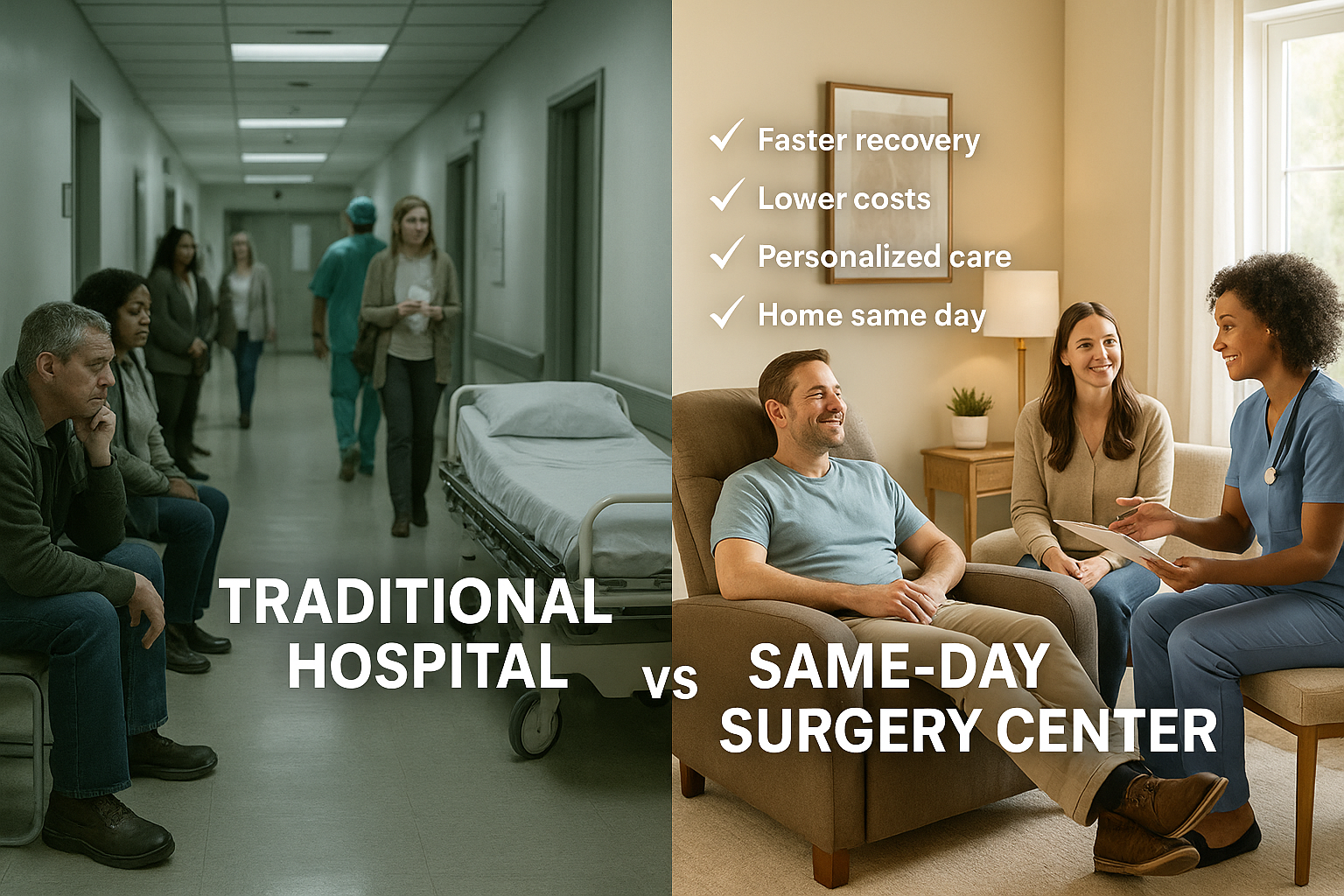
💰 Cost-Effectiveness: By eliminating overnight stays and focusing on streamlined operations, same-day surgery centers typically cost 40-60% less than equivalent hospital procedures while maintaining comparable or superior quality outcomes[3].
🎯 Specialized Focus: Staff members at dedicated minor surgery centers develop expertise in specific procedure types, creating smoother workflows and better patient experiences.
The scope of procedures performed at same-day surgery centers has expanded dramatically. In 2025, these facilities handle not only traditional minor surgeries but increasingly complex interventions:
Procedure CategoryCommon ExamplesTypical DurationDermatologicalMole removal, cyst excision, skin tag treatment15-45 minutesOrthopedicCarpal tunnel release, trigger finger surgery, arthroscopy30-90 minutesOphthalmologyCataract surgery, LASIK, pterygium removal15-60 minutesGynecologicalEndometrial ablation, hysteroscopy30-60 minutesCardiovascularPacemaker insertion, cardiac catheterization60-120 minutesSpineMinimally invasive discectomy, decompression90-180 minutes
Procedures like mole removal in Ajax and cyst removal in Barrie exemplify the geographic accessibility of these specialized services across Ontario.
Understanding the step-by-step process helps demystify the experience and reduces pre-procedure anxiety. Here's what happens during a typical same-day surgery visit:
Your journey begins with pre-registration, which typically takes 20-25 minutes[4]. During this phase, you'll need to:
Pro Tip: Arrive 15 minutes early to complete paperwork without rushing. Bring a list of current medications, including dosages, to expedite the process.
Once registration is complete, you'll move to the pre-operative area where comprehensive screening occurs:
📋 Health Assessment: A qualified nurse or physician assistant will:
🩺 Physician Consultation: Your surgeon will:
💉 Anesthesia Discussion: An anesthesiologist or nurse anesthetist will:
For patients seeking walk-in cyst removal, some centers offer expedited consultations when scheduling permits, though pre-booked appointments ensure guaranteed availability.
The preparation phase transforms you from patient to surgical candidate:
👔 Changing and Storage: You'll change into a surgical gown and store personal belongings in a secure locker. Remove all jewelry, contact lenses, dentures, and nail polish as directed.
💧 IV Placement: If sedation or IV medications are planned, a nurse will insert an intravenous catheter, typically in your hand or forearm. This allows for rapid medication administration during the procedure.
🧘 Relaxation Techniques: Many centers offer calming music, warm blankets, and pre-medication to reduce anxiety. Staff members are trained to provide emotional support and answer questions.
✅ Final Verification: Before entering the operating room, a surgical team member will perform a "time-out" procedure, verbally confirming:
This standardized safety protocol prevents errors and ensures everyone is aligned.
The actual surgery represents the culmination of careful preparation:
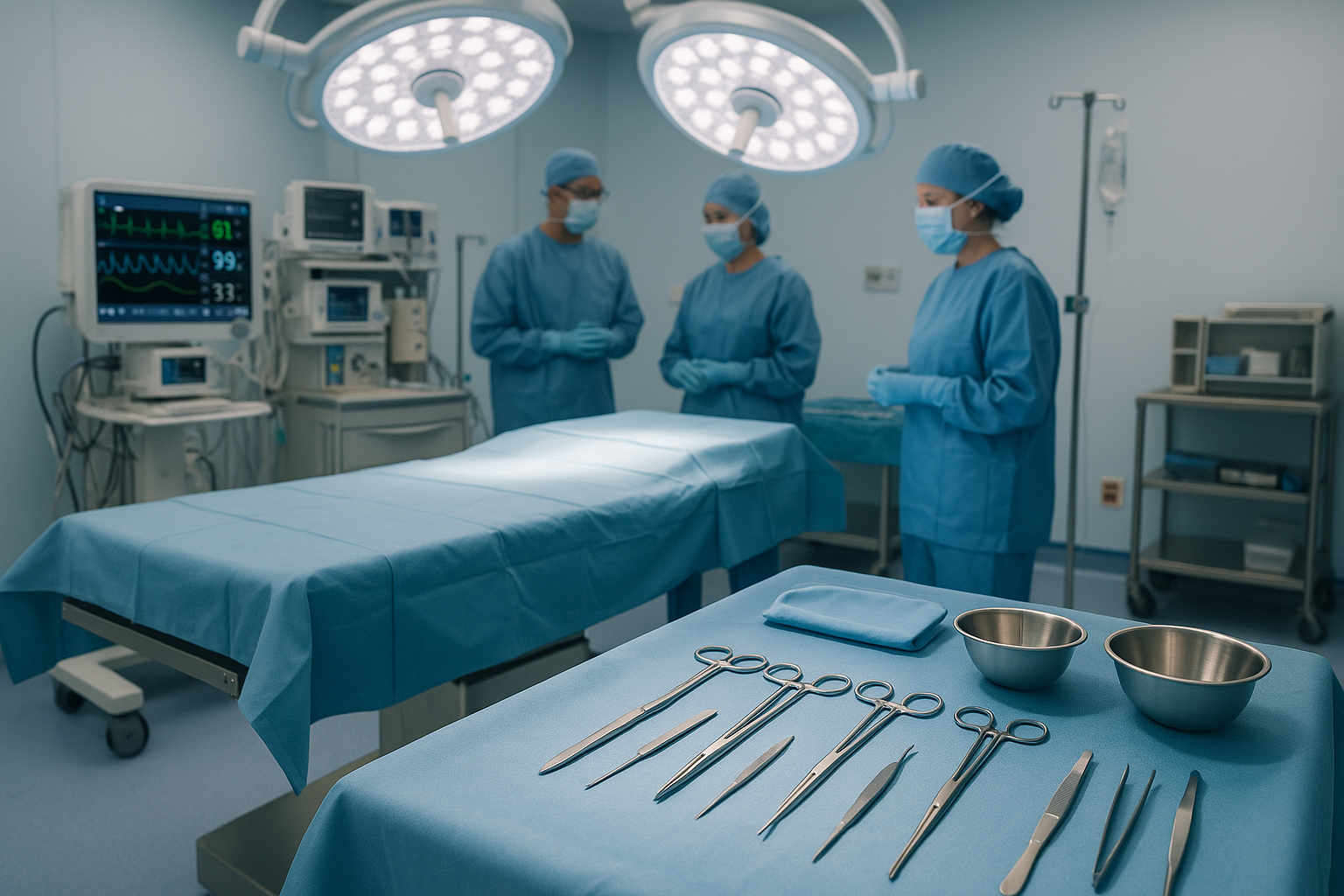
🏥 Operating Room Environment: Modern same-day surgery centers feature state-of-the-art operating rooms equipped with:
👨⚕️ Surgical Team: Your procedure involves a coordinated team:
⏱️ Procedure Duration: Most minor surgeries at dedicated centers take 15-60 minutes, though timing varies based on complexity. For example:
🔬 Specimen Handling: If tissue is removed (as with mole or cyst excision), it's immediately preserved and sent to pathology for microscopic examination. Results typically arrive within 7-10 business days, and your surgeon will contact you to discuss findings.
Post-operative recovery occurs in specialized step-down recovery areas designed to provide privacy and comfort:
🛏️ Initial Recovery (Phase 1): Immediately after surgery, you're transferred to a recovery bay where:
Staff members certified in ACLS (Advanced Cardiac Life Support) and PALS (Pediatric Advanced Life Support) are present to handle any emergencies, though complications are rare in properly screened patients[5].
☕ Extended Recovery (Phase 2): Once stable, you move to a secondary recovery area where:
📱 Discharge Criteria: Before leaving, you must demonstrate:
The efficiency of same-day surgery centers allows most patients to return home by 4 PM, completing the entire journey from consultation to discharge in a single day[6].
📄 Discharge Package: You'll leave with:
🚗 Transportation: Someone must drive you home if you received sedation. Plan for a quiet evening at home, avoiding strenuous activities.
🏡 Home Recovery: Recovering in familiar surroundings supports faster physical and psychological healing compared to hospital environments[7]. Most patients experience:
Same-day surgery centers excel at performing a wide range of procedures efficiently and safely. Understanding what's commonly treated helps patients recognize when ambulatory surgery is appropriate.
Skin-related surgeries represent a significant portion of same-day surgery center volume:
Mole Removal: Whether for cosmetic reasons or cancer screening, mole excision is one of the most frequent procedures. Same-day mole removal in Toronto offers convenient access without lengthy wait times. The process involves:
Cyst Excision: Sebaceous cysts, epidermoid cysts, and other benign growths can be completely removed in outpatient settings. The procedure includes:
Patients often search for walk-in cyst removal services, and many centers accommodate urgent requests when possible, though scheduled appointments ensure optimal preparation.
Skin Tag Treatment: These benign growths can be removed through:
Skin Cancer Removal: Basal cell carcinoma and squamous cell carcinoma are frequently treated at same-day surgery centers using techniques like:
Understanding different types of skin lesions helps patients recognize when professional evaluation is needed.
Hand and minor orthopedic surgeries are increasingly performed in ambulatory settings:
Carpal Tunnel Release: This common procedure relieves pressure on the median nerve through:
Trigger Finger Surgery: Tendon sheath release allows smooth finger movement again through minimally invasive techniques.
Ganglion Cyst Removal: These fluid-filled lumps near joints or tendons can be surgically excised when conservative treatments fail.
Gynecological: Endometrial biopsies, hysteroscopy, and minor procedures
Ophthalmology: Cataract surgery, pterygium removal, eyelid procedures
Ear, Nose, and Throat: Tonsillectomy (adults), sinus procedures, ear tube placement
General Surgery: Hernia repairs, hemorrhoid treatment, breast biopsies
The blog section provides detailed information about specific procedures and conditions.
Proper preparation ensures the smoothest possible experience and optimal outcomes. Here's how to prepare in the days and hours before your procedure:
📞 Confirmation Call: The surgery center will contact you to:
💊 Medication Review: Discuss all medications with your surgeon, including:
🚭 Lifestyle Adjustments:
🍽️ Fasting Instructions: Typically, you must:
🧼 Hygiene:
👜 Preparation Checklist:
⏰ Timing: Arrive at the scheduled time, typically 1-2 hours before your procedure
👕 Clothing: Wear:
📱 Communication: Inform staff immediately if you:
Not all same-day surgery facilities offer the same level of care, technology, or patient experience. Understanding what distinguishes exceptional centers helps patients make informed choices.
Modern ambulatory surgery centers invest in leading-edge technologies that rival or exceed hospital capabilities:
🔬 Surgical Equipment:
📊 Monitoring Systems:
The quality of personnel directly impacts patient outcomes and satisfaction:
👨⚕️ Physician Credentials:
👩⚕️ Nursing Excellence:
Physical environment significantly affects patient comfort and recovery:
🏥 Facility Features:
🎯 Streamlined Processes:
The relationship doesn't end at discharge:
📞 Post-Operative Contact: Most centers call patients 24-48 hours after surgery to:
🩺 Continuity of Care:
Successful recovery requires understanding what's normal, what's concerning, and how to optimize healing.
😴 Rest and Activity:
💊 Pain Management:
🍽️ Diet:
🩹 Wound Care:
🚶 Gradual Activity Increase:
🧼 Hygiene and Wound Care:
📅 Follow-Up Appointment:
⚠️ Scar Management:
🔍 Monitoring:
While complications are rare, knowing warning signs is essential:
🚨 Call Your Surgeon Immediately If You Experience:
📞 After-Hours Contact: Reputable surgery centers provide 24/7 emergency contact numbers for urgent concerns outside business hours.
Understanding financial aspects helps patients plan appropriately:
🏥 OHIP Coverage: In Ontario, medically necessary procedures performed at approved facilities are covered by provincial health insurance. This includes:
💳 Private Insurance: Cosmetic procedures typically require private payment or supplemental insurance coverage.
📋 Pre-Authorization: Some procedures require insurance pre-approval. The surgery center's billing department typically handles this process.
💰 Factors Affecting Cost:
📊 Transparency: Reputable centers provide cost estimates before scheduling, eliminating surprise bills.
🏦 Payment Options: Many facilities offer:
Not all ambulatory surgery centers offer equivalent quality. Consider these factors when selecting a facility:
✅ Look for:
🎯 Consider:
⭐ Research:
📍 Practical Factors:
💬 Evaluate:
The ambulatory surgery landscape continues evolving rapidly:
🔬 2025 Trends:
💻 Innovations:
📊 Healthcare System Changes:
Same-Day Surgery: What to Expect at The Minor Surgery Center represents a patient-centered approach to surgical care that prioritizes efficiency, comfort, and quality outcomes. By understanding the complete process—from pre-registration through home recovery—patients can approach their procedures with confidence rather than anxiety.
The advantages are clear: streamlined scheduling, specialized expertise, state-of-the-art facilities, personalized attention, and the comfort of recovering at home. Whether you need same-day mole removal in Toronto, walk-in cyst removal, or more complex procedures, modern ambulatory surgery centers deliver exceptional care without the drawbacks of traditional hospital stays.
If you're considering a minor surgical procedure:
The Minor Surgery Center offers comprehensive same-day surgical services with the expertise, technology, and patient-focused care you deserve. Don't let concern about surgical procedures delay necessary treatment—modern ambulatory surgery makes getting the care you need easier than ever before.
Take control of your health today. Contact a qualified same-day surgery center to discuss your options and experience the difference that specialized, efficient, compassionate care can make in your surgical journey.
[1] American Association of Ambulatory Surgery Centers. (2024). "What is an Ambulatory Surgery Center?" AAASC Guidelines and Standards.
[2] Healthcare Financial Management Association. (2024). "Operational Efficiency Metrics in Ambulatory Surgery Centers." HFMA Research Report.
[3] Centers for Medicare & Medicaid Services. (2024). "Cost Analysis: Ambulatory Surgery Centers vs. Hospital Outpatient Departments."
[4] Ambulatory Surgery Center Association. (2024). "Patient Pre-Registration Best Practices." ASCA Quality Guidelines.
[5] Joint Commission. (2024). "Ambulatory Surgery Center Accreditation Standards: Staff Certification Requirements."
[6] National Association of Ambulatory Care. (2024). "Patient Flow Optimization in Same-Day Surgery Centers."
[7] Journal of Ambulatory Surgery. (2023). "Home Recovery Outcomes Following Outpatient Procedures: A Systematic Review." Vol. 29, Issue 4, pp. 234-247.