

Last updated: May 5, 2026
Most patients follow a trigger finger surgery recovery week by week timeline that runs 6 weeks for complete healing, though some swelling and stiffness can linger for up to 6 months. The mechanical locking resolves immediately after surgery because the tight A1 pulley is permanently released during the procedure. Light activity resumes within days, desk work within 1–2 weeks, and full unrestricted use typically by week 6. [1][4]
The mechanical restriction is gone the moment surgery ends. Unlike steroid injections (which take 1–3 weeks to reduce inflammation) or splinting (which can take 3–6 weeks), the A1 pulley is cut and the finger moves freely as soon as the procedure is complete. [2]
What to expect in the first 24 hours:
Key point: Moving the fingers right away after surgery is not just permitted — it's encouraged. Waiting too long to move the hand is one of the most common recovery mistakes.
What to avoid immediately post-op:
This is the phase most patients worry about most. Here's what actually happens, day by day.
Localized tenderness around the incision site is at its highest in the first 72 hours. The finger that was previously locking moves freely, which can feel surprisingly normal very quickly. [1][2]
Swelling often peaks around day 3–4 before gradually decreasing. Most patients notice a significant improvement in comfort by day 5 or 6.
Non-dissolvable stitches are typically removed at the first post-op follow-up, usually between days 7 and 10. At this appointment, the surgeon assesses healing and clears patients for light activities. [1][3]
Activities typically cleared at this visit:
Common mistake: Returning to heavy hand use too early because the finger "feels fine." The incision is still healing internally even when surface sutures are out.
Weeks 2 through 4 are where recovery becomes active rather than passive. Patients transition from protecting the hand to rebuilding it. [3][5]
Most patients with desk-based or sedentary jobs return to work between 7 and 14 days post-op. Those in roles requiring repetitive hand movements, gripping, or lifting may need 4–6 weeks before returning. [7]
Job TypeEstimated Return to WorkDesk / office / computer work1–2 days to 2 weeksLight manual work (no heavy grip)2–4 weeksHeavy manual / repetitive grip work4–6 weeksTrades, construction, heavy liftingUp to 6 weeks with medical clearance
Timelines are estimates. Individual recovery varies based on age, overall health, which finger was operated on, and surgical technique.
A structured hand therapy program typically begins in this window. A hand specialist designs a personalized program based on which finger was treated and the patient's functional goals. [5]
Early rehabilitation exercises include:
For patients in the Greater Toronto Area exploring their surgical and rehabilitation options, the Trigger Finger Treatment & Surgery in Toronto page outlines what to expect from the full treatment process.
Scar massage is one of the most underused recovery tools. Starting around week 2 (once the incision is fully closed), patients should massage the scar firmly in circular motions using a thick hand cream or oil, several times daily. [3]
Daily activities like lifting light shopping bags and gentle gym exercises (lower body, core) also become possible in weeks 3–4 for most patients. [3]
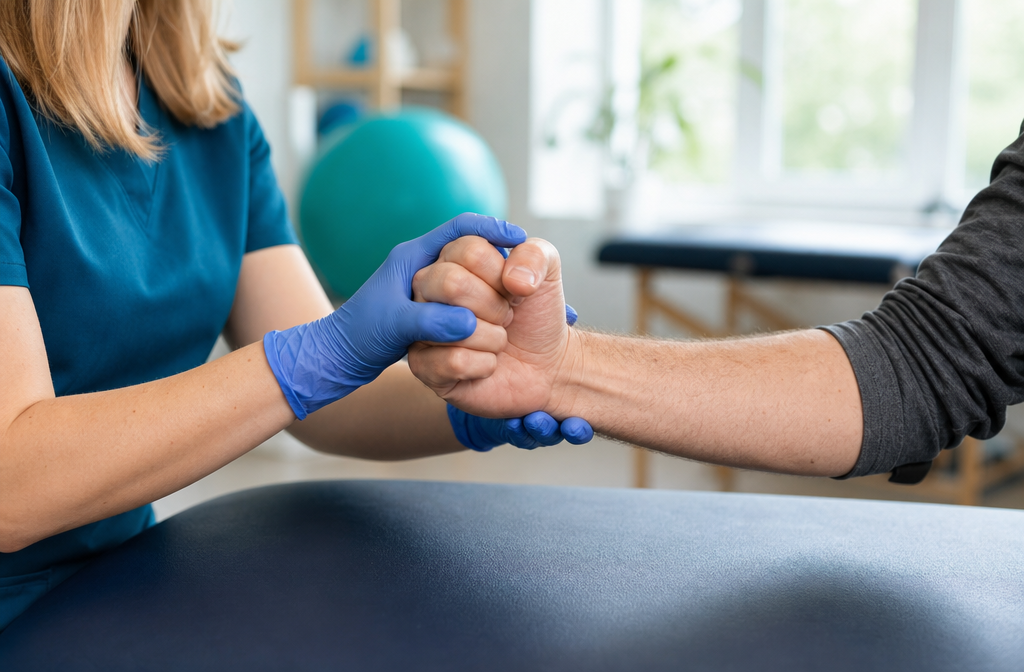
This phase is where patients often feel frustrated because the scar becomes its most tender around week 4, even as overall function is improving. Understanding why this happens makes it easier to manage.
Around 3–6 weeks post-op, the scar tissue thickens as part of the normal healing process. This is when it becomes most sensitive to direct pressure and may feel more uncomfortable than it did in week 2. [3]
This is not a setback. It is a predictable phase of collagen remodeling. Consistent scar massage during this window is critical — skipping it increases the risk of long-term stiffness and a hypersensitive scar.
Grip strength continues improving through weeks 3–6. Regular follow-up appointments monitor healing through physical examination and functional testing. [2][5]
Progression markers in this phase:
Edge case: If the finger is still catching or locking after week 4, contact the surgical team. While rare, incomplete pulley release or scar tissue formation over the tendon can occur and may require assessment. [4]
For patients who had related hand procedures, the carpal tunnel surgery recovery guide covers a comparable rehabilitation timeline and shares useful parallel advice on hand therapy.
By week 5, most patients are well into the functional recovery phase. Physical therapy progresses to more demanding exercises that build hand muscle strength and endurance. [5]
Advanced rehabilitation exercises (weeks 5–8):
The goal in this phase is not just restoring strength — it's integrating the operated hand back into routine activities without compensating with the other hand or avoiding certain movements. [5]
Total healing time averages approximately 6 weeks for most patients, at which point regular activity can resume without restrictions. However, some residual swelling and stiffness can persist for up to 6 months, particularly in patients who had severe triggering before surgery or who have underlying conditions like diabetes or rheumatoid arthritis. [4][7]
Factors that influence recovery speed:
For a broader look at recent developments in how trigger finger is managed — including newer surgical techniques — the advances in trigger finger management article covers the current evidence well.
Most trigger finger surgery recoveries are straightforward. That said, knowing which symptoms warrant a call to the surgical team helps patients act quickly when something is genuinely wrong.
Contact the surgical team if any of the following occur:
Normal symptoms that do not require urgent attention:
Patients across Ontario who want to discuss recovery concerns with a specialist can find clinic locations including Mississauga, Oakville, and North York.
Surgery produces faster and more reliable relief than non-surgical options for most patients with moderate-to-severe triggering. The tradeoff is a recovery period that non-surgical approaches don't require.
TreatmentTime to Locking ReliefRecovery PeriodRecurrence RiskOpen surgical releaseImmediate (same day)6 weeks full recoveryVery lowPercutaneous needle releaseImmediate to days1–3 weeksLow to moderateCorticosteroid injection1–3 weeksNone (no incision)Moderate (30–50% recurrence estimate)Splinting / rest3–6 weeksOngoingHigh if underlying cause not addressed
Recurrence figures are general estimates based on published hand surgery literature. Individual outcomes vary.
The key surgical advantage is permanence: the A1 pulley is physically divided, so the mechanical cause of triggering is eliminated. Injections reduce inflammation but don't address the structural narrowing. [2]
For patients weighing their options, the carpal tunnel surgery alternatives article offers useful context on how conservative versus surgical approaches compare in hand conditions generally.
Q: How painful is trigger finger surgery recovery?
Most patients describe post-operative discomfort as mild to moderate, well-managed with over-the-counter pain relief. The first 3 days are the most uncomfortable. Pain typically decreases significantly by day 5–7. [1]
Q: Can the finger lock again after surgery?
Recurrence after open surgical release is rare. The A1 pulley is permanently divided, eliminating the mechanical cause. If the finger catches again, it usually indicates scar tissue formation over the tendon rather than pulley regrowth, and this should be assessed promptly. [4]
Q: When can I drive after trigger finger surgery?
Most patients are cleared to drive short distances at the day 7–10 suture removal appointment, provided the operated hand is not required for critical steering or gear changes. Confirm with the surgical team before driving. [1][3]
Q: Do I need physiotherapy after trigger finger surgery?
Formal hand therapy is not always mandatory for straightforward cases, but it significantly improves outcomes — particularly for patients with stiffness, those returning to manual work, or anyone who had severe triggering before surgery. A structured program starting at weeks 2–4 is generally recommended. [5]
Q: How long does numbness last after trigger finger surgery?
Mild numbness or tingling near the incision is common and typically resolves over several weeks as nerve irritation from the surgical trauma settles. Persistent or worsening numbness should be reported to the surgical team. [4]
Q: When can I return to the gym after trigger finger surgery?
Lower body and core exercises can often resume within 2–3 weeks. Upper body exercises involving grip, pulling, or pushing should wait until weeks 4–6, depending on how recovery is progressing and the surgeon's clearance.
Q: Is trigger finger surgery done under general anesthesia?
No. Trigger finger release is typically performed under local anesthesia as a day procedure. Patients are awake, go home the same day, and do not need to fast beforehand in most cases. [2]
Q: What is the success rate of trigger finger surgery?
Open A1 pulley release has a high success rate, with the vast majority of patients achieving full resolution of triggering. Complication rates are low when performed by an experienced hand surgeon. [4][6]
Q: Can I shower after trigger finger surgery?
Keeping the wound dry is important until sutures are removed and the incision is fully closed (typically 7–10 days). After that, normal showering is fine. Baths, swimming, and soaking should be avoided until the surgeon confirms the wound is fully healed.
Q: What happens if I skip scar massage?
Skipping scar massage increases the risk of a hypersensitive, thickened scar and may contribute to long-term stiffness. Consistent massage from week 2 onward for approximately 6 months is strongly recommended. [3]
The trigger finger surgery recovery week by week timeline follows a predictable path for most patients: immediate resolution of locking, a protected first week, suture removal and light activity clearance by days 7–10, active rehabilitation from weeks 2–4, and full unrestricted use by week 6. Residual stiffness and scar sensitivity can persist for up to 6 months, but these are manageable with consistent therapy and scar massage.
Actionable next steps:
Patients in Ontario looking for board-certified surgeons experienced in trigger finger release can explore clinic options and read patient outcomes at The Minor Surgery Center Reviews, or visit the trigger finger treatment page for full procedure details.
[1] A Trigger Finger Treatment Timeline - https://www.chesapeakehand.com/2026/02/06/a-trigger-finger-treatment-timeline/
[2] Trigger Finger Recovery Timeline What To Expect After Treatment - https://www.orthopaedicinnovation.co.uk/trigger-finger-recovery-timeline-what-to-expect-after-treatment/
[3] Trigger Finger Surgery Recovery Time - https://cohenwintersplasticsurgery.com/trigger-finger-surgery-recovery-time/
[4] Trigger Finger Surgery Recovery - https://handandwristinstitute.com/blog/trigger-finger-surgery-recovery/
[5] Recovery Timeline After Trigger Finger Surgery A Complete Guide - https://www.spirehand.com.sg/recovery-timeline-after-trigger-finger-surgery-a-complete-guide/
[6] Recovery From Trigger Finger Surgery What To Expect - https://resources.healthgrades.com/right-care/bones-joints-and-muscles/recovery-from-trigger-finger-surgery-what-to-expect
[7] Conditions - https://myhealth.alberta.ca/Health/aftercareinformation/pages/conditions.aspx?hwid=ud1893