Skin Cancer Screening Ontario: Your Complete Guide to Early Detection and Treatment in 2025
When Sarah noticed a small, dark spot on her shoulder that hadn't been there before, she dismissed it as just another sign of aging. Six months later, that innocent-looking mark had changed shape and color. Fortunately, a comprehensive skin cancer screening ontario appointment caught what turned out to be early-stage melanoma, saving her life. Sarah's story isn't unique—thousands of Ontarians face similar situations every year, but early detection through proper screening makes all the difference.
Skin cancer remains the most common form of cancer in Canada, with rates continuing to rise across Ontario. 🏥 However, when detected early, most skin cancers are highly treatable with excellent survival rates. Understanding your options for skin cancer screening ontario services can be the difference between a simple outpatient procedure and extensive treatment.
Key Takeaways
Early detection saves lives: Skin cancer caught in early stages has a cure rate exceeding 95%, making regular screening essential for all Ontarians
Multiple screening options exist: From visual examinations to advanced dermoscopy and digital body mapping, Ontario residents have access to various screening technologies
Know your risk factors: Family history, sun exposure, fair skin, and numerous moles increase your need for professional skin cancer screening
The Minor Surgery Center offers comprehensive care: Specialized clinics provide expert screening, diagnosis, and treatment under one roof without lengthy wait times
Self-examination matters: Monthly skin checks at home complement professional screenings and help identify concerning changes early
Understanding Skin Cancer: Types and Risk Factors in Ontario
Skin cancer develops when skin cells grow abnormally, typically due to DNA damage from ultraviolet (UV) radiation. In Ontario, where summers bring intense sun exposure and winters reflect UV rays off snow, residents face year-round risk factors that make regular screening crucial.
Most dangerous form, though less common than BCC or SCC
Can develop from existing moles or appear as new dark spots
Spreads rapidly if not caught early, making screening critical
Survival rate exceeds 95% when detected in early stages[1]
Merkel Cell Carcinoma
Rare but aggressive form of skin cancer
Appears as firm, painless nodules on sun-exposed skin
Requires immediate medical attention and specialized treatment
Risk Factors Specific to Ontario Residents
Living in Ontario presents unique environmental factors that influence skin cancer risk:
Geographic Considerations
Southern Ontario receives significant UV exposure during summer months
Winter snow reflection can increase UV exposure by up to 80%
Cottage culture and outdoor recreation increase cumulative sun exposure
Urban heat islands in Toronto and other cities intensify UV radiation
Demographic Risk Factors
Fair skin, light hair, and blue or green eyes (common in Ontario's diverse population)
Personal or family history of skin cancer
More than 50 moles on the body
History of severe sunburns, especially during childhood
Weakened immune system from medications or medical conditions
Occupational sun exposure (construction workers, farmers, landscapers)
Lifestyle Factors
Regular tanning bed use (still popular despite known risks)
Outdoor sports and activities without adequate sun protection
Inconsistent sunscreen application during Canadian summers
Lack of awareness about year-round UV protection needs
Skin Cancer Screening Ontario: Available Methods and Technologies
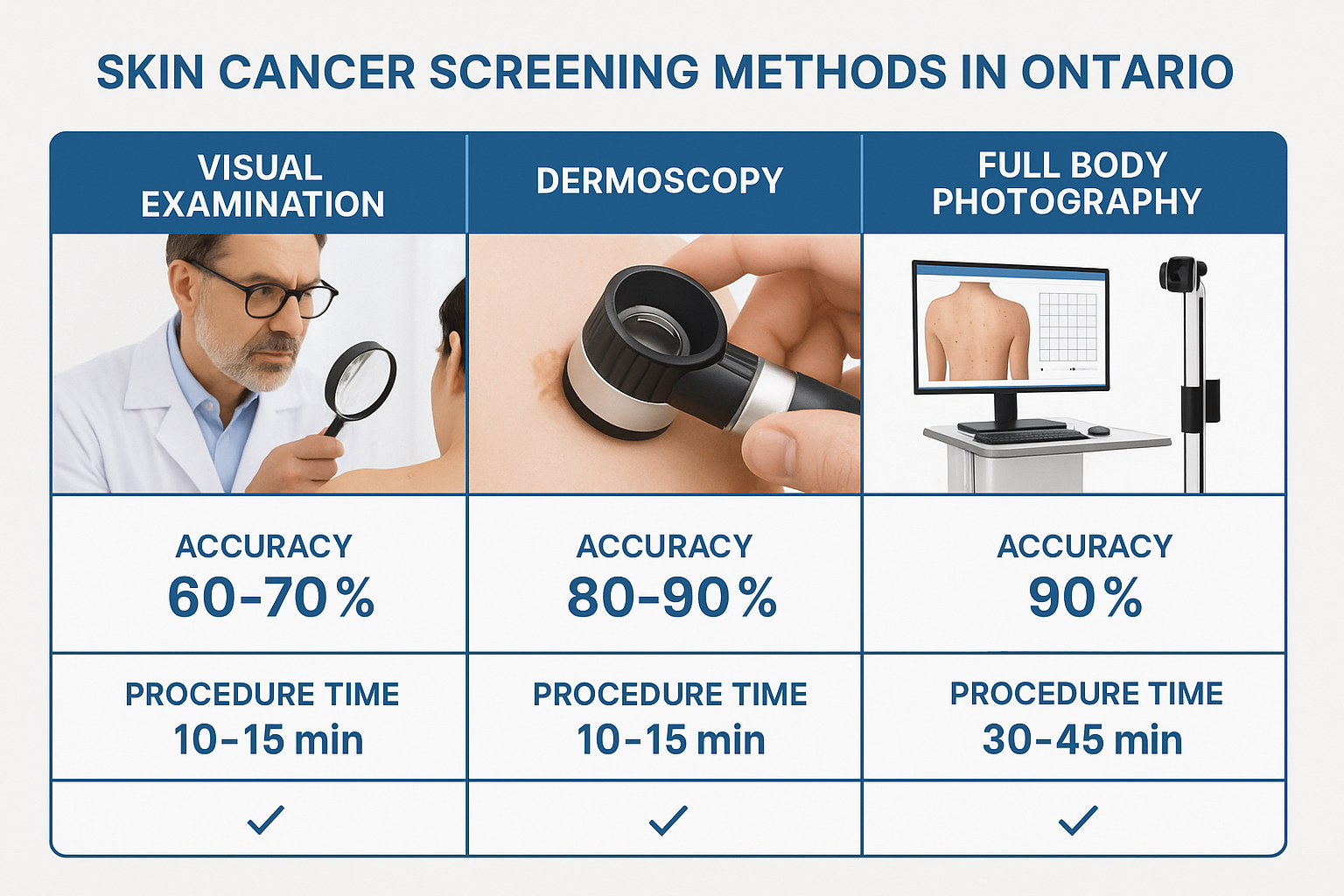
Ontario residents have access to multiple screening approaches, each offering different levels of detail and diagnostic capability. Understanding these options helps patients make informed decisions about their skin health.
Visual Skin Examination
The foundation of any skin cancer screening ontario program begins with a thorough visual examination conducted by a qualified healthcare professional.
What It Involves:
Complete head-to-toe skin inspection
Examination of all moles, freckles, and skin lesions
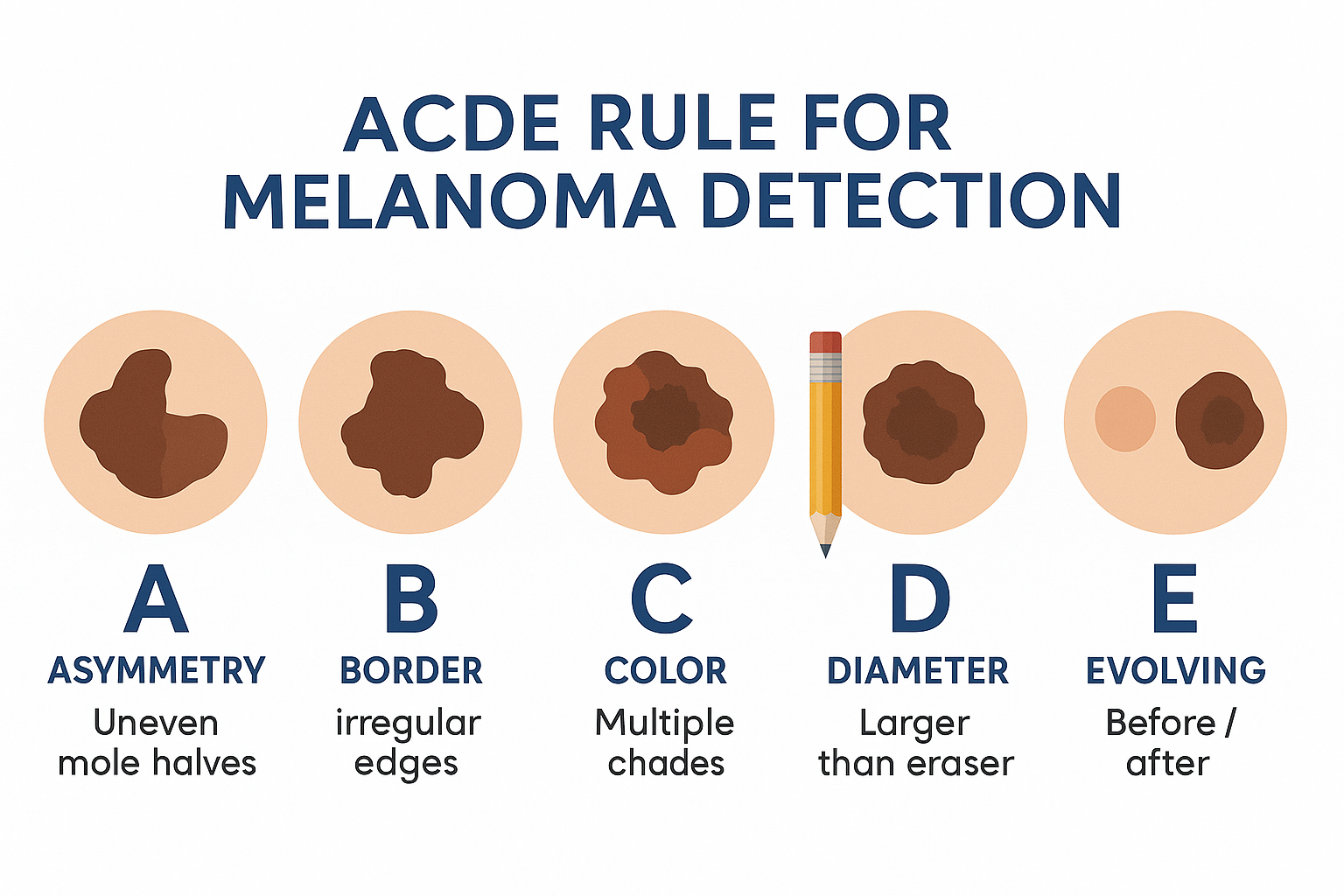
Assessment using the ABCDE criteria for melanoma detection
Documentation of concerning areas for monitoring
The ABCDE Rule:
Asymmetry: One half doesn't match the other
Border: Irregular, scalloped, or poorly defined edges
Color: Varied shades of brown, black, tan, red, white, or blue
Diameter: Larger than 6mm (pencil eraser size)
Evolving: Changes in size, shape, color, or symptoms
Visual examinations typically take 15-30 minutes and serve as an excellent first-line screening tool. However, they have limitations in detecting subtle changes or early-stage cancers that may not be visible to the naked eye.
Dermoscopy: Enhanced Visualization
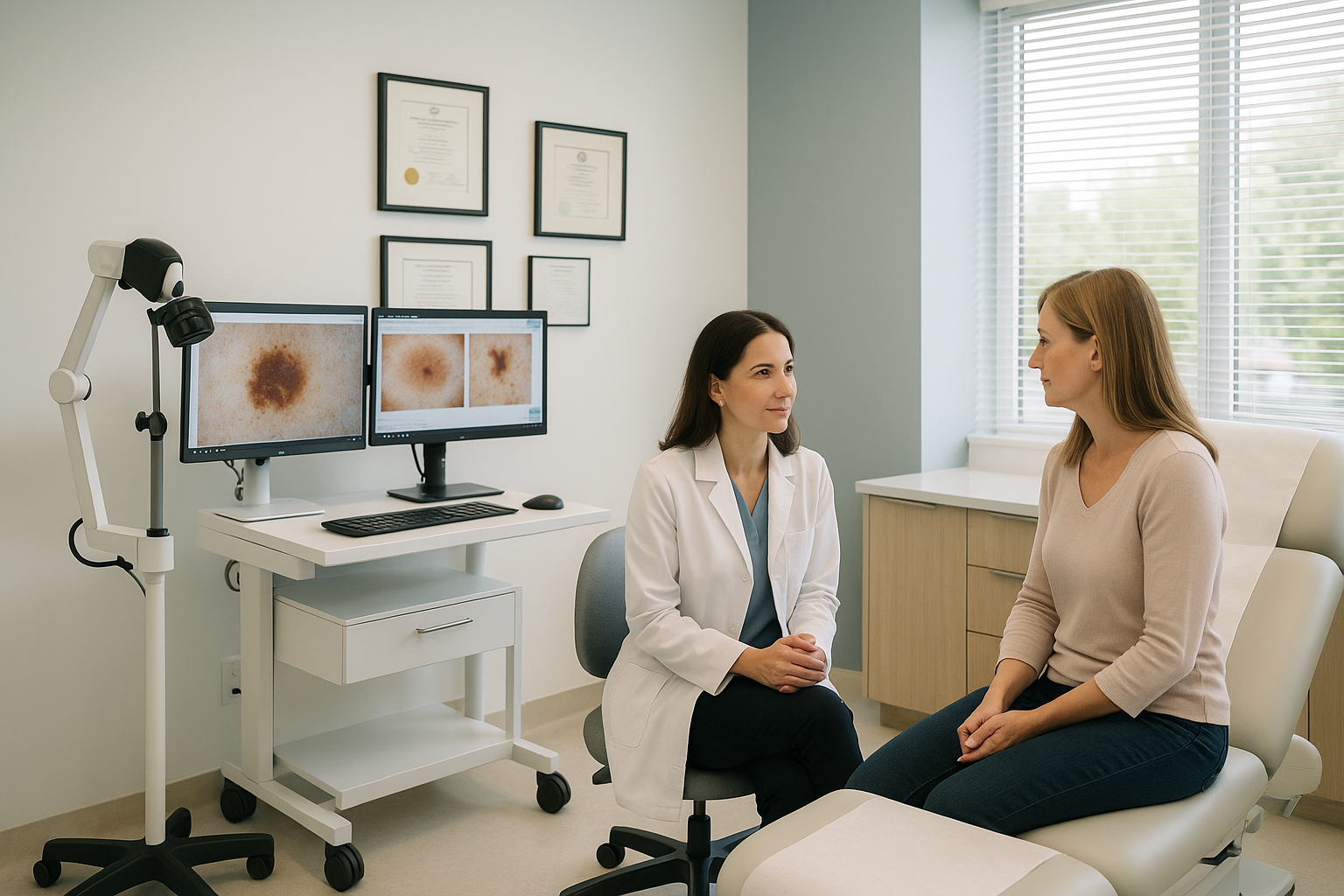
Dermoscopy represents a significant advancement in skin cancer screening ontario capabilities, providing magnified views of skin structures invisible to the unaided eye.
Technology and Benefits:
Handheld device with 10-40x magnification
Illumination reveals subsurface skin structures
Improves diagnostic accuracy by up to 35% compared to visual examination alone[2]
Non-invasive and painless procedure
Allows real-time assessment of concerning lesions
What Dermoscopy Reveals:
Pigment patterns and distribution
Vascular structures within lesions
Architectural features indicating benign or malignant growth
Subtle changes not visible during standard examination
Experienced clinicians at specialized centers like The Minor Surgery Center use dermoscopy as a standard component of comprehensive screening, significantly improving early detection rates.
Digital Body Mapping and Mole Tracking
For patients with numerous moles or elevated risk factors, digital body mapping provides the most comprehensive skin cancer screening ontario option available.
Advanced Technology Features:
Full-body photography documenting all visible skin
High-resolution images of individual lesions
Computer-assisted analysis comparing images over time
Digital mapping excels at detecting subtle changes that might otherwise go unnoticed, making it invaluable for high-risk patients requiring intensive monitoring.
Skin Biopsy: Definitive Diagnosis
When screening identifies suspicious lesions, a skin biopsy provides definitive diagnosis through laboratory analysis.
Biopsy Types:
Shave Biopsy
Removes surface layers of suspicious lesion
Quick outpatient procedure with local anesthetic
Minimal scarring
Suitable for raised lesions
Punch Biopsy
Removes cylindrical core of skin tissue
Provides deeper sample for analysis
Small circular wound requiring 1-2 stitches
Ideal for flat or pigmented lesions
Excisional Biopsy
Removes entire lesion plus margin of normal tissue
Both diagnostic and potentially therapeutic
Requires suturing and longer healing time
Recommended for suspected melanomas
Biopsy results typically return within 7-10 days, providing crucial information about cancer type, depth, and appropriate treatment strategies.
Where to Get Skin Cancer Screening Ontario: Choosing the Right Provider
Ontario offers multiple pathways for accessing skin cancer screening services, each with distinct advantages, wait times, and costs. Making an informed choice ensures timely, high-quality care.
Primary Care Physicians
Many Ontarians begin their screening journey with their family doctor, who can perform basic visual examinations and refer patients to specialists when necessary.
Advantages:
Covered by OHIP (Ontario Health Insurance Plan)
Established relationship with your healthcare provider
Convenient for routine check-ups
Can address other health concerns simultaneously
Limitations:
Limited dermoscopy equipment in many practices
Longer wait times for specialist referrals (often 3-6 months)
Variable expertise in dermatological assessment
May not offer advanced screening technologies
Dermatologists
Board-certified dermatologists specialize in skin conditions and provide expert-level screening services.
Advantages:
Specialized training in skin cancer detection
Access to advanced diagnostic equipment
Can perform biopsies and some treatments on-site
Highest level of diagnostic accuracy
Limitations:
Referral typically required from family physician
Significant wait times (averaging 4-8 months in Ontario)[3]
Limited availability in rural and northern regions
May focus primarily on medical dermatology rather than screening
Specialized Skin Cancer Clinics
Dedicated skin cancer screening facilities like The Minor Surgery Center represent the optimal choice for many Ontario residents seeking comprehensive, timely screening services.
Why The Minor Surgery Center Stands Out:
Accessibility and Convenience ⭐
No referral required—direct patient access
Minimal wait times (often same-week appointments)
Multiple locations across Ontario including Ajax and Barrie
Extended hours accommodating work schedules
Comprehensive Services Under One Roof
Complete skin cancer screening using latest technology
On-site dermoscopy and digital body mapping
Same-day biopsy capabilities when needed
Immediate treatment options for diagnosed cancers
Follow-up care and monitoring programs
Expertise and Specialization
Physicians specializing exclusively in skin cancer detection and treatment
Thousands of screenings performed annually
Advanced training in dermoscopy and lesion analysis
Focus on early detection and minimally invasive treatments
Advanced Technology
State-of-the-art dermoscopy equipment
Digital imaging and mole mapping systems
Modern surgical facilities for biopsies and excisions
Electronic medical records for seamless care continuity
Patient-Centered Approach
Thorough consultations explaining findings and recommendations
Educational resources about skin cancer prevention
Transparent pricing for services not covered by insurance
Comfortable, professional clinical environment
Cost Considerations
While OHIP covers many screening services when medically necessary, some advanced technologies and expedited access may involve out-of-pocket costs. The Minor Surgery Center provides transparent pricing and works with patients to ensure accessible care.
Many patients find that investing in private screening services offers significant value through:
Dramatically reduced wait times
Access to advanced screening technologies
Comprehensive care eliminating multiple appointments
Peace of mind from expert evaluation
Early detection potentially preventing costly treatments later
For most Ontario residents seeking comprehensive skin cancer screening ontario services, specialized clinics offer the ideal balance of expertise, technology, accessibility, and convenience.
The Skin Cancer Screening Process: What to Expect
Understanding what happens during a professional skin cancer screening helps patients prepare and ensures they maximize the value of their appointment.
Before Your Appointment
Preparation Steps:
📋 Document Your Concerns
Note any new or changing moles or skin lesions
Record when you first noticed changes
Photograph concerning areas for reference
List any symptoms (itching, bleeding, pain)
Medical History Preparation
Compile personal skin cancer history
Gather family history of skin cancer
List current medications and supplements
Note any immune system conditions
Practical Considerations
Remove nail polish (allows examination of nail beds)
Avoid makeup on day of appointment
Wear comfortable, easily removable clothing
Bring list of questions for your provider
During the Screening Appointment
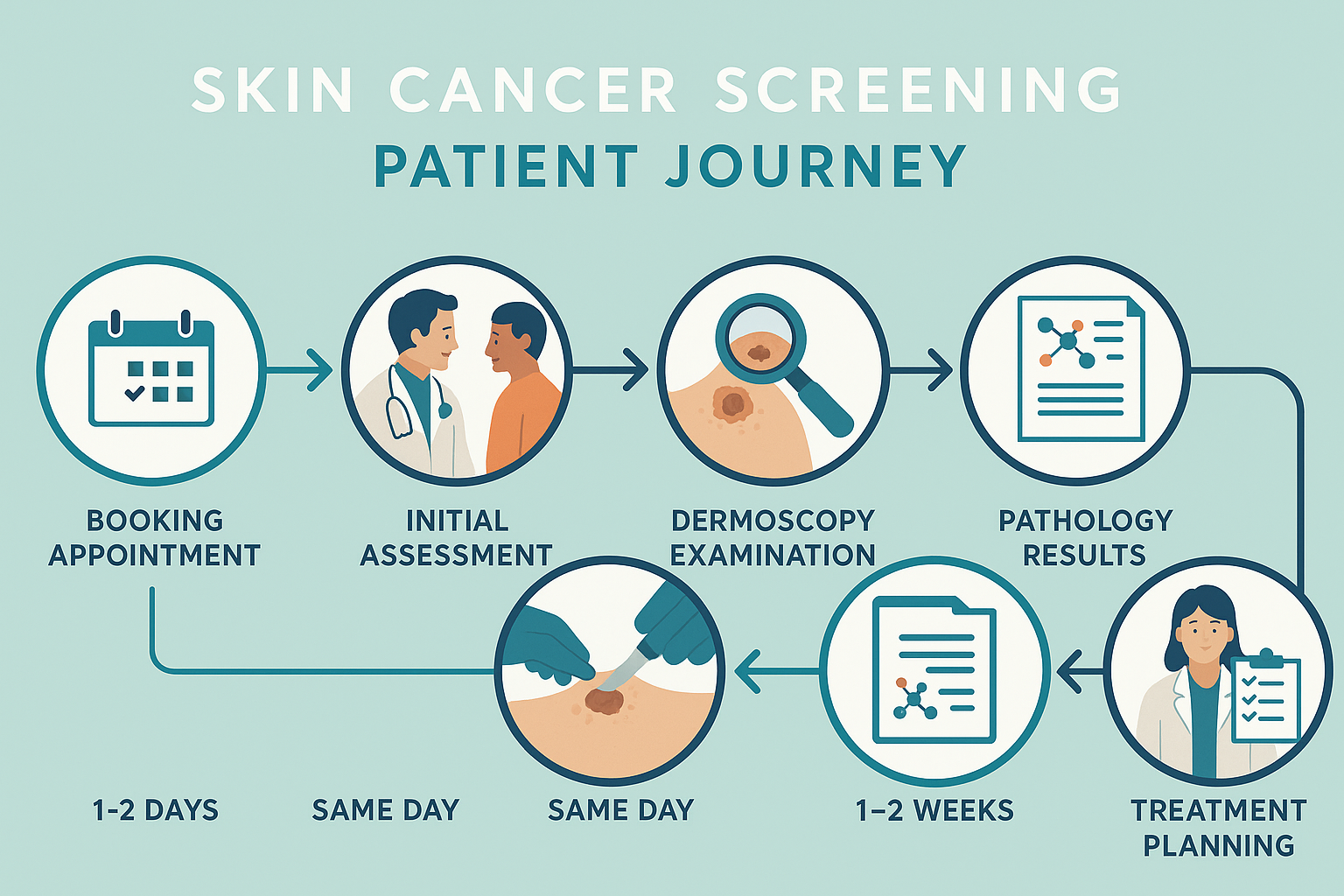
A comprehensive skin cancer screening ontario appointment typically follows this structured process:
Initial Consultation (10-15 minutes)
Discussion of medical and family history
Review of specific concerns or symptoms
Assessment of risk factors
Explanation of screening process
Full-Body Examination (15-30 minutes)
Systematic inspection of all skin surfaces
Examination of scalp, between toes, and other easily missed areas
Assessment of all moles, freckles, and lesions
Use of dermoscopy for suspicious areas
Detailed Documentation
Photography of concerning lesions
Measurements and descriptions recorded
Digital mapping if indicated
Comparison with previous images if available
Discussion and Recommendations
Explanation of findings in clear, understandable terms
Recommendations for biopsy if needed
Scheduling of follow-up appointments
Guidance on self-examination and prevention
Biopsy Procedure (if needed)
Local anesthetic administration
Quick removal of tissue sample
Wound care instructions provided
Scheduling of results consultation
After Your Screening
Immediate Follow-Up:
Receive written summary of examination findings
Understand timeline for biopsy results (if applicable)
Surgical excision: Complete removal with clear margins
Mohs surgery: Layer-by-layer removal ensuring complete cancer elimination
Cryotherapy: Freezing treatment for superficial cancers
Topical treatments: Medications for certain early-stage cancers
Radiation therapy: For cancers in difficult surgical locations
Ongoing Monitoring:
Regular follow-up screenings (frequency based on risk level)
Self-examination between professional appointments
Immediate evaluation of any new or changing lesions
Long-term surveillance for recurrence
Skin Cancer Prevention: Protecting Your Skin in Ontario's Climate
While screening detects existing cancers, prevention strategies reduce your risk of developing skin cancer in the first place. Ontario's variable climate requires year-round vigilance.
Sun Protection Fundamentals
Daily Sunscreen Use ☀️
Apply broad-spectrum SPF 30+ every day, regardless of weather
Reapply every two hours during outdoor activities
Use adequate amount (1 ounce for full body coverage)
What's the difference between a mole check and full skin cancer screening?
Mole Check:
Focuses on specific concerning lesions
Targeted examination of identified areas
May use dermoscopy for detailed evaluation
Typically shorter appointment
Full Skin Cancer Screening:
Comprehensive head-to-toe examination
Assessment of all skin surfaces
Identification of previously unnoticed lesions
More thorough and time-intensive
Recommended for complete evaluation
Comprehensive screening offers superior detection rates and is recommended for most patients.
Are skin cancer screenings painful?
The screening process itself is completely painless:
Visual examination involves only observation
Dermoscopy uses gentle contact with skin surface
Digital photography is non-invasive
Discomfort only occurs if biopsy is needed
Biopsies involve local anesthetic, causing only brief pinching sensation during injection, with no pain during the procedure itself.
What happens if they find something suspicious?
When screening identifies concerning lesions:
Immediate Discussion: Provider explains findings and concerns
Biopsy Recommendation: Sample taken for laboratory analysis
Results Timeline: Typically 7-10 days for pathology report
Follow-up Consultation: Discussion of results and treatment options
Treatment Planning: If cancer confirmed, appropriate intervention scheduled
Most biopsied lesions are benign, but when cancer is found, early detection through screening ensures the best treatment outcomes.
Can I get screened if I don't have any concerning spots?
Absolutely—and it's recommended! Many skin cancers develop without obvious warning signs. Screening aims to:
Establish baseline documentation of your skin
Identify subtle changes invisible to untrained eyes
Detect early-stage cancers before symptoms appear
Provide education about prevention and self-examination
Proactive screening offers the best opportunity for early detection and successful treatment.
Taking Action: Your Next Steps for Skin Cancer Screening Ontario
Early detection of skin cancer dramatically improves treatment outcomes and survival rates. Ontario residents have excellent access to comprehensive screening services, with specialized clinics offering advanced technology and expert care.
Immediate Action Steps
1. Schedule Your Screening Appointment 📅
Don't wait for concerning symptoms to appear. Proactive screening detects cancers in early, highly treatable stages.
High-risk individuals: Book appointment within the next month
Anyone with concerning changes: Seek immediate evaluation
The Minor Surgery Center offers convenient scheduling with minimal wait times across multiple Ontario locations.
2. Perform Monthly Self-Examinations
Between professional screenings, monthly self-checks help identify new or changing lesions:
Set a regular monthly reminder
Use good lighting and mirrors
Document concerning areas with photos
Report changes to your healthcare provider
3. Implement Sun Protection Strategies
Prevention reduces your lifetime skin cancer risk:
Apply broad-spectrum sunscreen daily
Wear protective clothing and hats
Seek shade during peak UV hours
Avoid tanning beds completely
4. Know Your Risk Factors
Understanding personal risk helps you make informed screening decisions:
Review family history with relatives
Document previous sun exposure and burns
Count moles and identify atypical ones
Discuss risk factors with healthcare provider
5. Educate Family Members
Skin cancer often runs in families. Share information about:
Importance of regular screening
Self-examination techniques
Sun protection strategies
Warning signs requiring evaluation
Choosing Your Screening Provider
When selecting where to receive skin cancer screening ontario services, consider:
Expertise and Specialization
Providers focusing specifically on skin cancer detection
Advanced training in dermoscopy and lesion analysis
High volume of screenings ensuring experience
Technology and Resources
Access to dermoscopy equipment
Digital body mapping capabilities
On-site biopsy services
Comprehensive treatment options
Accessibility and Convenience
Minimal wait times for appointments
Multiple location options
Extended hours accommodating work schedules
No referral requirements
Comprehensive Care
Screening, diagnosis, and treatment under one roof
Coordinated follow-up and monitoring
Patient education and support
Transparent communication
The Minor Surgery Center exemplifies these qualities, offering Ontario residents a premier destination for skin cancer screening and treatment. With convenient locations, advanced technology, and specialized expertise, patients receive comprehensive care without the lengthy delays typical of traditional referral pathways.
The Bottom Line
Skin cancer is highly treatable when detected early, but delayed diagnosis can lead to serious complications, extensive treatment, and potentially life-threatening outcomes. Regular professional screening combined with monthly self-examination and sun protection provides the best defense against skin cancer.
Ontario residents have access to excellent screening services, from OHIP-covered family physician examinations to specialized clinics offering advanced diagnostic technology. While wait times and access vary across providers, dedicated skin cancer screening centers deliver the optimal combination of expertise, technology, and convenience.
Don't wait for obvious warning signs to seek evaluation. Proactive screening detects cancers before they become symptomatic, ensuring the best possible outcomes. Whether you're at average risk or have specific concerns, professional skin cancer screening ontario services provide peace of mind and potentially life-saving early detection.
Conclusion
Skin cancer screening represents one of the most effective preventive health measures available to Ontario residents. With skin cancer rates continuing to rise across the province, regular professional examination combined with diligent self-monitoring and sun protection offers the best defense against this common but highly treatable disease.
The landscape of skin cancer screening ontario services has evolved significantly, offering patients multiple pathways to comprehensive care. While traditional routes through family physicians and dermatologists remain available, specialized clinics like The Minor Surgery Center have emerged as preferred options for many Ontarians seeking expert care without lengthy wait times.
Advanced screening technologies including dermoscopy and digital body mapping have revolutionized early detection capabilities, identifying subtle changes that might otherwise go unnoticed until cancers reach more advanced stages. These tools, combined with physician expertise in skin cancer detection, provide unprecedented accuracy in identifying malignancies when they're most treatable.
The key to successful skin cancer management lies in early detection. Cancers caught in their earliest stages boast cure rates exceeding 95%, often requiring only simple outpatient procedures. Delayed diagnosis, conversely, can necessitate extensive surgery, radiation, chemotherapy, and result in significant disfigurement or even death.
Every Ontario resident should prioritize skin cancer screening as a fundamental component of preventive healthcare. Those with elevated risk factors—fair skin, numerous moles, family history, previous skin cancer, or significant sun exposure—require particularly vigilant monitoring through professional screening and self-examination.
The investment in regular screening, whether through OHIP-covered services or private clinics offering enhanced access and technology, provides exceptional value. The peace of mind from expert evaluation, combined with the potentially life-saving benefits of early detection, far outweighs the modest time and financial commitments involved.
Take action today to protect your skin health. Schedule a comprehensive screening appointment, perform monthly self-examinations, implement rigorous sun protection strategies, and educate family members about skin cancer risks and prevention. Your future self will thank you for the proactive steps taken now to ensure early detection and optimal outcomes.
Remember Sarah's story from the beginning of this article—a simple screening appointment detected early-stage melanoma that could have become life-threatening if ignored. You have the power to write a similar success story through regular skin cancer screening ontario services and commitment to skin health. Don't wait for concerning symptoms to appear. Schedule your screening today and take control of your skin cancer risk.
References
[1] Canadian Cancer Society. (2024). Skin cancer statistics. Retrieved from Canadian Cancer Society website.
[2] Vestergaard, M. E., et al. (2008). Dermoscopy compared with naked eye examination for the diagnosis of primary melanoma: a meta-analysis of studies performed in a clinical setting. British Journal of Dermatology, 159(3), 669-676.
[3] Canadian Dermatology Association. (2024). Access to dermatological care in Canada. Retrieved from Canadian Dermatology Association reports.