Signs of Infection After Mole Removal: What to Watch For?

Every year, thousands of people undergo mole removal procedures for cosmetic or medical reasons. While most procedures heal without complications, knowing the signs of infection after mole removal: what to watch for? can mean the difference between a smooth recovery and a serious medical emergency. Imagine waking up three days after your procedure to find your wound site red, swollen, and oozing—would you know whether this is normal healing or a dangerous infection requiring immediate attention?

Understanding the warning signs of infection after mole removal empowers patients to take swift action when something goes wrong. This comprehensive guide will walk you through everything you need to know about identifying, preventing, and responding to post-procedure infections, ensuring your recovery stays on track.
Key Takeaways

  • Infection symptoms typically appear 2-5 days after mole removal and include increased redness, warmth, swelling, pus discharge, and fever above 100.4°F
  • Normal healing involves some redness and mild discomfort, but spreading redness beyond the wound site or worsening pain after 48 hours signals potential infection
  • Immediate medical attention is required if you experience fever, red streaks radiating from the wound, foul-smelling discharge, or severe pain
  • Proper wound care reduces infection risk by up to 70%, including keeping the area clean, dry, and covered with sterile dressings
  • High-risk patients including diabetics, immunocompromised individuals, and smokers need extra vigilance and may require prophylactic antibiotics

Understanding Mole Removal Procedures and Infection Risk

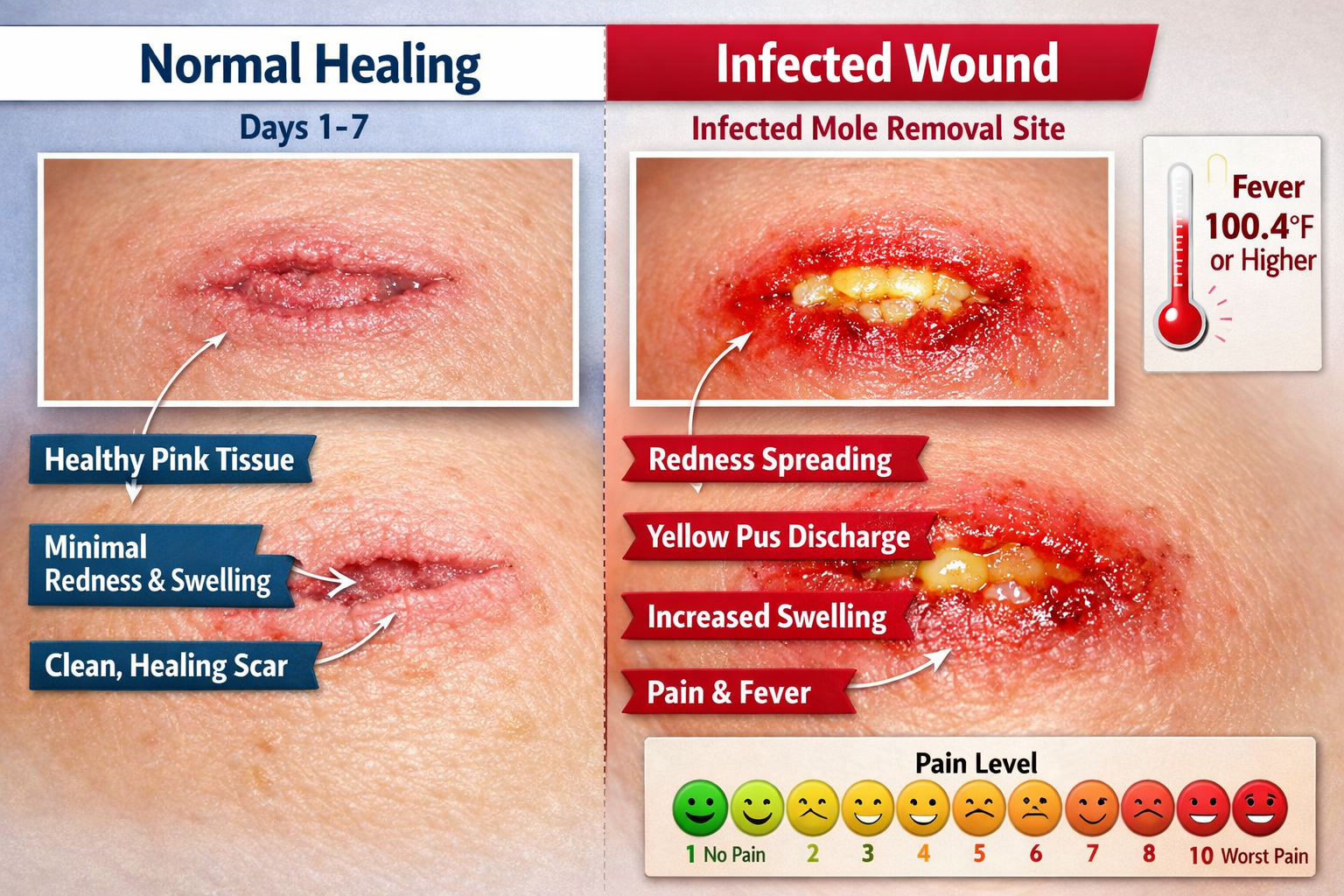
Detailed landscape format (1536x1024) medical infographic showing side-by-side comparison of normal healing versus infected mole removal sit

Mole removal is one of the most common minor surgical procedures performed worldwide. Whether you're having a mole removed for cosmetic reasons or medical evaluation, understanding the procedure helps you recognize when healing deviates from the normal path.

Types of Mole Removal Methods

Different removal techniques carry varying infection risks:

Surgical Excision involves cutting out the entire mole and a small margin of surrounding skin, then closing the wound with stitches. This method creates a deeper wound that takes longer to heal, typically 1-3 weeks depending on location and size.

Shave Excision removes the mole at skin level using a small blade, leaving the wound to heal naturally without stitches. This technique generally heals faster (7-14 days) but may carry slightly higher infection risk due to the open wound nature.

Laser Removal uses concentrated light beams to break down mole cells, often used for smaller, non-cancerous moles. While minimally invasive, laser removal still creates a wound vulnerable to infection.

Cryotherapy freezes the mole tissue using liquid nitrogen, causing it to fall off over several days. The resulting blister and scab formation requires careful monitoring for infection signs.

Why Infections Occur After Mole Removal

Every surgical procedure that breaks the skin barrier creates an opportunity for bacteria to enter the body. The skin serves as our first line of defense against pathogens, and when this protective barrier is compromised, even temporarily, infection becomes possible[1].

Common sources of post-procedure infection include:

  • Bacterial colonization from the patient's own skin flora (Staphylococcus aureus, Streptococcus species)
  • Environmental contamination during or after the procedure
  • Inadequate wound care including touching the wound with unwashed hands
  • Premature removal of protective dressings
  • Compromised immune response due to underlying health conditions

Studies show that infection rates after minor skin procedures range from 1-5% when proper sterile technique and post-operative care are followed[2]. However, this rate increases significantly with certain risk factors.

Risk Factors That Increase Infection Likelihood

Understanding your personal risk profile helps you maintain appropriate vigilance during recovery. High-risk factors include:

Risk FactorImpact on Infection RiskPrevention StrategyDiabetes2-3x increased riskOptimize blood sugar control before procedureSmoking2x increased riskQuit smoking 2-4 weeks before procedureImmunosuppression3-5x increased riskConsider prophylactic antibioticsPoor circulation2x increased riskElevate affected area, promote blood flowObesity1.5-2x increased riskExtra attention to wound hygieneAdvanced age (>65)1.5x increased riskEnhanced monitoring and follow-upSteroid use2-3x increased riskDiscuss with physician before procedure

Location also matters significantly. Moles removed from areas with higher bacterial colonization (groin, armpits, feet) or areas prone to friction and moisture carry elevated infection risk compared to facial or arm removals.

Signs of Infection After Mole Removal: What to Watch For in the First 48 Hours

The initial two days after mole removal represent a critical window for infection development. While some symptoms are part of normal healing, knowing the difference between expected post-procedure changes and early infection signs is crucial.

Normal Healing vs. Early Infection Indicators

Expected Normal Healing (First 48 Hours):

✅ Mild to moderate pain that improves with over-the-counter pain medication
✅ Light pink to red coloration immediately around the wound edges
✅ Slight swelling within 1-2 cm of the removal site
✅ Clear to slightly pink fluid drainage (serous drainage)
✅ Mild warmth at the wound site
✅ Formation of a thin scab or crust over the wound

Early Warning Signs of Infection (First 48 Hours):

⚠️ Pain that worsens rather than improves after 24 hours
⚠️ Bright red coloration that extends beyond the immediate wound area
⚠️ Swelling that increases rather than stabilizes
⚠️ Cloudy, yellow, or greenish discharge
⚠️ Increasing warmth that spreads beyond the wound
⚠️ Wound edges that separate or gape open
⚠️ Foul odor from the wound site

The "Red Flag" Rule for Early Detection

Medical professionals use the "Red Flag Rule" to help patients identify concerning symptoms early. If you notice any of these red flags within the first 48 hours, contact your healthcare provider:

🚩 Expanding Redness: Redness that spreads more than 2-3 cm from the wound edge
🚩 Increasing Pain: Pain intensity that rises instead of decreasing
🚩 Fever Development: Body temperature above 100.4°F (38°C)
🚩 Pus Formation: Thick, opaque, colored discharge
🚩 Red Streaking: Lines extending from the wound toward the heart

Documenting Your Healing Progress

Taking daily photos of your wound site provides invaluable documentation for tracking healing progress. Use these photography tips:

  • Take photos at the same time each day in consistent lighting
  • Include a ruler or coin for size reference
  • Photograph from the same angle and distance
  • Note any changes in symptoms in a healing journal
  • Share photos with your healthcare provider if concerns arise

This documentation becomes especially valuable if you need to consult with your physician remotely or if symptoms develop gradually over several days.

Recognizing Infection Signs Days 3-7 After Mole Removal

The 3-7 day post-procedure window represents the peak period for infection manifestation. By this time, initial inflammation should be subsiding, and healing should progress steadily. Any deviation from this pattern warrants careful attention.

Progressive Infection Symptoms to Monitor

Day 3-4 Infection Indicators:

During this period, normal healing shows steady improvement with decreasing redness, swelling, and pain. Infection signs that may emerge include:

  • Purulent Discharge: Thick, opaque drainage in yellow, green, or brown colors indicates bacterial infection. The amount may range from small spots on the bandage to continuous oozing requiring frequent dressing changes.
  • Increased Erythema: The medical term for redness, erythema that expands beyond the initial wound area suggests spreading infection. Measure the redness diameter daily—expansion of more than 1 cm per day signals progressive infection.
  • Wound Dehiscence: Separation of wound edges that were previously closed with stitches or had begun healing. This creates a larger opening vulnerable to deeper infection.
  • Lymph Node Swelling: Tender, swollen lymph nodes near the removal site (neck nodes for facial moles, armpit nodes for arm moles, groin nodes for leg moles) indicate your immune system is fighting infection.

Day 5-7 Infection Progression:

If infection goes untreated, symptoms typically worsen during this period:

  • Abscess Formation: A pocket of pus may develop under the skin, creating a firm, painful lump. Abscesses require medical drainage and cannot resolve with antibiotics alone.
  • Cellulitis Development: Bacterial infection spreading into deeper skin layers causes extensive redness, warmth, swelling, and a characteristic "orange peel" texture to the skin (peau d'orange)[3].
  • Systemic Symptoms: Fever, chills, body aches, fatigue, and general malaise indicate bacteria have entered the bloodstream (bacteremia), requiring urgent medical intervention.
  • Delayed Healing: The wound shows no signs of improvement or actually appears worse than it did on day 3, with increased drainage, odor, or tissue breakdown.

Understanding Discharge Types and What They Mean

Not all wound drainage indicates infection. Understanding different discharge types helps you assess severity:

Discharge TypeColorConsistencySignificanceAction RequiredSerousClear to pale yellowThin, wateryNormal healingContinue routine careSerosanguineousPink, light redThin with blood tingeNormal early healingContinue routine careSanguineousBright redThin, bloodyMay indicate traumaApply pressure, monitorPurulentYellow, green, brownThick, opaqueBacterial infectionContact provider immediatelySeropurulentCloudy yellow-pinkModerately thickEarly infectionContact provider within 24 hours

The volume of discharge also matters. A small amount of serous drainage is expected, but soaking through multiple bandages daily suggests either excessive inflammation or infection.

Pain Patterns That Signal Infection

Pain assessment provides crucial infection clues. Normal post-procedure pain follows a predictable pattern:

Normal Pain Trajectory:

  • Day 1-2: Moderate pain (4-6 on 10-point scale), manageable with over-the-counter medication
  • Day 3-4: Mild pain (2-4 on scale), decreasing frequency and intensity
  • Day 5-7: Minimal pain (0-2 on scale), only with direct pressure or movement

Infection Pain Patterns:

  • Throbbing Pain: Persistent pulsating sensation that worsens over time
  • Increasing Intensity: Pain that rises instead of falling on the pain scale
  • Radiating Pain: Discomfort that spreads beyond the immediate wound area
  • Night Pain: Severe pain that disrupts sleep, especially after day 3
  • Pain with Pressure: Extreme tenderness when gently touching the area around the wound

If you're experiencing abnormal pain patterns, especially when combined with other infection signs, seeking medical evaluation is essential. For those in the Greater Toronto Area, specialized clinics in Barrie offer expert mole removal and post-operative care.

Advanced Infection Signs Requiring Immediate Medical Attention

Certain infection symptoms represent medical emergencies that require immediate professional intervention. Delaying treatment when these signs appear can lead to serious complications including sepsis, tissue necrosis, or chronic wound problems.

Emergency Symptoms: When to Seek Urgent Care

🚨 Call 911 or Go to Emergency Department If You Experience:

Sepsis Warning Signs: Sepsis is a life-threatening condition where infection spreads throughout the bloodstream, triggering a systemic inflammatory response. Recognize it with the acronym SEPSIS:

  • Shaking or extreme shivering
  • Extreme pain or discomfort
  • Pale or discolored skin
  • Sleepiness, difficulty waking, confusion
  • I"I feel like I might die" sensation
  • Shortness of breath

Necrotizing Infection Signs: Rare but devastating, necrotizing soft tissue infections destroy skin, fat, and muscle tissue rapidly. Warning signs include:

  • Severe pain disproportionate to visible wound appearance
  • Skin that appears dusky, purple, or black
  • Blisters or bullae filled with dark fluid
  • Crepitus (crackling sensation) when touching the skin
  • Rapid progression of symptoms over hours
  • Extreme tenderness extending far beyond the wound

Spreading Lymphangitis: Red streaks extending from the wound toward the torso indicate bacterial spread through lymphatic vessels. This requires immediate antibiotic intervention to prevent systemic infection.

Understanding Fever in Post-Mole Removal Context

Fever represents your body's immune response to infection, but not all post-procedure fevers indicate serious problems. Understanding fever patterns helps determine urgency:

Low-Grade Fever (99.5-100.4°F / 37.5-38°C):

  • May occur in first 24-48 hours as normal inflammatory response
  • Usually resolves without intervention
  • Monitor closely if persists beyond 48 hours
  • Increase fluid intake and rest

Moderate Fever (100.5-102°F / 38.1-38.9°C):

  • Suggests active infection requiring medical evaluation
  • Contact healthcare provider within 24 hours
  • Document fever patterns (time, temperature, associated symptoms)
  • Continue monitoring other infection signs

High Fever (>102°F / >38.9°C):

  • Indicates significant infection or systemic involvement
  • Requires same-day medical evaluation
  • May need emergency department visit if accompanied by other severe symptoms
  • Risk of bacteremia or sepsis

Fever with Rigors (uncontrollable shaking chills):

  • Strong indicator of bacteremia (bacteria in bloodstream)
  • Requires immediate medical attention regardless of temperature
  • Often precedes sepsis development

Complications from Untreated Infections

Failing to address infection signs promptly can lead to serious complications:

Abscess Formation and Chronic Infection: Untreated bacterial infections often wall off into abscess cavities filled with pus. These require surgical drainage (incision and drainage procedure) and cannot be cleared with antibiotics alone. Chronic abscesses may require multiple drainage procedures and prolonged antibiotic courses.

Cellulitis and Deep Tissue Involvement: Surface infections can spread into deeper skin layers (dermis and subcutaneous tissue), causing extensive cellulitis. Severe cases may require hospitalization for intravenous antibiotics, especially if skin cancer screening revealed concerning pathology requiring additional procedures.

Scarring and Cosmetic Complications: Infected wounds heal poorly, often resulting in:

  • Hypertrophic scars (raised, thick scars)
  • Keloid formation (overgrowth of scar tissue)
  • Hyperpigmentation or hypopigmentation
  • Wound contracture causing skin tightness
  • Irregular skin texture or contour

Systemic Infection: Bacteria entering the bloodstream can seed distant organs, causing:

  • Endocarditis (heart valve infection)
  • Osteomyelitis (bone infection)
  • Septic arthritis (joint infection)
  • Organ abscesses (liver, kidney, brain)

The mortality rate for severe sepsis ranges from 10-20%, while septic shock carries mortality rates of 40-50%[4]. These statistics underscore the critical importance of recognizing and treating infection signs early.

Preventing Infection: Best Practices for Wound Care After Mole Removal

Prevention remains the most effective strategy against post-procedure infections. Following evidence-based wound care protocols reduces infection risk by up to 70%[5]. Understanding and implementing proper care techniques protects your healing wound.

The First 24 Hours: Critical Initial Care

The immediate post-procedure period sets the foundation for successful healing. Your healthcare provider will apply an initial dressing during the procedure, but understanding proper care from the moment you leave the clinic is essential.

Immediate Post-Procedure Instructions:

Keep the Initial Dressing Intact: Unless instructed otherwise, leave the original dressing in place for 24 hours. This protective barrier shields the wound from environmental bacteria during the most vulnerable period.

Avoid Water Exposure: Keep the wound completely dry for the first 24 hours. This means:

  • No showers or baths that would wet the dressing
  • No swimming or soaking
  • Careful sponge bathing around the area
  • Protection from rain or accidental splashing

Minimize Physical Activity: Restrict movement that could stress the wound site:

  • Avoid strenuous exercise or heavy lifting
  • Limit stretching or bending that pulls on the wound
  • Keep the affected area elevated when possible to reduce swelling
  • Avoid activities that cause sweating near the wound

Ice Application (If Recommended): Some providers recommend ice packs to reduce swelling:

  • Apply for 15-20 minutes every 2-3 hours
  • Always use a barrier (towel) between ice and dressing
  • Never apply ice directly to skin
  • Discontinue if numbness or increased pain occurs

Pain Management: Take prescribed or recommended pain medication as directed:

  • Start pain medication before the local anesthetic wears off
  • Take with food to prevent stomach upset
  • Avoid aspirin or NSAIDs if they increase bleeding risk (follow your provider's specific instructions)
  • Document pain levels to track healing progress

Days 2-7: Establishing Your Care Routine

After the initial 24-hour period, you'll transition to active wound care. This phase requires diligent attention to cleaning, dressing changes, and monitoring.

Proper Wound Cleaning Technique:

  1. Hand Hygiene First: Wash hands thoroughly with soap and water for at least 20 seconds before touching the wound or supplies
  2. Gentle Dressing Removal:
    • Soak stubborn dressings with sterile saline to prevent trauma
    • Pull parallel to skin rather than straight up
    • Never force removal if dressing is stuck to wound
  3. Wound Cleansing:
    • Use sterile saline solution or clean lukewarm water
    • Gently irrigate the wound to remove debris
    • Pat dry with clean gauze (never rub)
    • Avoid hydrogen peroxide or alcohol, which damage healing tissue
  4. Antibiotic Ointment Application (if recommended):
    • Apply thin layer of prescribed ointment
    • Common options include bacitracin, mupirocin, or polysporin
    • Avoid neomycin-containing products if you have allergies
  5. Fresh Dressing Application:
    • Use sterile, non-adherent dressing
    • Cover completely with adequate overlap
    • Secure with medical tape or adhesive bandage
    • Ensure dressing is snug but not tight

Dressing Change Frequency: Most wounds require dressing changes once or twice daily, or whenever the dressing becomes wet or soiled. Your healthcare provider will give specific instructions based on your procedure type and wound characteristics.

Week 2 and Beyond: Transitioning Care

As healing progresses, care requirements typically decrease, but vigilance remains important.

When to Stop Covering the Wound: Once the wound has sealed (no drainage, intact scab or closed incision), you may transition to leaving it uncovered. This usually occurs around day 7-14 but varies by individual. Benefits of air exposure include:

  • Faster drying and scab formation
  • Reduced moisture that bacteria need to multiply
  • Easier monitoring for changes
  • Improved comfort

Suture Removal Timeline: If your mole removal involved stitches, removal timing depends on location:

  • Face: 5-7 days
  • Scalp: 7-10 days
  • Trunk: 10-14 days
  • Arms/legs: 10-14 days
  • Hands/feet: 14-21 days

Never attempt to remove sutures yourself unless specifically instructed. Premature removal risks wound dehiscence, while delayed removal can cause stitch marks or infection.

Scar Management: Once the wound has completely healed (typically 2-3 weeks), begin scar prevention:

  • Apply silicone gel sheets or ointment
  • Massage the scar gently to break up adhesions
  • Protect from sun exposure with SPF 30+ sunscreen
  • Consider vitamin E or specialized scar creams
  • Discuss advanced options (laser therapy, steroid injections) with your provider if needed

For comprehensive information about various skin lesions and their removal, educational resources can help you understand what to expect during healing.

Lifestyle Modifications During Healing

Certain lifestyle adjustments accelerate healing and reduce infection risk:

Nutrition for Wound Healing:

  • Protein: 1.2-1.5 grams per kilogram body weight daily supports tissue repair
  • Vitamin C: 500-1000 mg daily enhances collagen synthesis
  • Zinc: 15-30 mg daily improves immune function
  • Vitamin A: Supports epithelialization and immune response
  • Hydration: 8-10 glasses of water daily maintains tissue perfusion

Sleep and Stress Management:

  • Aim for 7-9 hours of quality sleep nightly
  • Elevated stress hormones impair immune function
  • Practice relaxation techniques to support healing
  • Avoid sleep deprivation, which increases infection susceptibility

Smoking Cessation: If you smoke, quitting dramatically improves healing:

  • Smoking reduces oxygen delivery to tissues by up to 50%
  • Nicotine causes vasoconstriction, limiting blood flow to wounds
  • Smoking increases infection risk 2-3 fold
  • Even temporary cessation during healing provides benefits

Alcohol Limitation: Excessive alcohol consumption:

  • Impairs immune system function
  • Interferes with medication effectiveness
  • Causes dehydration affecting wound healing
  • Limit to no more than 1 drink daily during recovery

Special Considerations for High-Risk Patients

Certain patient populations face elevated infection risks and require modified care approaches. If you fall into any high-risk category, discuss enhanced precautions with your healthcare provider before undergoing mole removal.

Diabetes and Wound Healing Challenges

Diabetes significantly impacts wound healing through multiple mechanisms:

Impaired Immune Function: Elevated blood glucose levels reduce white blood cell effectiveness, decreasing the body's ability to fight bacteria. Studies show diabetics have 2-3 times higher infection rates after minor surgical procedures[6].

Reduced Blood Flow: Diabetes damages small blood vessels (microvascular disease), limiting oxygen and nutrient delivery to healing tissues. Poor perfusion slows healing and increases infection susceptibility.

Neuropathy Effects: Diabetic nerve damage may prevent patients from feeling pain that would normally signal infection, leading to delayed recognition and treatment.

Enhanced Precautions for Diabetic Patients:

  • Optimize Glucose Control: Target blood sugar levels below 180 mg/dL before and after procedure
  • More Frequent Monitoring: Check wound twice daily instead of once daily
  • Extended Antibiotic Coverage: Some providers prescribe prophylactic antibiotics for diabetic patients
  • Professional Wound Checks: Schedule follow-up appointments at days 3, 7, and 14 post-procedure
  • Podiatry Consultation: For moles on feet or lower legs, involve podiatry specialists
  • Vascular Assessment: Consider vascular studies if circulation concerns exist

Immunocompromised Patients

Patients with weakened immune systems face the highest infection risks. Immunocompromising conditions include:

  • HIV/AIDS
  • Cancer and chemotherapy treatment
  • Organ transplant recipients taking immunosuppressants
  • Autoimmune diseases (lupus, rheumatoid arthritis)
  • Chronic steroid use
  • Immunodeficiency disorders

Modified Care Protocols:

  • Prophylactic Antibiotics: Often prescribed starting before the procedure and continuing 5-7 days post-procedure
  • Sterile Technique: Enhanced sterility during dressing changes, potentially requiring sterile gloves
  • Frequent Provider Contact: Phone or video check-ins every 2-3 days
  • Lower Threshold for Intervention: Treat any questionable symptoms aggressively rather than waiting
  • Specialty Coordination: Coordinate care with oncologist, infectious disease specialist, or immunologist

Elderly Patients and Age-Related Factors

Aging affects wound healing through several pathways:

Physiological Changes:

  • Thinner, more fragile skin prone to trauma
  • Reduced collagen production slowing repair
  • Decreased immune response
  • Multiple medications potentially affecting healing
  • Comorbid conditions (diabetes, vascular disease)

Social Factors:

  • Potential difficulty performing wound care independently
  • Vision or dexterity limitations
  • Cognitive changes affecting compliance
  • Limited social support or caregiver assistance

Adapted Care Strategies:

  • Simplified Protocols: Reduce complexity of care instructions
  • Caregiver Education: Involve family members or home health aides in wound care training
  • Pre-filled Supplies: Prepare daily wound care kits to reduce confusion
  • Medication Reconciliation: Review all medications for interactions or healing interference
  • Enhanced Follow-up: More frequent professional wound assessments
  • Home Health Services: Consider visiting nurse services for wound care assistance

Patients on Specific Medications

Several medication classes affect wound healing and infection risk:

Anticoagulants and Antiplatelet Agents:

  • Warfarin, rivaroxaban, apixaban, clopidogrel, aspirin
  • Increase bleeding risk and hematoma formation
  • Hematomas can become infected or impair healing
  • May require temporary discontinuation (only under physician guidance)
  • Enhanced monitoring for bleeding or bruising

Corticosteroids:

  • Prednisone, methylprednisolone, dexamethasone
  • Suppress immune response and inflammatory healing phase
  • Increase infection risk 2-3 fold
  • Impair collagen synthesis and tissue strength
  • May require stress-dose steroids during procedure
  • Cannot be abruptly discontinued

Immunosuppressants:

  • Methotrexate, azathioprine, cyclosporine, tacrolimus
  • Dramatically increase infection susceptibility
  • May require dose adjustment or temporary hold
  • Prophylactic antibiotics often necessary
  • Close coordination with prescribing specialist essential

Chemotherapy Agents:

  • Timing of mole removal relative to chemotherapy cycles critical
  • Nadir period (lowest white blood cell counts) carries highest infection risk
  • Coordinate with oncologist for optimal timing
  • Enhanced infection monitoring essential

If you're on any of these medications, never adjust doses without physician guidance. The risks of stopping certain medications may outweigh infection concerns, requiring individualized risk-benefit analysis.

When to Contact Your Healthcare Provider

Knowing when to reach out for professional guidance prevents both unnecessary anxiety and dangerous delays in treatment. Understanding the difference between routine follow-up questions and urgent concerns helps you communicate effectively with your healthcare team.

Routine Follow-Up vs. Urgent Concerns

Routine Questions (Can Wait for Regular Office Hours):

  • Clarification about wound care instructions
  • Questions about when to resume normal activities
  • Cosmetic concerns about scarring
  • Mild itching around the healing wound (common and normal)
  • Questions about scar treatment options
  • Scheduling of suture removal appointment
  • Requests for pathology report results

Same-Day Contact Needed (Call Within Business Hours):

  • Slight increase in redness not rapidly spreading
  • Mild increase in pain after several days of improvement
  • Small amount of cloudy drainage
  • Low-grade fever (99.5-100.4°F) without other symptoms
  • Wound edges beginning to separate slightly
  • Questions about whether symptoms are normal
  • Dressing adhesive causing skin irritation

Urgent Contact Needed (Call Immediately, Even After Hours):

  • Fever above 100.4°F (38°C)
  • Rapidly spreading redness
  • Significant increase in pain or swelling
  • Purulent (pus) drainage
  • Red streaks extending from wound
  • Wound completely opening or separating
  • Signs of systemic illness (chills, confusion, extreme fatigue)
  • Suspected allergic reaction to medications

Emergency Department Visit (Do Not Wait):

  • Fever above 102°F (38.9°C)
  • Uncontrollable shaking chills
  • Signs of sepsis (confusion, extreme pain, shortness of breath)
  • Suspected necrotizing infection (severe pain, skin discoloration)
  • Inability to reach your healthcare provider with urgent concerns

Preparing for Your Call or Visit

When contacting your healthcare provider about potential infection, prepare this information:

Essential Details to Share:

  1. Procedure Information:
    • Date of mole removal
    • Removal method used
    • Location on body
    • Whether sutures were placed
  2. Symptom Timeline:
    • When symptoms started
    • How symptoms have progressed
    • Whether symptoms are worsening, improving, or stable
  3. Current Symptoms:
    • Pain level (0-10 scale)
    • Temperature if fever present
    • Description of discharge (color, amount, odor)
    • Extent of redness (measure diameter)
    • Any systemic symptoms
  4. Care Provided:
    • Wound care routine followed
    • Medications taken
    • Any deviations from instructions
  5. Medical History:
    • Relevant conditions (diabetes, immunosuppression)
    • Current medications
    • Drug allergies
    • Previous wound healing problems

Photos to Provide: Take clear, well-lit photos of the wound site from multiple angles. Include a ruler or coin for size reference. Many healthcare providers now accept secure photo uploads through patient portals, enabling remote assessment.

What to Expect During Evaluation

If your healthcare provider determines an in-person evaluation is needed, here's what typically occurs:

Physical Examination:

  • Visual inspection of wound site
  • Palpation to assess warmth, tenderness, and fluctuance (fluid collection)
  • Measurement of erythema extent
  • Lymph node examination
  • Vital sign assessment (temperature, blood pressure, heart rate)

Diagnostic Testing (If Indicated):

  • Wound Culture: Swab of drainage to identify bacteria and antibiotic sensitivities
  • Blood Tests: Complete blood count (CBC) to assess white blood cell elevation, blood cultures if sepsis suspected
  • Imaging: Ultrasound or CT scan if abscess or deep infection suspected

Treatment Options:

  • Oral Antibiotics: First-line treatment for mild to moderate infections, typically 7-14 day course
  • Wound Debridement: Removal of dead or infected tissue to promote healing
  • Incision and Drainage: Surgical opening of abscesses to drain pus
  • Wound Culture-Directed Therapy: Adjustment of antibiotics based on culture results
  • Intravenous Antibiotics: Hospitalization for severe infections requiring IV medication
  • Wound Vacuum Therapy: Advanced treatment for complex or slow-healing infected wounds

For patients seeking specialized care, expert clinics provide comprehensive mole removal services with robust post-operative support and infection management protocols.
Understanding Antibiotic Treatment for Post-Removal Infections

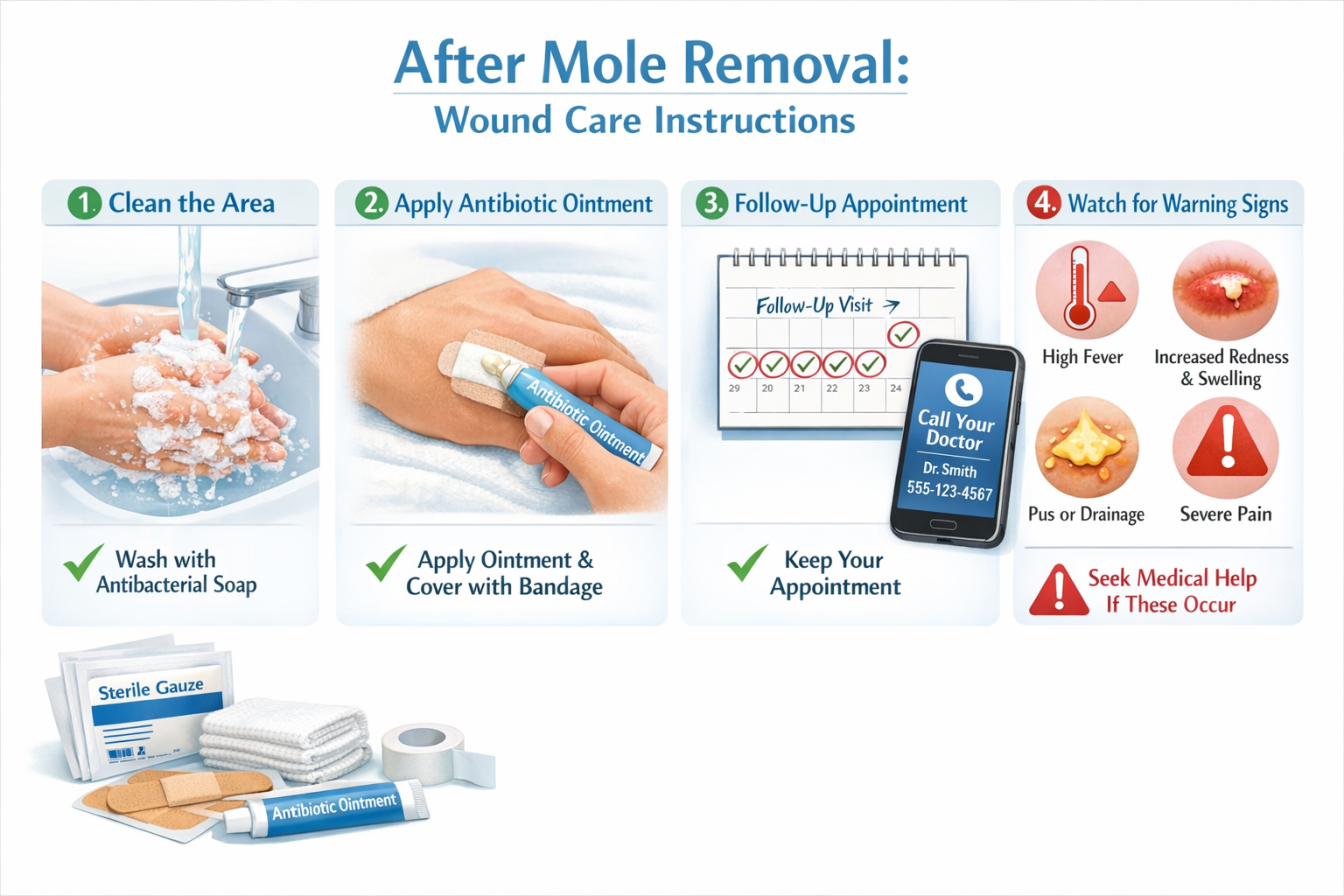
Professional landscape format (1536x1024) medical care instruction visual featuring clean white background with organized layout showing pro

When infection occurs despite preventive measures, antibiotic therapy becomes necessary. Understanding antibiotic treatment helps ensure optimal outcomes and prevents complications like antibiotic resistance.

Common Antibiotics for Skin Infections

Healthcare providers select antibiotics based on likely bacterial pathogens, infection severity, and patient factors. Common choices include:

First-Line Oral Antibiotics:

Cephalexin (Keflex):

  • Dosage: 500 mg every 6-12 hours
  • Duration: 7-10 days
  • Covers: Streptococcus and methicillin-sensitive Staphylococcus aureus (MSSA)
  • Side effects: Diarrhea, nausea, allergic reactions
  • Caution: Use alternative if penicillin allergy

Dicloxacillin:

  • Dosage: 500 mg every 6 hours
  • Duration: 7-10 days
  • Covers: Excellent MSSA coverage
  • Side effects: GI upset, rash
  • Note: Take on empty stomach for best absorption

Trimethoprim-Sulfamethoxazole (Bactrim):

  • Dosage: One double-strength tablet twice daily
  • Duration: 7-10 days
  • Covers: MRSA (methicillin-resistant Staph aureus), MSSA
  • Side effects: Rash, photosensitivity, GI upset
  • Caution: Avoid if sulfa allergy, drink plenty of water

Doxycycline:

  • Dosage: 100 mg twice daily
  • Duration: 7-10 days
  • Covers: MRSA, MSSA, Streptococcus
  • Side effects: Photosensitivity, esophagitis, GI upset
  • Note: Take with food, avoid lying down for 30 minutes after dose

Clindamycin:

  • Dosage: 300-450 mg every 6-8 hours
  • Duration: 7-10 days
  • Covers: MRSA, MSSA, Streptococcus
  • Side effects: Diarrhea, C. difficile colitis risk
  • Caution: Stop immediately if severe diarrhea develops

Completing Your Antibiotic Course

Why Full Completion Matters: Stopping antibiotics early, even when symptoms improve, allows surviving bacteria to multiply and potentially develop resistance. Studies show that incomplete antibiotic courses contribute significantly to antibiotic-resistant infections[7].

Adherence Strategies:

  • Set phone alarms for dose times
  • Use pill organizers to track daily doses
  • Link doses to daily routines (meals, bedtime)
  • Keep antibiotics visible as reminders
  • Inform family members to help with accountability

Managing Side Effects: Most antibiotic side effects are mild and manageable:

  • Nausea: Take with food (unless instructed otherwise)
  • Diarrhea: Consume probiotics, stay hydrated, eat bland foods
  • Yeast Infections: Consider prophylactic antifungal if prone to yeast infections
  • Photosensitivity: Use sunscreen, limit sun exposure
  • Allergic Reactions: Contact provider immediately for rash, hives, or difficulty breathing

When Antibiotics Aren't Working

Occasionally, initial antibiotic therapy fails to resolve infection. Warning signs include:

  • No improvement in symptoms after 48-72 hours of antibiotics
  • Worsening symptoms despite treatment
  • Development of new symptoms (fever, increased pain)
  • Persistent or increasing drainage

Reasons for Treatment Failure:

  • Antibiotic-resistant bacteria (MRSA, resistant Streptococcus)
  • Abscess requiring drainage in addition to antibiotics
  • Wrong antibiotic choice for actual bacteria present
  • Inadequate antibiotic dosage or absorption
  • Underlying factors impairing healing (diabetes, immunosuppression)

Next Steps: Contact your healthcare provider if symptoms don't improve within 48-72 hours. You may need:

  • Different antibiotic based on culture results
  • Surgical drainage of abscess
  • Intravenous antibiotic therapy
  • Hospitalization for severe or complicated infections

The Role of Pathology Reports in Post-Removal Care

While infection monitoring focuses on wound healing, understanding your pathology report provides crucial information about the removed mole and may influence your follow-up care strategy.

Understanding Your Pathology Results

After mole removal, the tissue is sent to a pathology laboratory where a pathologist examines it under a microscope. The report typically arrives 7-14 days after the procedure and includes:

Specimen Description: Details about the tissue received (size, color, characteristics)

Microscopic Findings: What the pathologist observed at cellular level

Diagnosis: The final determination of what the mole represents

Common Pathology Diagnoses:

Benign Nevus (Mole): Normal, non-cancerous mole requiring no further treatment

Dysplastic Nevus: Atypical mole with abnormal features that may require closer monitoring

Melanoma: Skin cancer requiring additional treatment and oncology referral

Basal Cell Carcinoma: Common skin cancer usually requiring margin evaluation

Squamous Cell Carcinoma: Skin cancer requiring assessment of invasion depth and margins

Margin Status: Critical information indicating whether the entire abnormal tissue was removed:

  • Clear margins: Abnormal cells don't extend to specimen edges (good result)
  • Positive margins: Abnormal cells present at edges (may need additional removal)
  • Close margins: Abnormal cells near but not at edges (may need re-excision depending on type)

When Pathology Results Affect Infection Risk

Certain pathology findings may influence infection monitoring:

Melanoma or Other Cancers: If skin cancer is diagnosed, additional surgical procedures may be needed. Multiple procedures increase cumulative infection risk and require extended vigilance.

Positive Margins: Requiring re-excision means a second wound in the same area, potentially while the first wound is still healing. This complicates wound care and increases infection vulnerability.

Immunosuppressive Treatments: If pathology reveals cancer requiring chemotherapy, radiation, or immunotherapy, these treatments will significantly impact wound healing and infection risk for any future procedures.

Follow-Up Care Based on Results

Your pathology results determine necessary follow-up:

Benign Results:

  • Routine wound care until healed
  • No additional medical follow-up needed
  • Continue regular skin self-examinations
  • Annual dermatology check-ups for new or changing moles

Atypical/Dysplastic Nevi:

  • Healed wound monitoring for changes
  • More frequent skin examinations (every 6-12 months)
  • Possible mole mapping for comprehensive monitoring
  • Family screening if multiple atypical moles present

Skin Cancer Diagnoses:

  • Oncology or dermatology referral
  • Discussion of additional treatment needs
  • Comprehensive skin examination for other lesions
  • Long-term surveillance program
  • Lymph node examination for certain cancer types

Understanding your pathology results empowers you to participate actively in your ongoing care and make informed decisions about future monitoring and treatment.

Long-Term Monitoring and Scar Management

Once infection risk has passed and initial healing is complete (typically 2-3 weeks), attention shifts to long-term wound site monitoring and scar optimization.

Normal Scar Evolution Timeline

Scars undergo predictable changes over 12-18 months:

Weeks 2-6 (Proliferative Phase):

  • Scar appears red or pink
  • Slightly raised above surrounding skin
  • May feel firm or hard
  • Itching common as nerves regenerate
  • Most noticeable scar appearance

Months 2-6 (Early Remodeling):

  • Color begins fading toward normal skin tone
  • Height gradually decreases
  • Texture softens somewhat
  • Itching typically resolves
  • Scar becomes less noticeable

Months 6-18 (Mature Remodeling):

  • Continued color fading
  • Flattening to skin level (most scars)
  • Texture approaches normal skin
  • Final scar appearance achieved
  • May remain slightly visible or become nearly invisible

Factors Affecting Scar Appearance:

  • Location (face scars typically heal better than trunk/extremity scars)
  • Age (younger patients may develop more prominent scars)
  • Skin type (darker skin tones more prone to hyperpigmentation)
  • Genetics (family history of keloid or hypertrophic scarring)
  • Infection history (infected wounds scar more prominently)
  • Tension on wound (high-movement areas scar more)

Scar Optimization Strategies

Sun Protection: UV exposure darkens scars and prevents normal fading:

  • Apply SPF 30+ sunscreen to scar daily for 12-18 months
  • Use physical blockers (zinc oxide, titanium dioxide) for best protection
  • Cover with clothing when possible
  • Avoid tanning beds completely

Silicone Therapy: Gold standard for scar prevention and treatment:

  • Silicone sheets: Apply 12-24 hours daily for 2-3 months
  • Silicone gel: Apply twice daily, easier for facial scars
  • Mechanism: Hydration and pressure reduce scar thickness
  • Evidence: Reduces scar height, color, and texture[8]

Massage Therapy: Gentle scar massage after complete healing:

  • Perform 2-3 times daily for 5-10 minutes
  • Use circular motions with light pressure
  • Apply moisturizer or vitamin E oil during massage
  • Benefits: Breaks up adhesions, improves pliability, reduces thickness

Topical Treatments:

  • Vitamin E: Popular but limited evidence for effectiveness
  • Onion extract (Mederma): Some evidence for scar improvement
  • Tretinoin cream: May improve scar texture and color
  • Hydroquinone: Lightens hyperpigmented scars

Advanced Treatments (if needed for problematic scars):

  • Laser therapy: Reduces redness, improves texture
  • Steroid injections: Flattens raised scars
  • Surgical scar revision: Repositions or removes prominent scars
  • Microneedling: Stimulates collagen remodeling
  • Dermabrasion: Smooths surface irregularities

When to Seek Help for Scar Problems

Most scars improve satisfactorily with time and basic care, but certain situations warrant professional evaluation:

Hypertrophic Scars: Raised, red scars that remain within the original wound boundaries but don't flatten over time. Treatment options include steroid injections, pressure therapy, or laser treatment.

Keloid Scars: Raised scars that grow beyond the original wound boundaries, more common in darker skin types and certain body areas (chest, shoulders, earlobes). Require specialized treatment to prevent recurrence.

Contracture Scars: Scars that tighten and restrict movement, particularly problematic near joints. May require surgical release and physical therapy.

Hyperpigmentation: Darkened scars that don't fade appropriately. Treatments include hydroquinone, laser therapy, or chemical peels.

Scar Pain or Sensitivity: Persistent tenderness, pain, or abnormal sensations at the scar site may indicate nerve entrapment or neuroma formation requiring evaluation.

Monitoring for Recurrence

If your mole was removed due to abnormal features or cancer diagnosis, long-term monitoring of the removal site is essential:

Self-Examination Schedule:

  • Monthly self-checks of the scar site for first year
  • Quarterly checks in year two
  • Semi-annual checks thereafter
  • Immediate evaluation of any changes

Warning Signs at Removal Site:

  • New pigmentation developing in or around the scar
  • Raised areas or nodules forming
  • Changes in color, texture, or sensation
  • Bleeding or ulceration without trauma
  • Asymmetric appearance developing

Professional Surveillance:

  • Follow schedule recommended by your dermatologist or oncologist
  • Typically every 3-6 months for first 2-5 years after cancer diagnosis
  • May include total body skin examinations
  • Possible dermoscopy or photography for comparison
  • Lymph node examination for certain cancer types

For comprehensive information about various types of cysts and lesions that may require removal and monitoring, educational resources help patients understand what to watch for during long-term follow-up.

Frequently Asked Questions About Infection After Mole Removal

How common are infections after mole removal?

Infection rates after mole removal procedures range from 1-5% when proper sterile technique and post-operative care are followed[2]. The rate varies based on removal method, location, patient risk factors, and adherence to wound care instructions. Shave excisions may have slightly higher infection rates than surgical excisions due to the open wound nature, while laser removal typically has lower rates.

Can I shower after mole removal?

Showering guidelines depend on your specific procedure and provider instructions. Generally:

  • First 24 hours: Keep wound completely dry, no showering over the site
  • Days 2-7: Brief showers allowed, keep water exposure minimal, pat dry immediately, apply fresh dressing
  • After day 7: Normal showering usually permitted once wound has sealed
  • Avoid: Soaking in baths, hot tubs, swimming pools, or natural bodies of water until completely healed (typically 2-3 weeks)

Always follow your healthcare provider's specific instructions, as recommendations may vary based on wound size, location, and closure method.

What does an infected mole removal site look like?

An infected mole removal site typically displays:

  • Spreading redness extending beyond the immediate wound area (more than 2-3 cm)
  • Purulent discharge that is thick, opaque, and colored (yellow, green, or brown)
  • Increased swelling that worsens rather than improves over time
  • Warmth extending beyond the wound edges
  • Wound separation with edges pulling apart
  • Red streaking radiating from the wound toward the body
  • Foul odor from the wound site

In contrast, normal healing shows light pink coloration immediately around the wound, clear to slightly pink drainage, mild swelling that decreases over time, and gradual improvement in all symptoms.

Should I be concerned about a small amount of pus?

Any pus formation warrants attention, as pus indicates bacterial infection. However, the amount and associated symptoms determine urgency:

Small amount of pus with no other symptoms: Contact your healthcare provider within 24 hours for evaluation. This may represent early, localized infection treatable with oral antibiotics.

Pus with fever, spreading redness, or increasing pain: Contact your provider immediately or seek same-day evaluation. These combinations suggest more significant infection requiring prompt treatment.

Large amount of pus or foul-smelling discharge: Seek urgent medical evaluation, as this may indicate abscess formation requiring drainage.

Never attempt to squeeze or drain pus yourself, as this can introduce additional bacteria and worsen the infection.

Can I use over-the-counter antibiotic ointment?

Over-the-counter antibiotic ointments like bacitracin or polysporin are commonly recommended for wound care after mole removal and can help prevent infection. However:

Prevention vs. Treatment: These ointments help prevent infection when applied to clean wounds but cannot treat established infections. If infection signs develop, prescription oral antibiotics are necessary.

Application Guidelines:

  • Apply thin layer after wound cleaning
  • Use 1-2 times daily as directed
  • Discontinue if rash or irritation develops
  • Avoid neomycin-containing products if you have allergies

When NOT to use:

  • If your provider specifically instructed against it
  • If you develop allergic reaction (rash, increased redness, itching)
  • On wounds that have been closed with tissue adhesive (skin glue)

Always follow your healthcare provider's specific instructions, as some wounds heal better with minimal ointment application.

How long does it take for a mole removal site to heal?

Healing timelines vary based on removal method, location, and individual factors:

Shave Excision:

  • Initial healing: 7-14 days
  • Complete healing: 2-3 weeks
  • Scar maturation: 6-12 months

Surgical Excision with Sutures:

  • Suture removal: 5-21 days (depending on location)
  • Initial healing: 2-3 weeks
  • Complete healing: 4-6 weeks
  • Scar maturation: 12-18 months

Laser Removal:

  • Initial healing: 5-10 days
  • Complete healing: 2-3 weeks
  • Scar maturation: 6-12 months

Factors Affecting Healing Speed:

  • Location (face heals faster than extremities)
  • Age (younger patients typically heal faster)
  • Overall health status
  • Smoking status (smoking significantly delays healing)
  • Infection (adds 1-2 weeks to healing time)
  • Diabetes or other comorbidities

What should I do if I accidentally bump or injure the healing site?

Accidental trauma to a healing mole removal site requires assessment and appropriate response:

Minor Bumps (No Bleeding or Opening):

  • Clean the area gently with saline or water
  • Apply fresh dressing
  • Monitor closely for 24-48 hours for signs of complications
  • Contact provider if symptoms develop

Trauma Causing Bleeding:

  • Apply direct pressure with clean gauze for 10-15 minutes
  • Once bleeding stops, clean gently and apply fresh dressing
  • Contact provider if bleeding doesn't stop with pressure
  • Watch for signs of hematoma (blood collection under skin)

Trauma Causing Wound Opening:

  • Keep area clean and covered
  • Contact healthcare provider same day
  • May need wound re-closure or additional treatment
  • Increased infection risk requires enhanced monitoring

Suture Disruption:

  • Contact provider promptly
  • May need suture replacement
  • Keep area clean and protected until evaluated

Prevention strategies include:

  • Avoid high-risk activities during initial healing
  • Cover wound with protective padding if needed
  • Be mindful of wound location during daily activities
  • Consider protective clothing over the site

Conclusion: Empowering Your Recovery Journey

Understanding the signs of infection after mole removal: what to watch for? transforms you from a passive patient into an active participant in your healing process. While the vast majority of mole removals heal without complications, your ability to recognize early warning signs and respond appropriately can prevent minor issues from becoming serious medical problems.

Key Action Steps for Successful Recovery

Before Your Procedure:

  • Discuss your risk factors with your healthcare provider
  • Understand specific wound care instructions for your situation
  • Arrange for help if you have limitations that might affect wound care
  • Prepare supplies in advance (dressings, antibiotic ointment, pain medication)

During the First Week:

  • Follow wound care instructions meticulously
  • Monitor for infection signs twice daily
  • Document healing progress with photos
  • Maintain communication with your healthcare team
  • Don't hesitate to ask questions or report concerns

Throughout Your Recovery:

  • Complete any prescribed antibiotic courses fully
  • Attend all follow-up appointments
  • Implement scar prevention strategies early
  • Protect the healing site from sun exposure
  • Maintain healthy lifestyle habits that support healing

Long-Term:

  • Review pathology results and understand implications
  • Follow recommended surveillance schedules
  • Perform regular self-examinations of the site
  • Report any changes or concerns promptly
  • Continue sun protection and skin cancer prevention strategies

When to Seek Professional Guidance

Remember that healthcare providers expect and welcome questions about your recovery. It's always better to contact your provider about a concern that turns out to be normal healing than to delay treatment for a developing infection. Trust your instincts—if something doesn't feel right, seek guidance.

For patients in Ontario seeking expert mole removal services with comprehensive post-operative support, specialized clinics offer professional care and infection management. Access to experienced providers who prioritize patient education and follow-up care significantly reduces complication risks and ensures optimal outcomes.

Your Health, Your Responsibility

While your healthcare team provides expertise and treatment, you remain the most important member of your care team. Your daily wound monitoring, adherence to care instructions, and prompt reporting of concerns directly impact your recovery success. By understanding what to watch for and when to act, you've taken an important step toward ensuring your mole removal heals properly and completely.

The knowledge you've gained about infection signs, prevention strategies, and appropriate responses empowers you to navigate your recovery with confidence. Whether your mole removal was performed for cosmetic reasons or medical necessity, protecting your healing wound from infection ensures the best possible outcome—a well-healed site with minimal scarring and no complications.

Stay vigilant, follow your care instructions, and don't hesitate to reach out to your healthcare provider whenever questions or concerns arise. Your proactive approach to monitoring and care is the foundation of successful healing after mole removal.

References

[1] Bowler, P. G., Duerden, B. I., & Armstrong, D. G. (2001). Wound microbiology and associated approaches to wound management. Clinical Microbiology Reviews, 14(2), 244-269.

[2] Heal, C., Buettner, P., & Browning, S. (2009). Risk factors for wound infection after minor surgery in general practice. Medical Journal of Australia, 191(3), 143-147.

[3] Phoenix, G., Das, S., & Joshi, M. (2012). Diagnosis and management of cellulitis. British Medical Journal, 345, e4955.

[4] Angus, D. C., & van der Poll, T. (2013). Severe sepsis and septic shock. New England Journal of Medicine, 369(9), 840-851.

[5] Dumville, J. C., McFarlane, E., Edwards, P., Lipp, A., & Holmes, A. (2015). Preoperative skin antiseptics for preventing surgical wound infections after clean surgery. Cochrane Database of Systematic Reviews, (4), CD003949.

[6] Jeon, C. Y., Furuya, E. Y., Berman, M. F., & Larson, E. L. (2012). The role of pre-operative and post-operative glucose control in surgical-site infections and mortality. PLoS One, 7(9), e45616.

[7] Llor, C., & Bjerrum, L. (2014). Antimicrobial resistance: risk associated with antibiotic overuse and initiatives to reduce the problem. Therapeutic Advances in Drug Safety, 5(6), 229-241.

[8] Mustoe, T. A., Cooter, R. D., Gold, M. H., et al. (2002). International clinical recommendations on scar management. Plastic and Reconstructive Surgery, 110(2), 560-571.

January 29, 2026
🇨🇦 Our clinic currently provides care to patients within Canada only. We apologize for any inconvenience this may cause.