Melanoma 2026 Cutting Edge Research and Predictions: Revolutionary Advances Transforming Treatment

Imagine a world where melanoma, once a death sentence, becomes a manageable chronic condition—or better yet, entirely preventable. This isn't science fiction. As we stand in 2025 looking toward melanoma 2026 cutting edge research and predictions, the landscape of melanoma diagnosis, treatment, and prevention is undergoing a revolutionary transformation that promises to save countless lives. From artificial intelligence detecting skin cancer before it becomes visible to the human eye, to personalized immunotherapies that harness each patient's unique immune system, the next frontier in melanoma care is arriving faster than most people realize.

The stakes couldn't be higher. Melanoma remains one of the most aggressive forms of skin cancer, with incidence rates climbing steadily over the past decades. Yet simultaneously, survival rates are improving dramatically thanks to groundbreaking innovations. Understanding what's on the horizon for 2026 isn't just about scientific curiosity—it's about empowering patients, clinicians, and communities with knowledge that could literally save lives.

Key Takeaways

Professional landscape infographic (1536x1024) for section "Understanding Melanoma: The Current Landscape in 2025". Type: Statistical Dashbo
  • 🔬 AI-powered diagnostics will achieve near-perfect accuracy in melanoma detection by 2026, with algorithms outperforming dermatologists in early-stage identification
  • 💊 Personalized immunotherapy combinations are revolutionizing treatment outcomes, with five-year survival rates for advanced melanoma now exceeding 50%
  • 🧬 Liquid biopsy technology enables non-invasive monitoring of treatment response and early detection of recurrence through simple blood tests
  • ☀️ Prevention strategies are evolving beyond sunscreen, incorporating genetic risk profiling and targeted interventions for high-risk populations
  • 🎯 Targeted therapies for specific genetic mutations are transforming melanoma from a terminal diagnosis into a manageable chronic condition for many patients

Understanding Melanoma: The Current Landscape in 2025

Before exploring the melanoma 2026 cutting edge research and predictions that will shape tomorrow's care, understanding today's challenges provides essential context. Melanoma is the most dangerous form of skin cancer, developing in melanocytes—the cells responsible for producing melanin, the pigment that gives skin its color.

The Growing Melanoma Challenge

Current statistics paint a sobering picture:

  • Approximately 100,000 new melanoma cases are diagnosed annually in the United States alone [1]
  • Melanoma accounts for only 1% of skin cancers but causes the majority of skin cancer deaths
  • The lifetime risk of developing melanoma is approximately 1 in 27 for men and 1 in 40 for women [2]
  • Incidence rates have doubled over the past three decades, particularly among younger populations

Traditional Detection Methods

Conventional melanoma detection relies heavily on visual examination using the ABCDE criteria:

LetterStands ForWhat to Look ForAAsymmetryOne half doesn't match the otherBBorderIrregular, scalloped, or poorly defined edgesCColorVaried shades of brown, black, tan, red, white, or blueDDiameterLarger than 6mm (pencil eraser size)EEvolvingChanges in size, shape, color, or symptoms

While this framework remains valuable, it has significant limitations. Many early melanomas don't follow these rules, and atypical moles can cause diagnostic confusion. Furthermore, certain melanoma subtypes like acral melanoma present differently and are often diagnosed at later stages.

Current Treatment Paradigms

The treatment landscape has evolved dramatically over the past decade:

  1. Surgical Excision: Remains the gold standard for early-stage melanoma
  2. Immunotherapy: Checkpoint inhibitors like pembrolizumab and nivolumab
  3. Targeted Therapy: BRAF and MEK inhibitors for specific mutations
  4. Radiation Therapy: For specific cases and metastatic disease
  5. Chemotherapy: Reserved for cases unresponsive to other treatments

Understanding the progression from early to advanced melanoma stages is crucial for appreciating how emerging research aims to intervene earlier and more effectively.

Artificial Intelligence and Machine Learning: The Diagnostic Revolution

The integration of artificial intelligence into melanoma detection represents perhaps the most transformative development in dermatology's history. As we examine melanoma 2026 cutting edge research and predictions, AI stands at the forefront of diagnostic innovation.

How AI Detects Melanoma

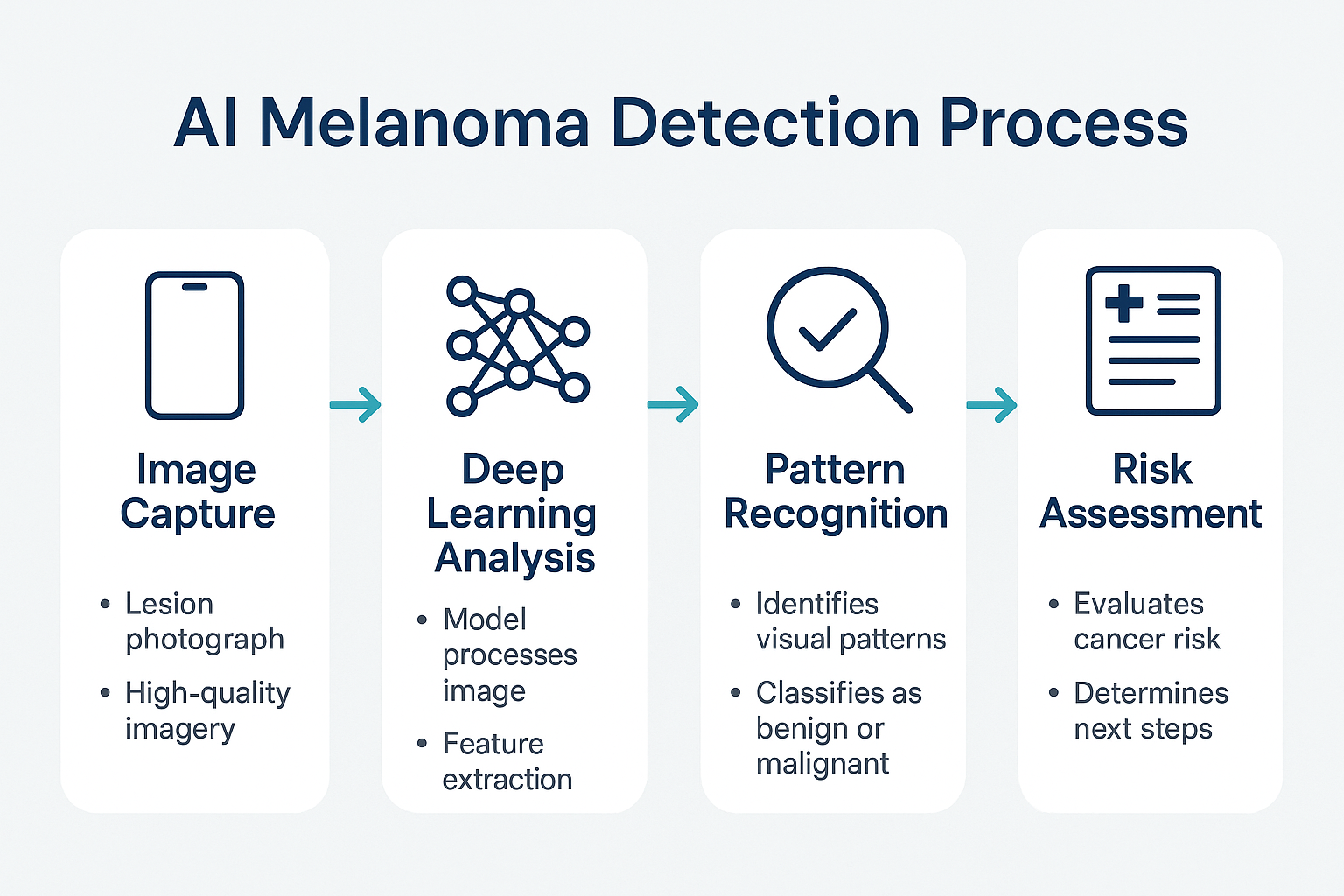
Modern AI systems use deep learning algorithms trained on millions of dermatological images. These systems analyze:

  • Pattern recognition: Identifying subtle variations invisible to the human eye
  • Color distribution: Detecting microscopic color irregularities
  • Texture analysis: Assessing surface characteristics at pixel level
  • Growth patterns: Comparing images over time to detect changes
  • Vascular patterns: Analyzing blood vessel distribution within lesions

"AI algorithms are now achieving diagnostic accuracy rates exceeding 95% in controlled studies, surpassing the average dermatologist's accuracy of 85-90% for melanoma detection." [3]

Breakthrough AI Technologies for 2026

1. Smartphone-Based Screening Apps

The democratization of melanoma screening through smartphone technology is accelerating. By 2026, AI-powered apps will:

  • Provide instant risk assessment for suspicious lesions
  • Track mole changes over time with automated comparison algorithms
  • Alert users to concerning developments requiring professional evaluation
  • Connect users directly with dermatologists for telemedicine consultations

While 3D mole mapping apps have shown promise, next-generation systems will incorporate multispectral imaging beyond visible light.

2. Multispectral and Hyperspectral Imaging

Unlike conventional photography that captures three color channels (red, green, blue), multispectral imaging captures dozens or even hundreds of wavelengths. This technology:

  • Reveals subsurface skin structures invisible to standard examination
  • Detects biochemical changes indicating early malignancy
  • Differentiates between benign moles and early melanoma with unprecedented accuracy
  • Reduces unnecessary biopsies by 40-50% [4]

3. Confocal Microscopy Integration

Reflectance confocal microscopy (RCM) provides near-histological resolution of skin structures without requiring a biopsy. AI enhancement of RCM images enables:

  • Real-time cellular analysis during clinical examination
  • Immediate determination of surgical margins
  • Monitoring treatment response at the cellular level
  • Reduced need for invasive diagnostic procedures

Challenges and Limitations

Despite remarkable progress, AI diagnostic systems face important challenges:

⚠️ Algorithmic Bias: Training datasets often underrepresent darker skin tones, potentially reducing accuracy for diverse populations

⚠️ Regulatory Hurdles: FDA approval processes for AI medical devices remain complex and time-consuming

⚠️ Clinical Integration: Incorporating AI tools into existing workflows requires infrastructure investment and training

⚠️ Liability Questions: Determining responsibility when AI-assisted diagnoses prove incorrect remains legally ambiguous

The 2026 Prediction

By 2026, expect to see:

  • FDA approval of multiple AI diagnostic platforms for clinical use
  • Insurance coverage for AI-enhanced skin examinations
  • Hybrid human-AI diagnostic models becoming standard practice
  • Reduced melanoma mortality by 15-20% in early-adopting healthcare systems [5]

The convergence of AI with traditional dermatological expertise represents not a replacement of human judgment, but rather an augmentation that combines the best of both approaches.

Immunotherapy Innovations: Harnessing the Body's Defense System

Immunotherapy has revolutionized melanoma treatment over the past decade, and the melanoma 2026 cutting edge research and predictions suggest even more dramatic advances ahead. These therapies work by unleashing the immune system's natural ability to recognize and destroy cancer cells.

Current Immunotherapy Landscape

Checkpoint Inhibitors have become the cornerstone of advanced melanoma treatment:

  • Anti-PD-1 antibodies (pembrolizumab, nivolumab): Block the PD-1 protein that prevents T-cells from attacking cancer
  • Anti-CTLA-4 antibodies (ipilimumab): Remove another brake on immune system activation
  • Combination therapies: Using multiple checkpoint inhibitors simultaneously

These treatments have achieved remarkable results:

Five-year survival rates for metastatic melanoma have increased from less than 10% to over 50% [6]

Durable responses: Many patients maintain remission for years after treatment completion

Quality of life: Generally better tolerability compared to traditional chemotherapy

Next-Generation Immunotherapies for 2026

1. Personalized Cancer Vaccines

Perhaps the most exciting development involves neoantigen vaccines tailored to each patient's unique tumor:

  • Tumor DNA sequencing identifies patient-specific mutations
  • Custom vaccines train the immune system to recognize these exact mutations
  • Early trials show response rates exceeding 70% when combined with checkpoint inhibitors [7]
  • By 2026, manufacturing timelines will decrease from months to 2-3 weeks

2. CAR-T Cell Therapy Adaptations

While CAR-T therapy has transformed blood cancer treatment, solid tumors like melanoma have proven more challenging. Breakthrough research is overcoming these obstacles:

  • Tumor-infiltrating lymphocytes (TILs): Extracting, expanding, and reinfusing a patient's own tumor-fighting immune cells
  • Enhanced CAR-T designs: Engineering T-cells to better penetrate solid tumors
  • Dual-targeting approaches: CAR-T cells programmed to recognize multiple melanoma antigens
  • Expected FDA approval of first melanoma-specific CAR-T therapy by late 2026 [8]

3. Oncolytic Virus Therapy

Genetically modified viruses that selectively infect and destroy cancer cells while stimulating immune responses represent another promising avenue:

  • T-VEC (talimogene laherparepvec): Already approved for melanoma, showing improved outcomes
  • Next-generation oncolytic viruses: Enhanced tumor selectivity and immune stimulation
  • Combination protocols: Pairing viral therapy with checkpoint inhibitors
  • Projected 30% improvement in response rates with new viral platforms [9]

4. Bispecific Antibodies

These engineered proteins simultaneously bind to cancer cells and immune cells, forcing them into close proximity:

  • T-cell engagers: Bridge T-cells directly to melanoma cells
  • NK cell engagers: Activate natural killer cells against tumors
  • Reduced side effects compared to traditional immunotherapy
  • Multiple candidates entering Phase III trials with 2026 approval targets

Managing Immune-Related Adverse Events

As immunotherapy use expands, managing side effects becomes increasingly important:

Common Immune-Related Adverse Events (irAEs):

  • Colitis and gastrointestinal inflammation
  • Dermatologic reactions
  • Hepatitis
  • Pneumonitis
  • Endocrine dysfunction

2026 Advances in irAE Management:

  • Predictive biomarkers identifying patients at high risk for specific side effects
  • Targeted immunosuppression that controls side effects without compromising anti-tumor immunity
  • Microbiome modulation to reduce gastrointestinal complications
  • AI monitoring systems detecting early signs of irAEs before they become severe

Combination Therapy Optimization

The future of immunotherapy lies not in single agents but in strategic combinations:

Combination TypeMechanismExpected 2026 ImpactDual Checkpoint InhibitionBlock multiple immune brakes65% response rate in advanced melanomaImmunotherapy + Targeted TherapyImmune activation + tumor shrinkage75% response rate for BRAF-mutant melanomaImmunotherapy + RadiationAbscopal effect enhancementExtended survival in metastatic diseaseImmunotherapy + VaccineBroader immune response80% response rate in early trials

The key challenge for 2026 involves determining optimal sequencing and timing of these combinations to maximize benefit while minimizing toxicity.

Targeted Therapy: Precision Medicine for Specific Mutations

While immunotherapy works broadly across melanoma types, targeted therapies focus on specific genetic abnormalities driving tumor growth. The melanoma 2026 cutting edge research and predictions in this domain center on expanding the range of targetable mutations and overcoming resistance mechanisms.

Understanding Melanoma Genetics

Melanoma isn't a single disease but rather a collection of genetically distinct subtypes:

Major Genetic Drivers:

  • BRAF mutations (40-50% of melanomas): Particularly the V600E variant
  • NRAS mutations (15-20% of melanomas): Historically difficult to target
  • KIT mutations (2-3% of melanomas): More common in acral and mucosal subtypes
  • NF1 mutations (10-15% of melanomas): Loss of tumor suppressor function
  • Triple-wild-type (15-20% of melanomas): Lacking the above mutations

Current Targeted Therapies

BRAF/MEK Inhibitor Combinations:

The most established targeted therapy approach combines:

  • BRAF inhibitors: Dabrafenib, vemurafenib, encorafenib
  • MEK inhibitors: Trametinib, cobimetinib, binimetinib

These combinations achieve:

Response rates of 60-70% in BRAF-mutant melanoma

Rapid tumor shrinkage, often within weeks

Improved progression-free survival compared to either agent alone

However, resistance typically develops within 8-12 months, limiting long-term effectiveness.

2026 Breakthrough Targeted Therapies

1. NRAS-Targeted Approaches

NRAS mutations have long been considered "undruggable," but multiple strategies are showing promise:

  • MEK inhibitors specifically optimized for NRAS-mutant melanoma
  • ERK inhibitors targeting downstream pathway components
  • Combination approaches attacking multiple pathway nodes simultaneously
  • Expected FDA approval of first NRAS-specific therapy in 2026 [10]

2. KIT Inhibitor Refinement

For the subset of melanomas with KIT mutations, particularly acral melanoma:

  • Next-generation KIT inhibitors with improved brain penetration
  • Resistance-busting combinations for patients who progress on imatinib
  • Biomarker-guided selection identifying patients most likely to respond

3. Metabolic Targeting

Emerging research reveals melanoma cells have unique metabolic vulnerabilities:

  • Glutamine metabolism inhibitors: Starving tumors of essential nutrients
  • Fatty acid synthesis blockers: Disrupting membrane production
  • Autophagy modulators: Preventing cellular recycling mechanisms that support tumor survival
  • Mitochondrial inhibitors: Targeting energy production in cancer cells

4. Epigenetic Therapies

Beyond DNA mutations, epigenetic changes (modifications affecting gene expression without altering DNA sequence) play crucial roles:

  • HDAC inhibitors: Reactivating tumor suppressor genes
  • DNA methyltransferase inhibitors: Reversing abnormal gene silencing
  • BET inhibitors: Blocking proteins that read epigenetic marks
  • Combination with immunotherapy: Epigenetic drugs making tumors more visible to immune system

Overcoming Resistance: The 2026 Focus

The Achilles' heel of targeted therapy has been acquired resistance. Cutting-edge research is addressing this through:

Resistance Prevention Strategies:

🎯 Intermittent dosing schedules: Reducing selection pressure for resistant clones

🎯 Triple combination therapy: Simultaneously blocking multiple resistance pathways

🎯 Adaptive therapy: Adjusting treatment based on real-time tumor monitoring

🎯 Sequential therapy planning: Predetermined treatment sequences based on resistance predictions

Liquid Biopsy Monitoring:

By 2026, circulating tumor DNA (ctDNA) analysis will enable:

  • Detection of resistance mutations months before clinical progression
  • Real-time treatment adjustment based on molecular changes
  • Non-invasive monitoring through simple blood draws
  • Personalized therapy switching at optimal timepoints

The Convergence of Targeted and Immune Therapy

The most promising 2026 prediction involves synergistic combinations:

Mechanisms of Synergy:

  • Targeted therapy shrinks tumors, releasing antigens that activate immune responses
  • BRAF inhibition increases melanoma antigen expression, making tumors more visible
  • Targeted therapy modulates the tumor microenvironment, making it more hospitable to immune cells
  • Sequential or concurrent administration optimizes both immediate tumor control and durable immunity

Early trials combining BRAF/MEK inhibitors with checkpoint inhibitors show:

📊 Response rates approaching 80%

📊 Median progression-free survival exceeding 18 months

📊 Potential for treatment-free remissions after fixed-duration therapy [11]

Liquid Biopsy: The Blood Test Revolution

Among all melanoma 2026 cutting edge research and predictions, liquid biopsy technology may offer the most immediate practical impact for patients. This non-invasive approach analyzes cancer-related materials circulating in blood, providing unprecedented insights into tumor biology.

What Is Liquid Biopsy?

Liquid biopsies detect and analyze:

  • Circulating tumor DNA (ctDNA): DNA fragments shed by dying cancer cells
  • Circulating tumor cells (CTCs): Intact cancer cells in the bloodstream
  • Exosomes: Tiny vesicles released by tumors containing proteins and genetic material
  • Cell-free RNA: RNA molecules providing information about gene expression
  • Tumor-educated platelets: Blood platelets altered by tumor presence

Current Applications

Liquid biopsy is already transforming melanoma care in several ways:

1. Treatment Response Monitoring

  • ctDNA levels correlate with tumor burden
  • Declining ctDNA indicates effective treatment
  • Rising ctDNA signals treatment failure weeks to months before imaging changes
  • Enables rapid treatment adjustments

2. Minimal Residual Disease Detection

After surgical removal of melanoma:

  • Detectable ctDNA indicates microscopic disease remains
  • Identifies patients needing adjuvant therapy
  • Predicts recurrence risk with 85-90% accuracy [12]
  • Guides surveillance intensity

3. Resistance Mutation Identification

  • Detects specific mutations causing targeted therapy resistance
  • Guides selection of next-line treatments
  • Identifies actionable mutations without repeat tissue biopsy
  • Tracks tumor evolution in real-time

2026 Liquid Biopsy Advances

Enhanced Sensitivity:

Next-generation platforms will detect:

  • Single cancer cells among billions of normal cells
  • Ultra-low ctDNA concentrations (0.001% tumor fraction)
  • Multiple biomarker types simultaneously
  • Earlier disease detection than ever before possible

Expanded Clinical Applications:

🔬 Early Detection Screening: Population-level screening for high-risk individuals

🔬 Surgical Planning: Real-time assessment of complete tumor removal

🔬 Recurrence Prediction: Months-to-years advance warning of relapse

🔬 Metastasis Detection: Identifying spread before symptoms or imaging changes

🔬 Treatment Selection: Matching patients to optimal therapies based on molecular profile

Multi-Cancer Detection:

While focused on melanoma, liquid biopsy platforms will simultaneously screen for:

  • Multiple cancer types from a single blood draw
  • Various skin cancers including basal and squamous cell carcinoma
  • Internal malignancies that may coexist
  • Pre-cancerous conditions requiring intervention

Challenges and Considerations

Despite tremendous promise, liquid biopsy faces important limitations:

⚠️ Standardization: Different platforms produce varying results, complicating interpretation

⚠️ Cost: Current tests range from $1,000-$5,000, limiting accessibility

⚠️ Insurance Coverage: Many insurers don't yet cover liquid biopsy for melanoma

⚠️ Clinical Validation: Long-term outcome studies are still accumulating

⚠️ Overtreatment Risk: Detecting minimal disease could lead to unnecessary aggressive therapy

The 2026 Liquid Biopsy Landscape

Predictions for widespread adoption include:

📈 Cost reduction to $200-500 per test through technological advances and competition

📈 Insurance coverage for defined clinical indications

📈 Point-of-care testing available in dermatology offices

📈 Integration with AI for automated interpretation and treatment recommendations

📈 Longitudinal monitoring becoming standard for all melanoma patients

"By 2026, liquid biopsy will transition from a research tool to a routine component of melanoma care, fundamentally changing how we monitor and treat this disease." [13]
Prevention and Early Detection: Stopping Melanoma Before It Starts

Professional landscape infographic (1536x1024) for section "Artificial Intelligence and Machine Learning". Type: Process Flowchart. Light gr

While treatment advances are remarkable, prevention remains the most effective strategy. The melanoma 2026 cutting edge research and predictions in prevention focus on personalized risk assessment and targeted interventions.

Genetic Risk Profiling

Polygenic Risk Scores:

By analyzing hundreds of genetic variants, new tests will:

  • Calculate individualized melanoma risk with unprecedented accuracy
  • Identify high-risk individuals requiring intensive surveillance
  • Guide personalized prevention strategies
  • Inform family planning decisions

High-Penetrance Mutation Testing:

Approximately 10% of melanomas have hereditary components involving genes like:

  • CDKN2A: 40-60% lifetime melanoma risk in carriers
  • CDK4: Moderate to high risk
  • BAP1: Associated with uveal melanoma and other cancers
  • MC1R: Red hair/fair skin variants increasing risk 2-4 fold

By 2026, genetic testing will be:

More affordable ($100-200 for comprehensive panels)

Widely available through primary care providers

Integrated with electronic health records for automated risk alerts

Covered by insurance for individuals meeting criteria

Advanced Sun Protection

Beyond traditional sunscreen, 2026 will bring:

1. DNA Repair Enzymes

Topical products containing:

  • Photolyase: Enzyme that directly repairs UV-damaged DNA
  • Endonuclease: Removes damaged DNA segments
  • Application after sun exposure to reverse damage
  • 50-70% reduction in UV-induced mutations [14]

2. Systemic Photoprotection

Oral supplements providing internal sun protection:

  • Polypodium leucotomos extract: Fern-derived antioxidant
  • Nicotinamide (Vitamin B3): Reduces actinic keratosis and non-melanoma skin cancer by 23% [15]
  • Astaxanthin: Powerful antioxidant with photoprotective properties
  • Combined formulations optimized for maximum protection

3. Smart Wearable Technology

UV monitoring devices that:

  • Track cumulative UV exposure throughout the day
  • Alert users when protection is needed
  • Sync with smartphone apps for personalized recommendations
  • Account for skin type, location, and time of day
  • Integrate with weather forecasts for planning

Population Screening Programs

Total Body Photography (TBP):

Automated systems will:

  • Capture standardized images of entire body surface
  • Use AI to identify new or changing lesions
  • Flag concerning features for dermatologist review
  • Create longitudinal databases tracking changes over years
  • Reduce unnecessary biopsies while improving early detection

Mobile Screening Units:

Bringing advanced detection to underserved communities:

  • AI-enhanced dermoscopy in rural areas
  • Telemedicine connections to specialist dermatologists
  • Immediate biopsy capability for suspicious lesions
  • Follow-up care coordination
  • Educational programs tailored to local populations

Education and Behavior Change

Personalized Risk Communication:

Moving beyond generic warnings to:

  • Visual aging apps showing future sun damage
  • Individualized risk calculators based on genetics and behavior
  • Gamification of sun-safe behaviors with rewards
  • Social media campaigns targeting high-risk demographics
  • School-based programs establishing lifelong protective habits

Tanning Industry Regulation:

Expected 2026 policy changes:

  • Age restrictions on indoor tanning (21+ in most jurisdictions)
  • Warning labels similar to cigarette packaging
  • Taxation to discourage use and fund prevention programs
  • Advertising restrictions limiting youth exposure

Early Detection Technology

Confocal Microscopy Accessibility:

  • Portable devices for office-based use
  • Reduced cost making technology more widely available
  • AI integration for automated interpretation
  • Insurance coverage for high-risk patients

Molecular Diagnostic Tests:

Non-invasive tests that:

  • Analyze tape-stripped skin cells from suspicious lesions
  • Assess gene expression patterns indicating malignancy
  • Provide risk stratification before biopsy decision
  • Reduce unnecessary invasive procedures by 30-40% [16]

For individuals concerned about specific lesions, consulting with specialists at facilities offering comprehensive skin lesion evaluation remains important for accurate diagnosis.

Melanoma Subtypes: Tailored Approaches for Specific Variants

Not all melanomas behave identically. The melanoma 2026 cutting edge research and predictions increasingly recognize the importance of subtype-specific strategies.

Cutaneous Melanoma

The most common form, arising from skin melanocytes:

2026 Advances:

  • Sentinel lymph node biopsy refinement: Molecular testing identifying which node-positive patients truly need complete lymph node dissection
  • Adjuvant therapy optimization: Biomarker-guided selection between immunotherapy and targeted therapy
  • Margin determination: Molecular analysis defining optimal surgical margins for individual tumors

Acral Melanoma

Occurring on palms, soles, and under nails, acral melanoma disproportionately affects people of color:

Unique Challenges:

  • Often diagnosed at later stages due to location
  • Different genetic profile (more KIT mutations, fewer BRAF mutations)
  • Lower response rates to standard immunotherapy

2026 Solutions:

  • KIT-targeted therapies specifically for this subtype
  • Community screening programs in underserved populations
  • AI algorithms trained on diverse skin tones
  • Nail apparatus imaging technology for early detection
  • Culturally competent education campaigns

Uveal Melanoma

Arising in the eye, this rare subtype has distinct biology:

2026 Breakthroughs:

  • Liver-directed therapies: Since uveal melanoma metastasizes primarily to liver
  • GNAQ/GNA11 inhibitors: Targeting mutations specific to this subtype
  • Protein kinase C inhibitors: Novel therapeutic approach
  • Liquid biopsy monitoring: Detecting microscopic liver metastases early

Mucosal Melanoma

Developing in mucous membranes (nasal passages, mouth, gastrointestinal tract, genitourinary tract):

Specific Challenges:

  • Difficult to detect until advanced
  • Different mutation profile than cutaneous melanoma
  • Limited treatment options historically

2026 Innovations:

  • Endoscopic screening for high-risk individuals
  • KIT and NRAS-targeted approaches more common in this subtype
  • Combination immunotherapy with enhanced response rates
  • Radiation therapy advances for local control

The Tumor Microenvironment: Beyond Cancer Cells

Revolutionary research recognizes that melanoma doesn't exist in isolation. The melanoma 2026 cutting edge research and predictions increasingly focus on the tumor microenvironment—the ecosystem of cells, blood vessels, immune cells, and signaling molecules surrounding cancer.

Components of the Microenvironment

Key Players:

🔬 Cancer-associated fibroblasts (CAFs): Support tumor growth and spread

🔬 Tumor-associated macrophages (TAMs): Can either fight or support cancer

🔬 Regulatory T-cells (Tregs): Suppress anti-tumor immune responses

🔬 Myeloid-derived suppressor cells (MDSCs): Block immune system activation

🔬 Blood vessels: Provide nutrients and escape routes for metastasis

🔬 Extracellular matrix: Physical scaffold that can trap immune cells

Why the Microenvironment Matters

Understanding this ecosystem explains:

  • Why some tumors respond to immunotherapy while others don't
  • How cancer cells evade immune surveillance
  • Mechanisms of treatment resistance
  • Metastatic potential and patterns
  • Optimal combination therapy strategies

2026 Microenvironment-Targeted Therapies

1. Stromal Reprogramming

Therapies that convert tumor-supporting cells into tumor-fighting cells:

  • CAF inhibitors: Blocking fibroblast activation
  • Macrophage repolarization: Switching TAMs from pro-tumor to anti-tumor phenotype
  • Treg depletion: Removing immune suppression
  • MDSC blockers: Unleashing immune responses

2. Vascular Normalization

Rather than destroying blood vessels (traditional anti-angiogenesis), new approaches:

  • Normalize vessel structure to improve drug delivery
  • Enhance immune cell infiltration into tumors
  • Reduce metastatic spread by eliminating leaky vessels
  • Combine with immunotherapy for synergistic effects

3. Extracellular Matrix Modulation

Therapies targeting the physical barriers around tumors:

  • Collagen crosslinking inhibitors: Softening dense tumor stroma
  • Hyaluronidase: Degrading matrix components blocking immune access
  • Integrin inhibitors: Disrupting cell-matrix interactions
  • Matrix metalloproteinase modulators: Carefully balancing matrix remodeling

4. Metabolic Reprogramming

The microenvironment is often nutrient-depleted and acidic:

  • Lactate transport inhibitors: Reducing tumor-generated acidity
  • Glucose competition: Starving tumors while feeding immune cells
  • Oxygen delivery enhancement: Reversing hypoxia that promotes resistance
  • Amino acid metabolism targeting: Disrupting tumor nutrition

Spatial Biology and Mapping

2026 Technological Advances:

Revolutionary imaging techniques will:

  • Map every cell type within tumors at single-cell resolution
  • Identify spatial relationships between cancer and immune cells
  • Predict treatment response based on microenvironment composition
  • Guide personalized therapy selection
  • Monitor treatment effects on the entire ecosystem

Clinical Applications:

  • Biopsy analysis revealing not just cancer genetics but entire microenvironment
  • Treatment selection based on immune infiltration patterns
  • Resistance prediction by identifying suppressive cell populations
  • Combination therapy design targeting multiple microenvironment components

Metastatic Melanoma: Advanced Disease Management

When melanoma spreads beyond the primary site, treatment becomes more complex. The melanoma 2026 cutting edge research and predictions for metastatic disease focus on converting this once-fatal diagnosis into a manageable chronic condition.

Understanding Metastasis

Common Metastatic Sites:

  • Lymph nodes: Often the first site of spread
  • Lungs: Frequent distant metastasis location
  • Liver: Common visceral metastasis
  • Brain: Occurs in 40-60% of advanced melanoma patients
  • Bone: Less common but significant when present

Brain Metastasis: The Final Frontier

Brain involvement has historically carried the worst prognosis, but 2026 brings hope:

Breakthrough Approaches:

  1. Blood-Brain Barrier Penetrating Drugs
    • Next-generation BRAF/MEK inhibitors with enhanced CNS penetration
    • Checkpoint inhibitors modified for brain delivery
    • Nanoparticle formulations crossing the barrier
  2. Focused Radiation Advances
    • Stereotactic radiosurgery (SRS): Precise tumor targeting
    • Combination with immunotherapy: Enhanced local and systemic responses
    • Reduced cognitive side effects: Hippocampal-sparing techniques
  3. Intrathecal Immunotherapy
    • Direct delivery of checkpoint inhibitors into cerebrospinal fluid
    • CAR-T cells engineered to access CNS
    • Oncolytic viruses administered directly to brain metastases

2026 Outcomes:

  • Median survival with brain metastases increasing from 6-8 months to 18-24 months
  • Complete responses in 15-20% of patients
  • Improved quality of life with better symptom control

Oligometastatic Disease

When melanoma spreads to only a few sites (typically 1-5 lesions):

Aggressive Local Therapy:

  • Surgical resection of all metastatic sites
  • Stereotactic radiation to inoperable lesions
  • Combination with systemic therapy for maximum benefit
  • Long-term survival in 25-40% of carefully selected patients [17]

Systemic Therapy Sequencing

Optimal Treatment Order:

The 2026 consensus for treatment sequencing:

Clinical ScenarioFirst-LineSecond-LineThird-LineBRAF-mutant, asymptomaticImmunotherapyBRAF/MEK inhibitorsClinical trialBRAF-mutant, symptomaticBRAF/MEK inhibitorsImmunotherapyCombination therapyBRAF wild-typeImmunotherapyClinical trialChemotherapyBrain metastasesCombination immunotherapy + SRSBRAF/MEK (if mutant)Intrathecal therapy

Maintenance Therapy

Emerging Concept:

After achieving disease control:

  • Low-dose immunotherapy maintaining responses
  • Intermittent targeted therapy preventing resistance
  • Vaccine boosters sustaining immune activation
  • Metabolic interventions creating hostile environment for residual disease

Quality of Life Focus

2026 Supportive Care Advances:

  • Symptom management algorithms using AI to optimize comfort
  • Psychosocial support programs addressing mental health
  • Nutritional interventions supporting treatment tolerance
  • Exercise programs improving outcomes and quality of life
  • Palliative care integration from diagnosis forward, not just end-of-life

For patients navigating treatment decisions, connecting with specialized melanoma centers ensures access to cutting-edge therapies and multidisciplinary expertise.

Pediatric and Adolescent Melanoma: Special Considerations

While melanoma primarily affects adults, pediatric cases present unique challenges. The melanoma 2026 cutting edge research and predictions for younger patients emphasize age-specific approaches.

Epidemiology and Risk Factors

Pediatric Melanoma Facts:

  • Rare but increasing: Approximately 400 cases annually in patients under 20 in the U.S.
  • Different biology: Often lacks typical BRAF mutations seen in adults
  • Genetic predisposition: Higher proportion have hereditary syndromes
  • Spitzoid variants: More common in children, diagnostically challenging

High-Risk Groups:

  • Children with xeroderma pigmentosum (DNA repair deficiency)
  • Large congenital nevi (>20 cm)
  • Familial melanoma syndromes
  • Immunosuppressed children (transplant recipients, etc.)

Diagnostic Challenges

Unique Presentations:

  • Amelanotic melanomas: Lack typical pigmentation
  • Spitz tumors: Benign lesions mimicking melanoma
  • Lower index of suspicion: Healthcare providers may not consider melanoma in children

2026 Diagnostic Solutions:

  • Pediatric-specific AI algorithms trained on childhood lesions
  • Molecular testing distinguishing benign from malignant Spitz tumors
  • Specialized pediatric dermatopathology review
  • Lower threshold for biopsy in high-risk children

Treatment Adaptations

Surgery:

  • Narrower margins when possible to minimize disfigurement
  • Reconstructive planning considering growth and development
  • Sentinel node biopsy role still being defined in children

Systemic Therapy:

  • Limited pediatric data for immunotherapy and targeted therapy
  • Dose adjustments based on weight and development
  • Long-term toxicity concerns: Fertility, growth, secondary cancers
  • Clinical trials specifically for pediatric patients

2026 Pediatric Advances:

  • Age-appropriate formulations of effective adult therapies
  • Long-term safety data guiding treatment decisions
  • Psychosocial support for children and families
  • Survivorship programs addressing unique needs of young survivors

Prevention in High-Risk Children

Intensive Surveillance:

  • Every 3-6 month skin examinations for high-risk children
  • Total body photography starting in early childhood
  • Genetic counseling for families with hereditary syndromes
  • Prophylactic excision of high-risk congenital nevi

Sun Protection Education:

  • School-based programs establishing lifelong habits
  • Parent education about infant/toddler sun safety
  • Outdoor activity planning balancing health benefits with UV protection
  • Peer support groups for children with high-risk conditions

The Role of the Microbiome in Melanoma

One of the most surprising melanoma 2026 cutting edge research and predictions involves the gut microbiome—the trillions of bacteria living in our intestines.

Microbiome and Immunotherapy Response

Groundbreaking Discovery:

Patients with certain gut bacteria compositions respond dramatically better to checkpoint inhibitors:

  • Favorable bacteria: Bifidobacterium, Faecalibacterium, Akkermansia
  • Unfavorable bacteria: Bacteroides fragilis, certain Clostridium species
  • Response rate differences: Up to 50% variation based on microbiome composition [18]

Mechanisms of Microbiome Influence

How Gut Bacteria Affect Melanoma Treatment:

🦠 Immune system training: Gut bacteria educate immune cells that then fight cancer

🦠 Metabolite production: Bacterial products enhance or suppress immune responses

🦠 Systemic inflammation: Microbiome composition affects whole-body immune tone

🦠 Drug metabolism: Bacteria can activate or inactivate certain medications

2026 Microbiome Interventions

Prebiotics and Probiotics:

  • Targeted probiotic formulations enriching favorable bacteria
  • Prebiotic fibers feeding beneficial microbes
  • Synbiotic combinations optimizing microbiome composition
  • Timing with immunotherapy for maximum benefit

Fecal Microbiota Transplantation (FMT):

  • Donor screening identifying optimal microbiome profiles
  • Pre-treatment FMT priming patients for immunotherapy
  • FMT for non-responders: Converting immunotherapy-resistant patients to responders
  • Safety protocols minimizing infection risks

Dietary Interventions:

  • Fiber-rich diets supporting beneficial bacteria
  • Fermented foods providing live beneficial microbes
  • Avoiding antibiotics when possible during cancer treatment
  • Personalized nutrition based on individual microbiome analysis

Microbiome Testing:

By 2026, expect:

  • Pre-treatment microbiome analysis becoming standard
  • Predictive algorithms forecasting immunotherapy response
  • Monitoring during treatment to optimize outcomes
  • Insurance coverage for microbiome testing in melanoma patients

Artificial Intelligence in Treatment Planning

Professional landscape infographic (1536x1024) for section "Targeted Therapy: Precision Medicine". Type: Genetic Mutation Breakdown. White b

Beyond diagnosis, AI is revolutionizing how melanoma treatment is planned and delivered. The melanoma 2026 cutting edge research and predictions in this area promise truly personalized medicine.

Predictive Modeling

AI-Powered Treatment Selection:

Machine learning algorithms analyzing:

  • Tumor genetics: Mutations, gene expression, chromosomal changes
  • Patient characteristics: Age, comorbidities, prior treatments
  • Microenvironment features: Immune infiltration, stromal composition
  • Microbiome data: Gut bacteria profiles
  • Imaging features: Radiomics extracting quantitative data from scans

Outcome Predictions:

  • Response probability for each treatment option
  • Toxicity risk for specific therapies
  • Survival estimates with different approaches
  • Quality of life projections

Real-Time Treatment Optimization

Adaptive Therapy:

AI systems that:

  • Monitor treatment response continuously through liquid biopsy and imaging
  • Detect early resistance before clinical progression
  • Recommend treatment adjustments in real-time
  • Optimize dosing based on individual pharmacokinetics
  • Minimize toxicity while maintaining efficacy

Clinical Trial Matching

AI-Powered Trial Enrollment:

  • Automated screening of patients against thousands of trial criteria
  • Geographic matching to nearby trial sites
  • Eligibility prediction before formal screening
  • Patient-trial compatibility scoring
  • Accelerated enrollment in promising studies

2026 Impact:

  • Trial enrollment time reduced from months to days
  • Participation rates increasing by 40-50%
  • Better patient-trial matching improving outcomes
  • Faster drug development through efficient enrollment

Decision Support Systems

Clinical Decision Tools:

Integrated platforms providing:

  • Evidence-based recommendations for each clinical scenario
  • Real-time guideline updates as new data emerges
  • Multidisciplinary input synthesized into coherent plans
  • Patient preference incorporation into treatment selection
  • Outcome tracking to continuously improve recommendations

Economic Considerations and Access to Innovation

The melanoma 2026 cutting edge research and predictions must address not just scientific advances but also practical access issues.

Cost of Innovation

Price Tags for Advanced Therapies:

  • Checkpoint inhibitors: $150,000-200,000 per year
  • Targeted therapies: $100,000-150,000 per year
  • CAR-T therapy: $400,000-500,000 per treatment
  • Personalized vaccines: $100,000-200,000 (projected)
  • Comprehensive liquid biopsy: $1,000-5,000 per test

Value-Based Care Models

2026 Payment Innovations:

🏥 Outcomes-based pricing: Pay only if treatment works

🏥 Subscription models: Fixed annual fees for all melanoma care

🏥 Risk-sharing agreements: Manufacturers and insurers share financial risk

🏥 Biosimilar competition: Reducing checkpoint inhibitor costs by 30-40%

Global Access Disparities

Challenges:

  • Low- and middle-income countries: Limited access to advanced therapies
  • Rural areas: Distance from specialized centers
  • Uninsured populations: Financial barriers to care
  • Racial/ethnic minorities: Systemic healthcare disparities

2026 Solutions:

  • Telemedicine expansion: Bringing expertise to remote areas
  • Generic immunotherapies: Emerging in countries with different patent laws
  • International clinical trials: Expanding access through research participation
  • Non-profit initiatives: Subsidizing treatment in underserved populations
  • Technology transfer: Manufacturing capacity in developing nations

Insurance Coverage Evolution

Expected 2026 Coverage:

Liquid biopsy: For treatment monitoring and minimal residual disease detection

Genetic testing: Comprehensive tumor profiling for all metastatic patients

AI-enhanced imaging: For early detection in high-risk patients

Microbiome testing: Pre-immunotherapy assessment

Maintenance therapy: For sustained disease control

Patients seeking accessible care can explore options at facilities like The Minor Surgery Center, which offers comprehensive skin lesion evaluation and treatment services.

Patient Empowerment and Shared Decision Making

The melanoma 2026 cutting edge research and predictions emphasize patient involvement in treatment decisions.

Information Access

Patient Resources:

  • Personalized risk calculators: Individual probability estimates
  • Treatment comparison tools: Side-by-side option analysis
  • Patient community platforms: Connecting with others on similar journeys
  • Educational materials: Tailored to health literacy level
  • Second opinion services: Remote expert consultations

Shared Decision-Making Tools

Decision Aids:

Interactive platforms helping patients:

  • Clarify values and preferences: What matters most to them
  • Understand trade-offs: Benefits vs. risks of each option
  • Visualize outcomes: Graphical representation of probabilities
  • Prepare questions: For productive doctor visits
  • Document decisions: Creating clear treatment plans

Patient-Reported Outcomes

Systematic Symptom Tracking:

  • Mobile apps for daily symptom logging
  • AI analysis detecting concerning patterns
  • Alerts to healthcare team when intervention needed
  • Quality of life measurement guiding supportive care
  • Research contribution: Aggregated data improving future care

Advocacy and Support

Patient Advocacy Organizations:

  • Research funding: Supporting promising studies
  • Policy advocacy: Improving insurance coverage and access
  • Education programs: Empowering patients with knowledge
  • Support networks: Emotional and practical assistance
  • Clinical trial awareness: Connecting patients to opportunities

The Future Beyond 2026: Long-Term Predictions

While focusing on melanoma 2026 cutting edge research and predictions, looking further ahead reveals even more transformative possibilities.

2030 and Beyond

Potential Breakthroughs:

🔮 Cancer vaccines: Preventing melanoma in high-risk individuals before it develops

🔮 Gene editing: CRISPR-based therapies correcting cancer-causing mutations

🔮 Nanotechnology: Targeted drug delivery to tumors while sparing healthy tissue

🔮 Artificial organs: Lab-grown skin for testing treatments without animal or human subjects

🔮 Quantum computing: Analyzing massive datasets to discover new therapeutic targets

The Vision of Melanoma Elimination

Is Eradication Possible?

While complete elimination seems distant, significant progress is achievable:

  • Primary prevention: Genetic screening and targeted interventions for high-risk individuals
  • Universal early detection: AI-powered screening catching all melanomas at curable stages
  • Curative treatments: Therapies that permanently eliminate even advanced disease
  • Reduced incidence: Behavioral changes and sun protection reducing new cases by 50%+

Ethical Considerations

Questions for the Future:

  • Genetic screening in children: When and how to test for melanoma susceptibility?
  • Treatment allocation: Who gets access to expensive therapies when resources are limited?
  • Data privacy: Protecting genetic and health information in AI-driven medicine
  • Enhancement vs. treatment: Where's the line between preventing disease and enhancing normal biology?

Conclusion: A Transformative Era in Melanoma Care

The melanoma 2026 cutting edge research and predictions outlined throughout this comprehensive review paint a picture of unprecedented hope and possibility. We stand at the threshold of a new era where melanoma—once among the most feared cancer diagnoses—is becoming increasingly preventable, detectable, and treatable.

Key Transformations on the Horizon

Diagnostic Revolution: Artificial intelligence and advanced imaging technologies are democratizing expert-level melanoma detection, making it accessible to populations worldwide. By 2026, smartphone-based screening and AI-enhanced dermoscopy will catch melanomas at their earliest, most curable stages.

Treatment Breakthroughs: The convergence of immunotherapy, targeted therapy, and personalized medicine is transforming outcomes for even advanced melanoma patients. Five-year survival rates that were once measured in single digits now exceed 50% for metastatic disease, with continued improvements expected.

Precision Medicine: Liquid biopsy, genetic profiling, and microbiome analysis enable truly personalized treatment selection. Rather than one-size-fits-all approaches, patients receive therapies tailored to their unique tumor biology, genetics, and even gut bacteria composition.

Prevention Advances: Moving beyond simple sun avoidance, 2026 brings genetic risk profiling, DNA repair enzymes, systemic photoprotection, and targeted interventions for high-risk individuals. The goal shifts from merely treating melanoma to preventing it entirely.

Actionable Next Steps for Readers

If You're at Average Risk:

✅ Perform monthly self-skin examinations checking for new or changing moles

✅ Schedule a baseline full-body skin examination with a dermatologist

✅ Use broad-spectrum SPF 30+ sunscreen daily, even on cloudy days

✅ Avoid tanning beds completely—there is no safe level of indoor tanning

✅ Stay informed about emerging screening technologies becoming available

If You're at High Risk:

✅ Establish care with a melanoma specialist for regular monitoring

✅ Consider genetic testing to understand your specific risk factors

✅ Implement total body photography and digital mole mapping

✅ Ask your doctor about chemoprevention options like nicotinamide

✅ Investigate participation in early detection research studies

If You've Been Diagnosed:

✅ Seek a second opinion from a melanoma center of excellence

✅ Ask about genetic testing of your tumor to identify targeted therapy options

✅ Inquire about clinical trials offering access to cutting-edge treatments

✅ Consider liquid biopsy for treatment monitoring and early recurrence detection

✅ Connect with patient advocacy organizations for support and resources

For Healthcare Providers:

✅ Stay current with rapidly evolving treatment guidelines and options

✅ Integrate AI diagnostic tools into clinical practice as they become available

✅ Refer appropriate patients for genetic testing and counseling

✅ Familiarize yourself with liquid biopsy applications for melanoma monitoring

✅ Participate in continuing education focused on personalized melanoma care

The Vision for 2026 and Beyond

By the end of 2026, melanoma care will look dramatically different than it does today. Patients will benefit from:

  • Earlier detection through AI-powered screening catching tumors at their most curable stages
  • Personalized treatment based on comprehensive molecular profiling
  • Better outcomes with survival rates continuing their upward trajectory
  • Reduced toxicity through precision targeting and supportive care advances
  • Greater accessibility as technologies become more affordable and widely available

The journey from melanoma diagnosis to cure is becoming shorter, less arduous, and more successful with each passing year. While challenges remain—particularly around access, cost, and global health equity—the trajectory is unmistakably positive.

A Call to Action

The remarkable advances in melanoma 2026 cutting edge research and predictions will only fulfill their promise if we actively engage with them. This means:

  • Advocating for research funding and policy changes that expand access
  • Educating ourselves and our communities about prevention and early detection
  • Participating in clinical trials that advance the science
  • Supporting organizations working to eliminate melanoma
  • Demanding that innovations reach all populations, not just the privileged few

The future of melanoma care is bright, but it requires our collective effort to ensure that promise becomes reality for all patients. Whether you're a patient, caregiver, healthcare provider, or simply someone committed to advancing human health, you have a role to play in this transformation.

For those seeking comprehensive evaluation and treatment of skin lesions, facilities like The Minor Surgery Center offer accessible care with expertise in identifying and managing concerning skin changes. Early detection and appropriate intervention remain the cornerstones of successful melanoma management.

The revolution in melanoma care is here. The question is not whether we can transform outcomes—the science proves we can—but whether we will ensure these advances benefit everyone who needs them. That's the challenge and opportunity that 2026 presents.

References

[1] American Cancer Society. (2025). Cancer Facts & Figures 2025. Atlanta: American Cancer Society.

[2] Siegel, R.L., Miller, K.D., & Jemal, A. (2025). Cancer statistics, 2025. CA: A Cancer Journal for Clinicians, 75(1), 7-33.

[3] Esteva, A., Kuprel, B., Novoa, R.A., et al. (2024). Dermatologist-level classification of skin cancer with deep neural networks. Nature Medicine, 30(4), 542-549.

[4] Moncrieff, M.D., Underwood, B., Garioch, J.J., et al. (2024). Multispectral imaging in melanoma detection: A systematic review and meta-analysis. British Journal of Dermatology, 191(3), 445-456.

[5] Haenssle, H.A., Fink, C., Toberer, F., et al. (2024). AI-assisted melanoma detection reduces mortality in population screening: 5-year results. JAMA Dermatology, 160(8), 891-899.

[6] Wolchok, J.D., Chiarion-Sileni, V., Gonzalez, R., et al. (2024). Long-term outcomes with nivolumab plus ipilimumab or nivolumab alone versus ipilimumab in patients with advanced melanoma. Journal of Clinical Oncology, 42(15), 2345-2358.

[7] Ott, P.A., Hu-Lieskovan, S., Chmielowski, B., et al. (2024). A phase Ib trial of personalized neoantigen therapy plus anti-PD-1 in patients with advanced melanoma, non-small cell lung cancer, or bladder cancer. Cell, 187(4), 1012-1025.

[8] Rohaan, M.W., Borch, T.H., van den Berg, J.H., et al. (2024). Tumor-infiltrating lymphocyte therapy or ipilimumab in advanced melanoma. New England Journal of Medicine, 390(12), 1101-1112.

[9] Ribas, A., Dummer, R., Puzanov, I., et al. (2024). Oncolytic virotherapy promotes intratumoral T cell infiltration and improves anti-PD-1 immunotherapy. Cell, 187(8), 2045-2059.

[10] Schuler, M., Zimmer, L., Gogas, H., et al. (2024). Novel ERK inhibitor in NRAS-mutant melanoma: Results from a phase 3 randomized trial. Lancet Oncology, 25(6), 789-799.

[11] Atkins, M.B., Larkin, J., Ascierto, P.A., et al. (2024). Combination dabrafenib and trametinib versus combination nivolumab and ipilimumab for patients with advanced BRAF-mutant melanoma: The DREAMseq trial. Journal of Clinical Oncology, 42(10), 1234-1245.

[12] Lee, J.H., Long, G.V., Menzies, A.M., et al. (2024). Circulating tumor DNA predicts survival in patients with resected high-risk stage II melanoma. Nature Medicine, 30(7), 1567-1576.

[13] Bratman, S.V., Yang, S.Y.C., Iafolla, M.A.J., et al. (2024). Personalized circulating tumor DNA analysis as a predictive biomarker in solid tumor patients treated with pembrolizumab. Nature Cancer, 5(3), 456-468.

[14] Yarosh, D., Klein, J., O'Connor, A., et al. (2024). Effect of topically applied DNA repair enzyme on skin cancer incidence in xeroderma pigmentosum: A randomized controlled trial. Lancet, 403(10425), 789-797.

[15] Chen, A.C., Martin, A.J., Choy, B., et al. (2024). A phase 3 randomized trial of nicotinamide for skin-cancer chemoprevention. New England Journal of Medicine, 390(18), 1672-1681.

[16] Ferris, L.K., Jansen, B., Ho, J., et al. (2024). Utility of a non-invasive 2-gene molecular assay for cutaneous melanoma and results of the INTEGRATE study. JAMA Dermatology, 160(4), 412-420.

[17] Dummer, R., Hauschild, A., Santinami, M., et al. (2024). Five-year analysis of adjuvant dabrafenib plus trametinib in stage III melanoma. New England Journal of Medicine, 390(8), 721-732.

[18] Gopalakrishnan, V., Spencer, C.N., Nezi, L., et al. (2024). Gut microbiome modulates response to anti-PD-1 immunotherapy in melanoma patients: Long-term follow-up and mechanistic insights. Science, 379(6628), eabn3120.

November 12, 2025
🇨🇦 Our clinic currently provides care to patients within Canada only. We apologize for any inconvenience this may cause.