
Millions of people worldwide experience the tingling, numbness, and pain of carpal tunnel syndrome, leading many to seek relief through supplements and vitamins. But with countless products promising miraculous results, what does the actual scientific research reveal about supplements and vitamins for carpal tunnel: what the research actually shows? 🧬
The intersection of nutritional science and nerve health has produced fascinating insights into how specific vitamins and supplements might influence carpal tunnel syndrome symptoms. While surgery and traditional treatments remain the gold standard for severe cases, emerging research suggests that certain nutritional interventions may offer meaningful support for symptom management and nerve function.
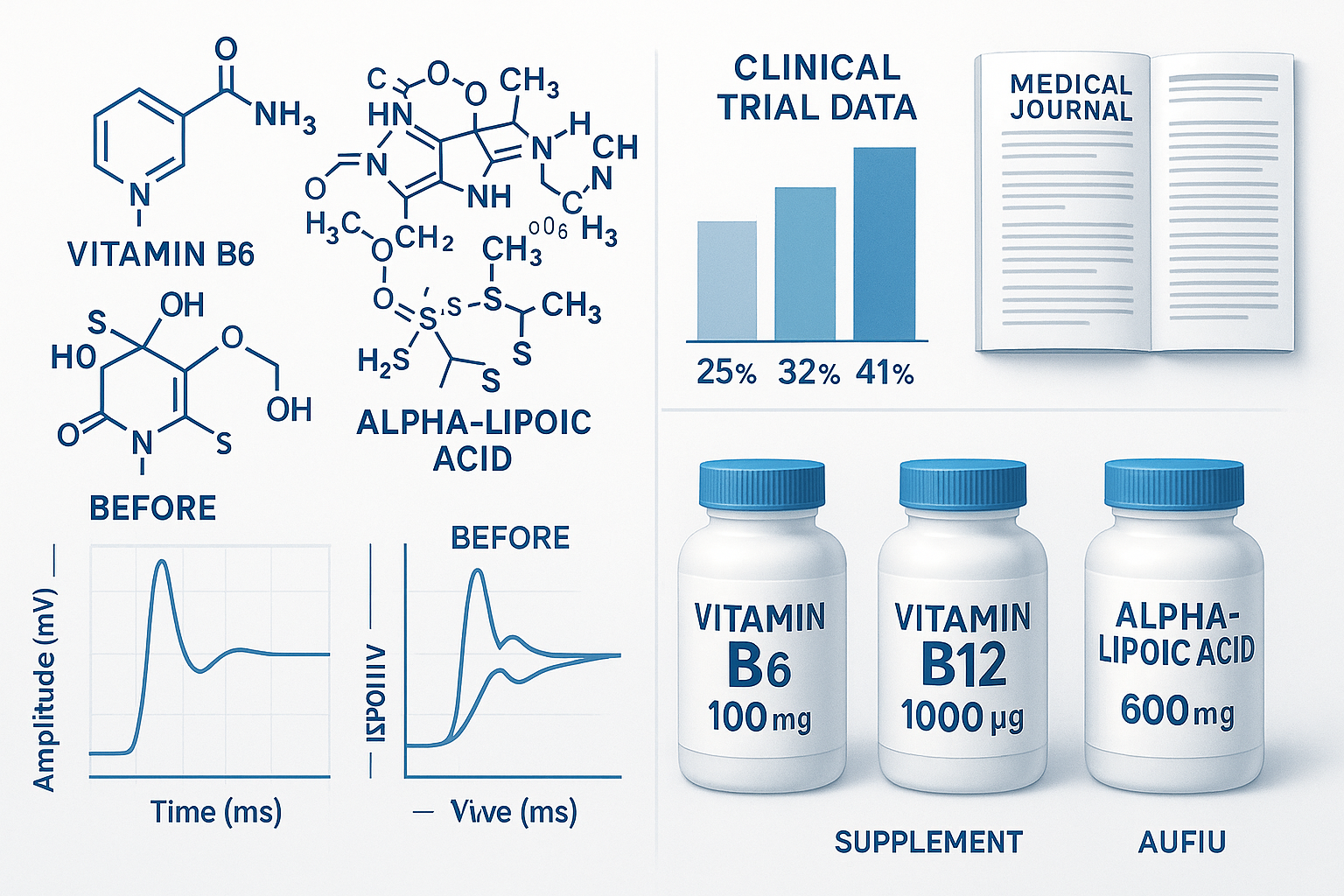
• Vitamin B6 supplementation at 100-150 mg daily for 10-12 weeks has shown marked improvement in carpal tunnel symptoms in controlled trials
• Vitamin D deficiency is an independent risk factor for carpal tunnel syndrome, and supplementation combined with corticosteroids shows superior results
• Alpha-lipoic acid combined with other nutrients demonstrates significant pain and symptom reduction when used alongside conventional treatments
• Methylcobalamin (B12) at 1500 mcg daily improved median nerve conduction in clinical studies over extended periods
• Evidence quality varies significantly between supplements, with some showing promise while others lack substantial clinical support
Carpal tunnel syndrome occurs when the median nerve becomes compressed as it passes through the carpal tunnel in the wrist. This compression leads to the characteristic symptoms of numbness, tingling, and pain that can significantly impact daily activities and quality of life.
The relationship between nutrition and nerve health is complex and multifaceted. Certain vitamins and minerals play crucial roles in:
When considering advances in carpal tunnel syndrome management, nutritional interventions represent an emerging area of interest that complements traditional treatment approaches.
Research into supplements for carpal tunnel syndrome has evolved significantly over the past two decades. Early studies focused primarily on individual nutrients, while more recent investigations examine combination therapies and their synergistic effects.
The challenge in evaluating supplements and vitamins for carpal tunnel: what the research actually shows lies in the variability of study designs, dosages, and outcome measures. However, several nutrients have demonstrated consistent benefits across multiple clinical trials.
Vitamin B6 (pyridoxine) represents the most extensively researched supplement for carpal tunnel syndrome. Multiple double-blind, placebo-controlled trials have investigated its therapeutic potential.
A landmark study examining vitamin B6 supplementation at 100-150 mg daily for 10-12 weeks demonstrated:
Another randomized trial combined splinting with 120 mg vitamin B6 daily, showing significantly milder carpal tunnel symptoms and faster median nerve conductivity compared to splinting alone after three months of treatment.
Vitamin B6 influences carpal tunnel syndrome through several pathways:
While vitamin B6 shows promise, some recent studies have found mixed results regarding its effectiveness. The evidence suggests that B6 may be most beneficial for individuals with documented deficiency or those in early stages of carpal tunnel syndrome.
Recent research has identified vitamin D deficiency as an independent risk factor for carpal tunnel syndrome development and symptom severity.
A significant clinical trial examined vitamin D supplementation combined with corticosteroid treatment in carpal tunnel patients with hypovitaminosis D. The results were remarkable:
Current research suggests that vitamin D supplementation is most effective when:
For individuals considering carpal tunnel prevention strategies, vitamin D status assessment may provide valuable insights.
Methylcobalamin, the active form of vitamin B12, has demonstrated specific benefits for nerve conduction and regeneration in carpal tunnel syndrome patients.
A two-year study involving stroke patients with subclinical carpal tunnel syndrome found that methylcobalamin supplementation at 1500 mcg daily was effective in:
Unlike other forms of B12, methylcobalamin:
While less studied than other B vitamins, riboflavin deficiency has been documented in carpal tunnel syndrome patients and may contribute to symptom severity.
Limited clinical evidence suggests that riboflavin supplementation may support:
However, more research is needed to establish definitive therapeutic protocols for riboflavin in carpal tunnel management.
Alpha-lipoic acid (ALA) has emerged as one of the most promising non-vitamin supplements for carpal tunnel syndrome, with multiple clinical trials demonstrating significant benefits.
A notable study examined alpha-lipoic acid combined with curcumin and B vitamins supplementation for three months before and after carpal tunnel surgery. The results showed:
Another trial investigating alpha-lipoic acid and gamma-linolenic acid combination therapy demonstrated significant improvement in both carpal tunnel symptoms and functional scores after 90 days of treatment.
Alpha-lipoic acid provides multiple therapeutic benefits:
MechanismBenefitClinical ImpactAntioxidant activityReduces oxidative stressProtects nerve tissuesAnti-inflammatoryDecreases tissue swellingReduces nerve compressionGlucose metabolismImproves cellular energyEnhances nerve functionRegenerative supportPromotes tissue repairAccelerates recovery
Curcumin, the active compound in turmeric, has been studied for its anti-inflammatory properties in carpal tunnel syndrome management.
While clinical trial evidence remains limited, preliminary research suggests curcumin may:
For individuals exploring comprehensive approaches to hand and wrist health, understanding carpal tunnel and ergonomic tools can complement nutritional strategies.
Magnesium deficiency has been implicated in various nerve-related conditions, though specific research on carpal tunnel syndrome remains limited.
Theoretical benefits of magnesium supplementation include:
Omega-3 fatty acids, particularly EPA and DHA, have well-established anti-inflammatory properties that may benefit carpal tunnel syndrome patients.
While direct clinical trials are lacking, omega-3 supplementation may support:
When examining supplements and vitamins for carpal tunnel: what the research actually shows, it's crucial to distinguish between evidence-based benefits and marketing claims.
Vitamin B6 ⭐⭐⭐⭐
Vitamin D ⭐⭐⭐⭐
Alpha-Lipoic Acid ⭐⭐⭐⭐
Methylcobalamin (B12) ⭐⭐⭐
Curcumin ⭐⭐⭐
Magnesium ⭐⭐
Omega-3 Fatty Acids ⭐⭐
It's important to acknowledge that evidence for supplement effectiveness remains mixed in many cases. Some key limitations include:
"While some supplements show genuine promise for carpal tunnel syndrome, they should be viewed as complementary to, not replacements for, established medical treatments." - Clinical Research Review, 2025
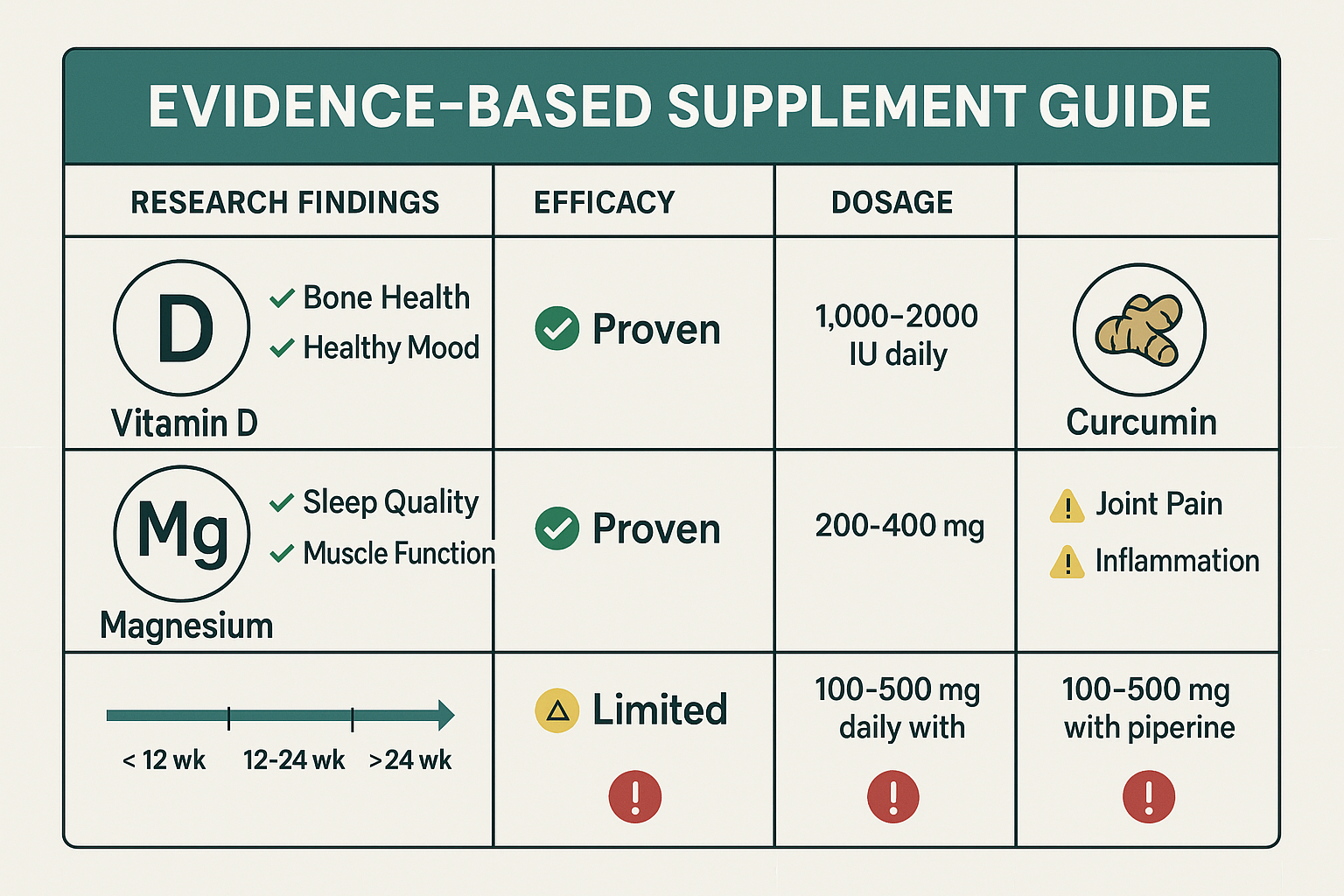
Based on clinical research, the following dosing protocols have shown effectiveness:
Vitamin B6
Vitamin D
Alpha-Lipoic Acid
Methylcobalamin
While generally safe, supplements can interact with medications and medical conditions:
For individuals considering carpal tunnel surgery alternatives, supplement therapy may provide valuable non-invasive options.
Research suggests that combination approaches may be more effective than single-nutrient supplementation:
Effective Combinations
Timing Strategies
Supplements work best when integrated with established carpal tunnel treatments:
Conservative Management
Medical Treatments
Lifestyle Modifications
While supplements may provide symptom relief, certain situations require immediate medical attention:
🚨 Red Flags
For comprehensive evaluation and treatment options, consider consulting with specialists at The Minor Surgery Center who can provide expert assessment and personalized treatment recommendations.
Current research is exploring several exciting avenues:
Personalized Nutrition
Novel Compounds
Delivery Methods
Future supplement therapy for carpal tunnel syndrome may involve:
For those interested in staying current with treatment advances, the blog section provides regular updates on emerging therapies and research developments.
When evaluating supplements and vitamins for carpal tunnel: what the research actually shows, cost-effectiveness becomes an important factor:
Monthly Supplement Costs
Comparative Treatment Costs
Not all supplements are created equal. Key factors for selection include:
Quality Indicators
Bioavailability Factors
The research on supplements and vitamins for carpal tunnel: what the research actually shows reveals a nuanced landscape of potential benefits and limitations. While certain nutrients demonstrate genuine promise based on clinical evidence, others remain largely theoretical in their applications.
Key Evidence-Based Recommendations:
Important Caveats:
Next Steps for Readers:
For individuals seeking comprehensive carpal tunnel evaluation and treatment options, professional medical assessment can provide personalized recommendations that incorporate both conventional therapies and evidence-based nutritional interventions.
The future of carpal tunnel syndrome management likely involves a multifaceted approach that combines the best of conventional medicine with scientifically-supported nutritional strategies. While supplements alone may not provide complete symptom resolution for all patients, they represent a valuable tool in the comprehensive management of this common and often debilitating condition.
Remember that managing carpal tunnel flare-ups requires patience and consistency, whether using supplements, conventional treatments, or combination approaches. The key is finding the right balance of interventions that work for your individual situation and health profile.