Onycholysis: Why Your Nails Are Lifting and What You Can Do About It
Have you ever noticed your nail starting to separate from the nail bed, creating a strange white or yellowish gap that just won't go away? You're not alone. This unsettling condition—called onycholysis—affects thousands of people every year, and it can be both frustrating and worrying. Whether it started after a manicure, an injury, or seemingly out of nowhere, that lifting nail is trying to tell you something important about your health.
The good news? Onycholysis is usually treatable once you understand what's causing it. Let's dive into everything you need to know about this common nail condition, from the surprising triggers to the practical solutions that actually work.
Key Takeaways
Onycholysis is the painless separation of the nail from the nail bed, creating a white or yellow discolored area that starts at the tip and can progress toward the cuticle
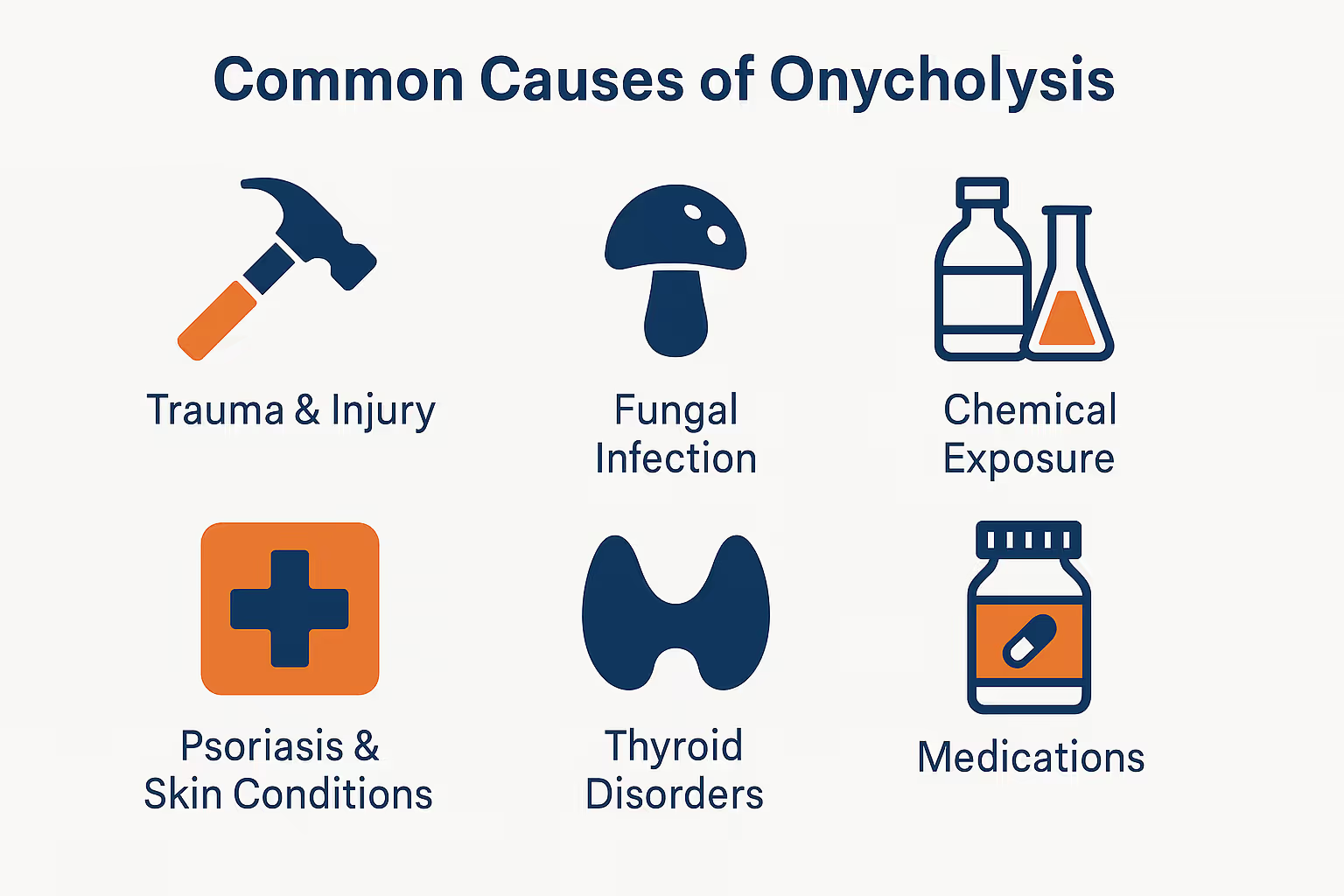
Common causes include trauma, fungal infections, psoriasis, thyroid disorders, and reactions to nail products or medications
Treatment focuses on identifying and eliminating the underlying cause, protecting the nail during regrowth, and maintaining excellent nail hygiene
Complete healing requires patience—nails grow slowly, and it can take 4-6 months for a fingernail and up to a year for a toenail to fully reattach
Professional medical evaluation is essential for persistent cases, as onycholysis can sometimes signal underlying health conditions that need attention
What Exactly Is Onycholysis?
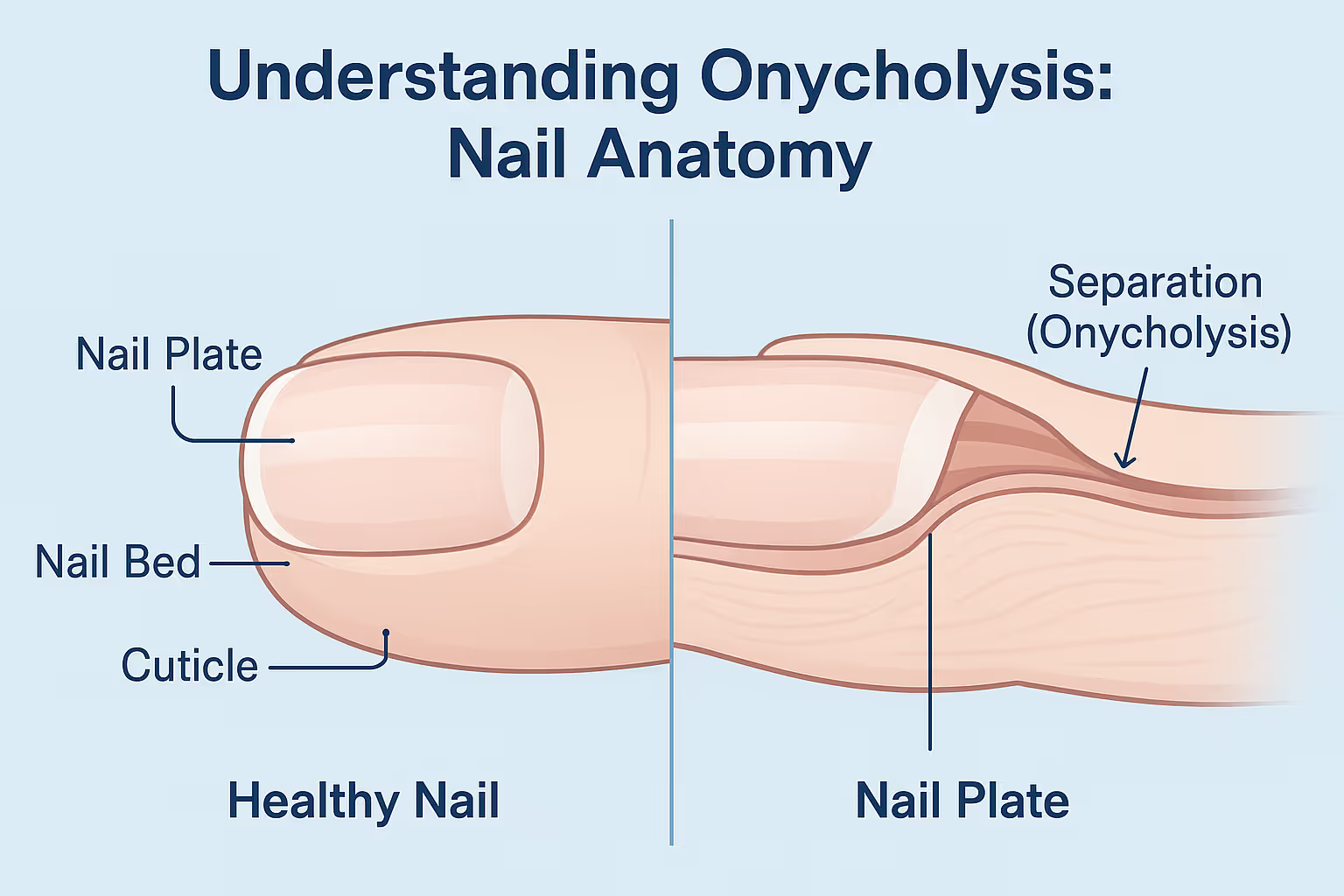
Onycholysis (pronounced on-ih-koh-LIE-sis) is the medical term for when your nail plate separates from the pink nail bed underneath. This separation creates a gap where air gets trapped, causing the detached portion to appear white, yellow, or sometimes greenish.
Think of it like wallpaper peeling away from a wall—the nail is still attached at the base near your cuticle, but it's lifted away from the skin underneath, starting from the free edge and potentially working its way back toward the cuticle.
How Common Is It?
Onycholysis is one of the most frequent nail problems that healthcare providers see. It affects people of all ages, though it's more common in:
Women (partly due to longer nails and more frequent exposure to nail products)
Adults over 40
People with certain medical conditions like psoriasis or thyroid disease
Those who work with their hands in wet environments or with chemicals
The condition typically affects just one or two nails, though it can involve multiple nails simultaneously, especially when triggered by systemic causes.
What Does Onycholysis Look Like?
Recognizing onycholysis early can help you address it before it worsens. Here's what to watch for:
Visual Signs
White or yellow discoloration starting at the free edge of the nail
A clear gap between the nail and the nail bed when viewed from the side
The separated area may appear opaque rather than the healthy pink color of attached nail
Irregular border between the attached and detached portions
Sometimes a greenish tint if bacterial colonization occurs in the gap
Physical Characteristics
Usually painless unless there's an infection or significant trauma
The nail may feel loose or catch on things
No bleeding in typical cases (unlike when you tear a nail)
The nail plate itself remains intact—it's not crumbling or breaking, just lifting
"Onycholysis isn't about your nail being damaged or diseased—it's about the connection between your nail and the skin beneath it being disrupted. Understanding this distinction is key to effective treatment."
What Causes Onycholysis? The Surprising Triggers
The reasons your nail might be lifting are more varied than you'd think. Let's break down the most common culprits:
1. Trauma and Injury 🔨
Physical trauma is the leading cause of onycholysis. This includes:
Repetitive minor trauma from typing, playing piano, or other activities
Aggressive manicures that push back cuticles too forcefully
Wearing shoes that are too tight (especially for toenails)
Stubbing your toe or catching your nail on something
Overly long nails that are more prone to catching and lifting
The trauma doesn't have to be dramatic—even small, repeated impacts can gradually cause the nail to separate.
2. Fungal Infections 🦠
Onychomycosis (fungal nail infection) is a major cause of nail separation. The fungus grows in the space between the nail and nail bed, causing:
Thickening and discoloration
A crumbly texture
Foul odor in some cases
Progressive separation
Fungal infections are particularly common in toenails and can be stubborn to treat.
3. Chemical Exposure and Irritants 🧪
Your nails are surprisingly sensitive to chemicals:
Nail polish removers (especially acetone-based products)
Harsh cleaning products used without gloves
Acrylic nails and gel manicures (particularly during removal)
Formaldehyde in some nail hardeners
Occupational chemical exposure (hairdressers, cleaners, healthcare workers)
4. Skin Conditions
Several dermatological conditions can trigger onycholysis:
Psoriasis is one of the most common, causing:
Nail pitting
Oil-drop discoloration
Thickening
Separation from the nail bed
Eczema and contact dermatitis can also affect nail attachment, especially when the skin around the nail is inflamed.
5. Systemic Health Conditions 🏥
Sometimes, lifting nails signal something happening inside your body:
Thyroid disorders (both hyperthyroidism and hypothyroidism)
Iron deficiency anemia
Peripheral vascular disease (reduced blood flow to extremities)
Diabetes (which can affect circulation and increase infection risk)
Autoimmune conditions
6. Medications and Treatments 💊
Certain medications can cause onycholysis as a side effect:
Psoralen (used in PUVA therapy for skin conditions)
Some anti-malarial medications
7. Infections (Beyond Fungal)
Bacterial infections can develop in the gap, causing green discoloration
Viral warts near or under the nail
Candida (yeast) infections, especially in people who frequently have wet hands
8. Photosensitivity Reactions ☀️
Some people develop onycholysis after sun exposure, particularly if they're taking photosensitizing medications or using certain fragrances or citrus oils on their hands before sun exposure.
How Is Onycholysis Diagnosed?
While you might suspect onycholysis based on appearance alone, proper diagnosis often requires professional evaluation—especially if the cause isn't obvious or the condition doesn't improve with basic care.
Take a detailed history about when you first noticed the problem, your occupation, hobbies, medications, and overall health
Examine all your nails (not just the affected ones) to look for patterns
Check the skin around your nails and elsewhere for signs of psoriasis or other conditions
Perform specific tests if needed
Diagnostic Tests
Depending on what your provider suspects, they might recommend:
TestPurposeWhat It InvolvesFungal culture or KOH prepIdentify fungal infectionScraping from under the nail examined under microscope or culturedBacterial cultureIdentify bacterial infectionSample from the nail bedNail clipping biopsyRule out melanoma or other serious conditionsSmall sample of nail sent to pathologyBlood testsCheck thyroid function, iron levels, etc.Standard blood drawPatch testingIdentify allergic contact dermatitisSmall amounts of potential allergens applied to skin
Conditions That Can Mimic Onycholysis
Your provider will also rule out other nail conditions that might look similar:
Melanoma (a dark line or discoloration under the nail)
Subungual hematoma (blood under the nail from injury)
Onychomadesis (complete nail shedding from the base)
Nail dystrophy from other causes
Treatment Options: What Actually Works
The key to treating onycholysis is addressing the underlying cause while protecting the nail as it grows out. Here's your comprehensive action plan:
Step 1: Identify and Eliminate the Trigger
This is absolutely critical. If you keep exposing your nail to whatever caused the problem, it won't heal.
Action items:
Stop using irritating nail products
Wear protective gloves for wet work or chemical exposure
Trim nails short to prevent trauma
Switch to gentler nail care practices
Address any underlying medical conditions with your doctor
Step 2: Trim the Separated Portion
The lifted part of your nail won't reattach. You need to:
✂️ Carefully clip away the separated nail as far back as it's detached
This prevents the gap from catching on things and worsening
It reduces the space where bacteria or fungi can grow
Use clean, sharp nail clippers
Don't try to force reattachment—it won't work
Step 3: Keep It Clean and Dry
The separated area is vulnerable to infection:
Wash hands regularly with mild soap
Dry thoroughly after washing, especially under the nail edge
Avoid prolonged water exposure—wear gloves for dishes, cleaning, etc.
Don't use nail polish on affected nails until fully healed
Avoid nail salons until the condition resolves
Step 4: Treat Any Infection
For fungal infections:
Topical antifungal treatments (like ciclopirox or amorolfine lacquer)
Oral antifungal medications for more severe cases (terbinafine, itraconazole)
Treatment typically lasts 3-6 months or longer
For bacterial infections:
Topical or oral antibiotics as prescribed
Improved hygiene practices
Step 5: Address Underlying Conditions
Work with your healthcare provider to manage:
Psoriasis (topical treatments, systemic medications if needed)
Nail removal in severe cases where the nail is significantly damaged
Treatment of underlying skin conditions
Guidance on preventing recurrence
For complex cases involving systemic conditions, you might be referred to specialists like dermatologists, endocrinologists, or rheumatologists.
How Long Does Recovery Take?
Here's the truth: treating onycholysis requires patience. Nails grow slowly, and you won't see overnight results.
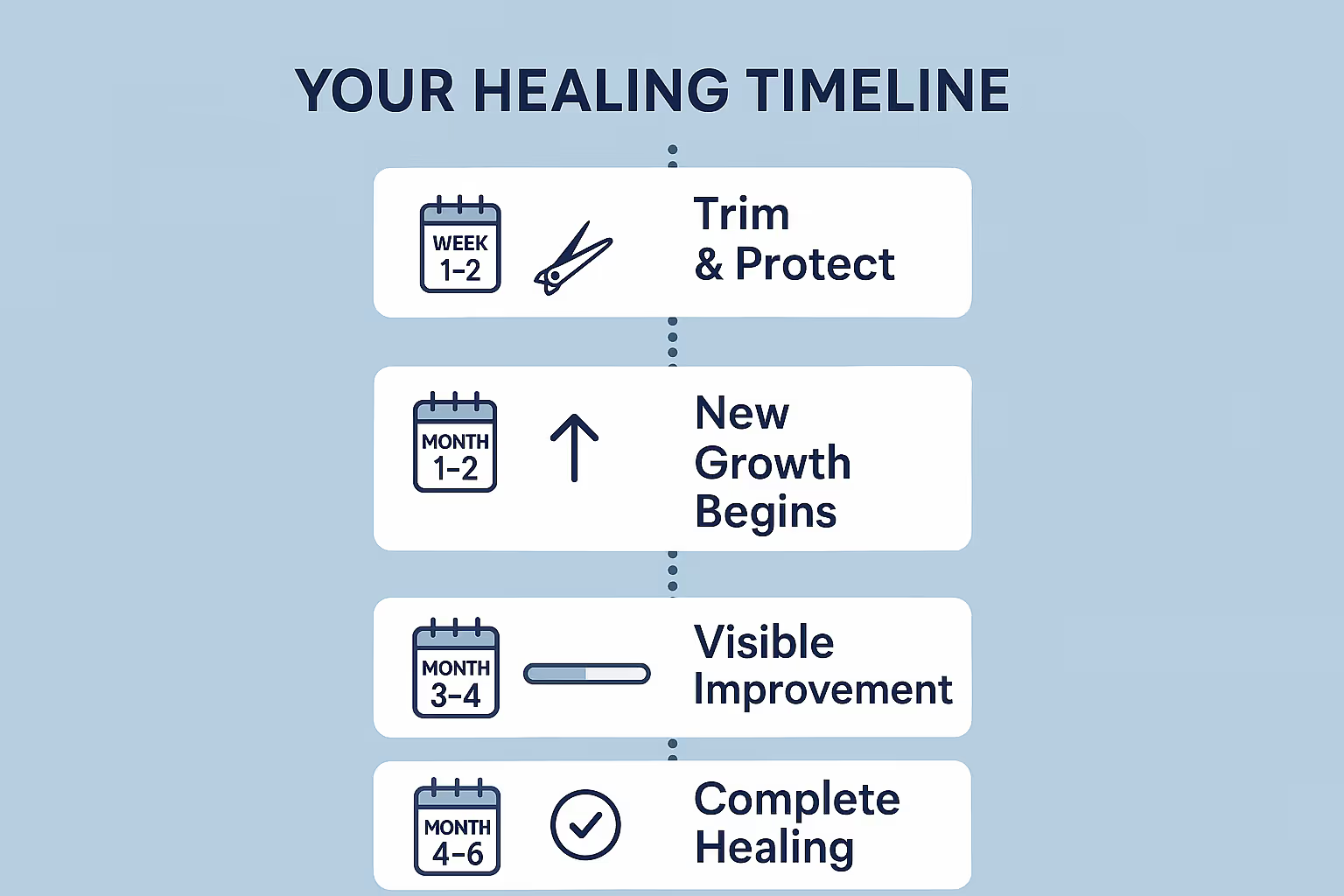
Typical Timeline
Fingernails:
Grow approximately 3mm per month
Complete regrowth takes 4-6 months
You should see new, healthy nail growth within the first month
Toenails:
Grow approximately 1mm per month
Complete regrowth takes 12-18 months
Progress is slower but follows the same pattern
What to Expect During Healing
Week 1-2:
Focus on eliminating triggers and establishing good care routine
Trim separated portions
Begin any prescribed treatments
Month 1-2:
Should see new, healthy nail growth from the cuticle
Separated portion continues to grow out
May need to trim separated areas periodically
Month 3-4:
Noticeable improvement in fingernails
More healthy nail visible
Toenails still have significant growing to do
Month 6+:
Fingernails may be fully healed
Toenails still growing out
Can gradually return to normal nail care practices
"The hardest part of treating onycholysis is often the waiting. But remember—every day, healthy new nail is growing from the base. Stay consistent with your care routine, and you'll get there."
Special Considerations for Different Types of Onycholysis
Traumatic Onycholysis
Characteristics:
Usually affects one nail
Clear history of injury
May have associated bruising initially
Treatment focus:
Prevent further trauma
Protect during healing
Usually resolves well once trigger is removed
Fungal Onycholysis
Characteristics:
May affect multiple nails
Yellow or white discoloration
Thickening and crumbling
Often starts at the tip
Treatment focus:
Antifungal therapy (often prolonged)
Excellent hygiene
May require oral medications
Prevention of spread
Psoriatic Onycholysis
Characteristics:
Often multiple nails affected
May have nail pitting
Oil-drop discoloration
Usually have psoriasis elsewhere
Treatment focus:
Treating underlying psoriasis
Topical steroids or vitamin D analogs
Sometimes systemic psoriasis medications
Ongoing management
Photo-Onycholysis
Characteristics:
Occurs after sun exposure
Often related to medications or fragrances
May affect multiple nails
Can be painful
Treatment focus:
Identifying and avoiding photosensitizing agent
Sun protection
Usually resolves once trigger is removed
Preventing Onycholysis: Your Long-Term Strategy
Once you've dealt with onycholysis, you'll want to prevent it from coming back. Here's how:
Nail Care Best Practices
Keep nails at a moderate length—long nails are more prone to trauma
File in one direction rather than sawing back and forth
Don't use nails as tools (opening cans, scratching, etc.)
Choose nail salons carefully—ensure they follow proper hygiene protocols
Give your nails breaks from polish and artificial enhancements
Lifestyle Modifications
Wear properly fitted shoes that don't crowd your toes
Use protective gloves for wet work and chemical exposure
Manage stress (which can exacerbate skin conditions like psoriasis)
Stay hydrated and maintain good nutrition
Avoid excessive hand washing when possible, but always dry thoroughly when you do
Monitor for Early Signs
Catching problems early makes treatment easier:
Check nails weekly for any changes
Note any new separation, discoloration, or texture changes
Address minor trauma promptly
Don't ignore persistent problems
Regular Health Maintenance
Since onycholysis can signal systemic issues:
Keep up with regular check-ups
Manage chronic conditions properly
Report nail changes to your healthcare provider
Get thyroid function tested if recommended
The Emotional Impact: You're Not Alone
Let's talk about something that often gets overlooked—how onycholysis can affect your confidence and daily life.
Common Concerns
Many people with onycholysis feel:
Self-conscious about the appearance of their nails
Frustrated by the slow healing process
Worried that something serious is wrong
Embarrassed to show their hands or feet
Anxious about it spreading or worsening
These feelings are completely valid. Your hands are visible all day, and nail changes can be distressing.
Coping Strategies
While healing:
Remember that this is temporary and treatable
Focus on the progress you're making, not just how far you have to go
Consider wearing gloves in social situations if it helps your confidence
Talk to your healthcare provider about your concerns
Connect with others who've dealt with similar issues
Looking ahead:
Know that most cases of onycholysis resolve completely with proper treatment
Healthy nails will grow in
You'll learn to recognize and avoid your specific triggers
This experience makes you more attuned to your body's signals
Myths and Misconceptions About Onycholysis
Let's clear up some common misunderstandings:
Myth 1: "Onycholysis means I have a fungal infection"
Reality: While fungal infections can cause onycholysis, they're just one of many possible causes. Trauma, psoriasis, thyroid issues, and chemical exposure are equally common triggers.
Myth 2: "I can glue the nail back down"
Reality: Once separated, the nail won't reattach to the nail bed. The only solution is to trim away the separated portion and wait for healthy nail to grow out from the base.
Myth 3: "Taking biotin supplements will fix it"
Reality: While biotin supports overall nail health, it won't cure onycholysis. You need to address the underlying cause, whether that's trauma, infection, or a systemic condition.
Myth 4: "It's just cosmetic and not worth seeing a doctor"
Reality: Onycholysis can indicate underlying health problems like thyroid disease or psoriasis. Professional evaluation is important, especially for persistent or recurrent cases.
Myth 5: "Nail polish will hide it and protect it"
Reality: Covering affected nails with polish can actually trap moisture and worsen the problem, especially if there's an infection. Keep affected nails clean, dry, and polish-free during treatment.
Frequently Asked Questions
Q: Can onycholysis spread to other nails?
A: If caused by a fungal infection, yes—it can spread to other nails. If caused by trauma or a systemic condition, multiple nails might be affected simultaneously, but it's not "spreading" in the contagious sense. Good hygiene and avoiding sharing nail tools helps prevent fungal spread.
Q: Will my nail ever look normal again?
A: In most cases, yes! Once the underlying cause is addressed and the affected nail grows out completely, the new nail growth should be healthy and normal-looking. This requires patience and consistent care.
Q: Can I still get manicures or pedicures?
A: It's best to avoid nail salon services while you're treating onycholysis. The risk of infection is higher, and many salon procedures could worsen the condition. Once fully healed, you can return to normal nail care—just choose reputable salons with excellent hygiene practices.
Q: Is onycholysis contagious?
A: Onycholysis itself isn't contagious, but if it's caused by a fungal or bacterial infection, that infection could potentially spread to others through shared nail tools or contaminated surfaces. This is another reason why proper diagnosis and treatment are important.
Q: Should I remove the entire nail?
A: Usually, no. In most cases, you only need to trim away the separated portion. Complete nail removal is rarely necessary and is typically reserved for severe cases with significant infection or damage. Your healthcare provider can guide you on the best approach for your situation.
Q: Can stress cause onycholysis?
A: Stress doesn't directly cause onycholysis, but it can exacerbate underlying conditions like psoriasis that lead to nail separation. Stress can also lead to nail-biting or picking behaviors that cause trauma. Managing stress is part of overall health and can indirectly support nail health.
For more detailed answers to common questions about various conditions, visit our FAQs page.
When Onycholysis Signals Something More Serious
While most cases of onycholysis are benign and treatable, occasionally nail changes can indicate more serious conditions. Here's what to watch for:
Warning Signs
Seek prompt medical evaluation if you notice:
Dark brown or black discoloration under the nail (could indicate melanoma)
Severe pain that doesn't match the visible changes
Rapid progression affecting multiple nails quickly
Systemic symptoms like fatigue, weight changes, or other unexplained health issues
Nail changes accompanied by joint pain or skin rashes (could indicate autoimmune conditions)
Conditions That May Present with Onycholysis
Melanoma (skin cancer under the nail)
Thyroid disease (hyper- or hypothyroidism)
Psoriatic arthritis
Systemic lupus erythematosus
Peripheral arterial disease
Medication reactions requiring drug adjustment
The experienced team at The Minor Surgery Center can evaluate your nails and help determine whether further investigation is needed.
The Role of Professional Care
While many cases of onycholysis can be managed with home care once the cause is identified, professional medical evaluation offers important benefits:
Why Professional Diagnosis Matters
✓ Accurate identification of the underlying cause ✓ Appropriate treatment tailored to your specific situation ✓ Early detection of systemic health issues ✓ Prevention of complications like infection ✓ Peace of mind knowing you're on the right track
What to Expect at Your Appointment
When you visit a healthcare provider for onycholysis evaluation:
Comprehensive history about your symptoms, occupation, hobbies, and overall health
Thorough examination of all nails and surrounding skin
Diagnostic testing if indicated (fungal cultures, blood work, etc.)
Clear explanation of findings and what's causing your nail lifting
Personalized treatment plan with specific instructions
Follow-up scheduling to monitor progress
At The Minor Surgery Center, our expert providers take the time to understand your unique situation and develop a treatment approach that fits your lifestyle and health needs.
Living with Onycholysis: Practical Daily Tips
Managing onycholysis becomes easier when you integrate protective habits into your daily routine:
Morning Routine
☀️ Check nails for any overnight changes
💧 Apply prescribed treatments or moisturizer
🧤 Prepare gloves if you'll be doing wet work today
👟 Choose appropriate footwear that doesn't crowd toes
At Work
💻 Take breaks if you type extensively (reduces repetitive trauma)
🧼 Wash hands gently and dry thoroughly
🧤 Keep disposable gloves handy for unexpected situations
✋ Avoid using nails as tools
Evening Routine
🚿 Clean nails gently after the day's activities
🩹 Apply any prescribed medications
💅 Trim any newly separated portions carefully
📝 Note any changes in a symptom diary
Weekend and Leisure
🏊 Dry nails thoroughly after swimming or bathing
👠 Give your feet a break from tight or high-heeled shoes
🧘 Practice stress-reduction techniques
🥗 Enjoy nutrient-rich meals that support overall health
The Connection Between Nail Health and Overall Wellness
Your nails are more than just cosmetic features—they're windows into your overall health. Onycholysis is often your body's way of signaling that something needs attention.
This is why persistent nail changes deserve professional evaluation—they might be pointing to health issues that need treatment.
Cost Considerations and Insurance Coverage
Understanding the financial aspect of onycholysis treatment helps you plan appropriately.
Typical Costs
Treatment costs vary based on:
The underlying cause
Whether prescription medications are needed
Type of diagnostic testing required
Number of follow-up visits
Approximate ranges:
Office visit: $100-300 without insurance
Fungal cultures: $50-200
Prescription antifungals: $50-500+ depending on type and duration
Blood work: $50-300 depending on tests ordered
Insurance Coverage
Most health insurance plans cover:
✓ Diagnostic evaluation of nail conditions
✓ Treatment of infections
✓ Management of underlying medical conditions (psoriasis, thyroid disease, etc.)
Insurance may not cover:
✗ Purely cosmetic treatments
✗ Over-the-counter products
✗ Preventive nail care products
For an estimate of costs related to minor surgical procedures or consultations, check out our cost estimator tool.
Making Treatment Affordable
Ask about generic medication options
Inquire about payment plans if needed
Check if your provider offers bundled pricing for treatment courses
Some topical treatments are available over-the-counter at lower cost
HSA or FSA funds can often be used for nail condition treatment
Onycholysis in Special Populations
Certain groups may have unique considerations when dealing with nail separation:
Athletes and Active Individuals
Higher risk due to:
Repetitive trauma from sports activities
Sweaty, moist environments in athletic shoes
Increased exposure to communal showers (fungal risk)
Prevention strategies:
Choose properly fitted athletic shoes with adequate toe room
Change socks frequently
Use antifungal powder in shoes
Dry feet thoroughly after showering
Trim toenails straight across, not too short
People with Diabetes
Special concerns:
Reduced circulation can slow healing
Increased infection risk
May have reduced sensation (neuropathy) making early detection harder
Important precautions:
Never ignore nail changes—see a healthcare provider promptly
Maintain excellent blood sugar control
Inspect feet and nails daily
Never attempt aggressive self-treatment
Work with a podiatrist familiar with diabetic foot care
Older Adults
Considerations:
Nails grow more slowly, extending treatment time
May have multiple contributing factors (medications, circulation issues, etc.)
Reduced dexterity can make nail care challenging
Helpful approaches:
Regular professional nail care if self-care is difficult
Simplified treatment regimens
Focus on prevention of complications
Address underlying health conditions
Healthcare Workers and Service Professionals
Occupational challenges:
Frequent hand washing
Glove use (can trap moisture)
Exposure to chemicals and irritants
Workplace strategies:
Change gloves regularly
Use hand moisturizer frequently
Keep nails short for hygiene and protection
Report persistent nail issues to occupational health
The Science Behind Nail Attachment
Understanding how nails normally attach helps explain why onycholysis occurs and how healing happens.
Nail Anatomy 101
Your nail unit consists of:
Nail plate: The hard, visible part
Nail bed: The skin underneath
Nail matrix: The growth center under the cuticle
Cuticle: Protective seal at the base
Nail folds: Skin on the sides
How Attachment Works
The nail plate adheres to the nail bed through:
Microscopic ridges on the underside of the nail plate that interlock with the nail bed
Onychocorneal band: A specialized area where the nail firmly attaches
Healthy circulation providing nutrients and maintaining the bond
Why Separation Occurs
Onycholysis happens when this attachment is disrupted by:
Physical forces that pry the nail away
Inflammation in the nail bed (from infection, psoriasis, etc.)
Moisture weakening the attachment
Chemical damage to the nail bed or plate
Reduced blood flow compromising nail bed health
The Healing Process
Recovery requires:
Eliminating the disrupting factor (trauma, infection, etc.)
Protecting the nail bed from further damage
Allowing new nail to grow from the matrix
Maintaining optimal conditions for the new nail to attach properly
This is why you can't simply "reattach" a separated nail—you must wait for new, healthy nail to grow out from the base.
Alternative and Complementary Approaches
While medical treatment addresses the underlying cause, some complementary approaches may support nail health:
Evidence-Based Complementary Options
Tea tree oil:
Has antifungal properties
May help as an adjunct to conventional antifungal treatment
Apply diluted to affected areas
Not a substitute for prescription treatment in moderate to severe cases
Proper nutrition:
Adequate protein, biotin, iron, and zinc support nail health
Won't cure onycholysis but supports overall nail strength
Consider supplementation if deficient (check with your provider first)
Stress management:
Reduces exacerbation of conditions like psoriasis
May decrease nervous habits like nail picking
Supports overall immune function
Approaches to Avoid
❌ Home remedies without medical guidance (like vinegar soaks for presumed fungal infections—may delay proper treatment) ❌ Aggressive self-treatment (trying to force reattachment, using harsh chemicals) ❌ Delaying professional care while trying alternative approaches for serious conditions ❌ Stopping prescribed medications in favor of supplements without consulting your provider
Always discuss any complementary approaches with your healthcare provider to ensure they won't interfere with your treatment plan.
Success Stories: What Recovery Looks Like
While everyone's journey is unique, understanding what successful treatment looks like can help set realistic expectations:
Case Example 1: Traumatic Onycholysis
Sarah, 34, developed onycholysis on her thumb after catching it in a car door.
Treatment approach:
Trimmed separated portion
Protected from further trauma
Kept clean and dry
Applied moisturizer to support healthy growth
Timeline:
Week 1-2: Trimmed back to attached nail, protected with bandage
Month 1-2: Visible healthy nail growth from base
Month 4: Nail approximately 75% regrown
Month 5: Complete healing, normal appearance
Case Example 2: Fungal Onycholysis
Michael, 52, noticed yellowing and separation of three toenails.
Treatment approach:
Fungal culture confirmed onychomycosis
Prescribed oral terbinafine for 12 weeks
Trimmed affected nails short
Applied topical antifungal as well
Improved foot hygiene
Timeline:
Month 1-3: Taking oral medication, nails still separated but no worsening
Month 4-6: New healthy nail visible growing from base
Month 9-12: Significant improvement, most of old nail grown out
Month 15: Complete resolution, healthy nails
Case Example 3: Psoriatic Onycholysis
Jennifer, 41, with known psoriasis, developed nail separation on multiple fingers.
Treatment approach:
Dermatologist optimized psoriasis treatment
Added topical steroid for nail folds
Vitamin D analog applied to nails
Protected nails from trauma
Kept nails short
Timeline:
Month 1-2: Psoriasis better controlled, no new separation
Month 3-6: Gradual improvement as nails grew out
Ongoing: Maintenance treatment to prevent recurrence
These examples illustrate that with proper diagnosis, appropriate treatment, and patience, onycholysis can be successfully resolved.
Conclusion: Your Path Forward
Discovering that your nails are lifting can be unsettling, but now you understand that onycholysis is a common, usually treatable condition. The key to successful resolution lies in identifying what's causing your nails to separate and addressing that underlying trigger.
Your Action Plan
If you're currently dealing with onycholysis:
Trim the separated portion carefully to prevent further damage and reduce infection risk
Identify potential causes—consider recent trauma, new products, medications, or health changes
Practice excellent nail hygiene—keep nails clean, dry, and protected
Eliminate likely triggers—stop using irritating products, protect from trauma, wear gloves for wet work
Seek professional evaluation if the condition doesn't improve within 2-3 weeks, if multiple nails are affected, or if you're uncertain about the cause
Be patient—remember that complete healing takes months as the nail grows out
Follow through with treatment—whether it's antifungal medication, managing psoriasis, or simply protecting the nail, consistency is crucial
Remember
Onycholysis is your body's signal that something needs attention
The separated nail won't reattach—you're waiting for healthy new growth
Most cases resolve completely with proper care
Professional evaluation can identify underlying health issues that need treatment
Prevention is possible once you know your triggers
When to Seek Expert Care
Don't hesitate to reach out to a healthcare professional if you're experiencing persistent nail separation, signs of infection, or if you're simply unsure about what's causing the problem. At The Minor Surgery Center, our compassionate team understands that nail problems can be both physically uncomfortable and emotionally distressing.
We're here to provide expert evaluation, accurate diagnosis, and effective treatment in a welcoming environment. Whether you need help identifying the cause of your onycholysis, treating an underlying infection, or managing a chronic condition affecting your nails, we'll work with you to develop a personalized care plan that fits your needs.
Your nails are an important part of your overall health and well-being. You deserve to feel confident in your skin—and that includes having healthy, strong nails. With the right approach and professional support when needed, you can overcome onycholysis and enjoy healthy nails once again.
For more information about the conditions we treat and the services we offer, explore our conditions page or visit our blog for additional health resources.
Take that first step today—your nails (and your peace of mind) will thank you.