

Have you ever experienced nagging shoulder pain accompanied by mysterious tingling in your fingers? 🤔 Many people assume these are separate issues requiring different treatments, but the reality might surprise you. Shoulder or neck pain but tingling in the hand? How carpal tunnel symptoms can 'travel' is a phenomenon that affects millions of workers, athletes, and everyday individuals who spend hours performing repetitive tasks.
This complex relationship between seemingly distant body parts occurs because of the intricate network of nerves that connect your neck, shoulder, arm, and hand. Understanding this connection can be the key to finally getting the relief you've been seeking.
• Carpal tunnel syndrome can cause referred pain that travels from the compressed median nerve at the wrist all the way up to the shoulder and neck region
• The median nerve originates near the cervical spine, creating a direct pathway for symptoms to radiate between the wrist and upper body
• Compensatory movement patterns developed to avoid wrist pain often lead to secondary muscle strain in the neck and shoulders
• Proper diagnosis is crucial because shoulder pain from carpal tunnel is frequently misdiagnosed as rotator cuff injuries or shoulder impingement
• Early intervention with conservative treatments can prevent progression to chronic pain and the need for surgical intervention
The human nervous system operates like an intricate highway system, with major nerve pathways connecting distant regions of the body. When it comes to shoulder or neck pain but tingling in the hand, how carpal tunnel symptoms can 'travel' becomes clear once you understand the anatomy involved.
The median nerve serves as the primary culprit in this complex pain pattern. This crucial nerve doesn't simply start at your wrist—it originates from the brachial plexus, a network of nerve roots located near your neck and shoulder region. From there, it travels down through your entire arm before passing through the narrow carpal tunnel at your wrist.
When the median nerve becomes compressed at the carpal tunnel, the effects can reverberate along this entire pathway. This explains why many patients experience:
Medical professionals recognize a condition called double-crush syndrome, where nerve compression occurs at multiple points along the same nerve pathway. In cases involving carpal tunnel syndrome, patients may experience:
This dual compression creates a more complex symptom pattern that can confuse both patients and healthcare providers. The nerve becomes more susceptible to compression at multiple sites, leading to symptoms that don't fit the typical carpal tunnel presentation.
For those seeking comprehensive treatment options, specialized clinics often provide integrated approaches that address both primary and secondary compression sites.
Shoulder or neck pain but tingling in the hand? How carpal tunnel symptoms can 'travel' involves several physiological mechanisms that work together to create this complex symptom pattern.
When the median nerve experiences compression at the carpal tunnel, several things happen simultaneously:
Nerve Inflammation: The compressed nerve becomes inflamed, sending pain signals along its entire length. These signals don't stop at the wrist—they travel back toward the nerve's origin point near the cervical spine.
Central Sensitization: Chronic nerve compression can lead to changes in how the central nervous system processes pain signals. This can cause the brain to interpret signals from the compressed nerve as coming from various points along its pathway.
Compensatory Muscle Tension: As individuals unconsciously modify their movements to avoid wrist pain, they often develop tension patterns in the:
Modern work environments contribute significantly to the development of complex carpal tunnel presentations. Poor ergonomics create a cascade of problems:
Postural ProblemPrimary EffectSecondary EffectForward head postureCervical spine compressionIncreased tension on brachial plexusRounded shouldersThoracic outlet narrowingReduced nerve mobilityElevated shouldersTrapezius muscle tensionReferred pain to neck and headProlonged wrist extensionCarpal tunnel compressionCompensatory shoulder elevation
Understanding these connections helps explain why carpal tunnel exercises and stretches often include movements that address the entire upper extremity, not just the wrist.
Many patients struggle to describe the unique sensation of carpal tunnel-related shoulder pain. Common descriptions include:
🔥 Burning Sensation: A deep, burning feeling that seems to originate from within the shoulder blade and radiates down the arm
⚡ Electric-like Shooting: Sharp, electric-like sensations that travel from the shoulder toward the hand, often triggered by specific movements
🪨 Deep Aching: A persistent, deep ache in the shoulder that worsens with hand activities like typing, gripping, or lifting
😴 Nighttime Intensification: Symptoms that become significantly worse during sleep, often waking patients from deep sleep
🤲 Activity-Related Patterns: Pain that correlates directly with hand and wrist activities, distinguishing it from primary shoulder conditions
One of the biggest challenges in addressing shoulder or neck pain but tingling in the hand? How carpal tunnel symptoms can 'travel' lies in accurate diagnosis. Many healthcare providers initially focus on the shoulder symptoms without considering the wrist connection.
Rotator Cuff Syndrome: The most frequent misdiagnosis occurs when shoulder pain from carpal tunnel gets attributed to rotator cuff problems. Key differences include:
Shoulder Impingement: Another common confusion arises with shoulder impingement syndrome. Distinguishing factors include:
Cervical Radiculopathy: This condition can mimic carpal tunnel but has distinct characteristics:
Healthcare providers use several approaches to differentiate carpal tunnel from primary shoulder conditions:
Nerve Conduction Studies: These tests measure how quickly electrical signals travel through the median nerve, identifying compression points.
Electromyography (EMG): This test evaluates muscle electrical activity, helping identify which nerves are affected.
Provocative Testing: Simple office tests can help distinguish carpal tunnel from shoulder problems:
For comprehensive evaluation and treatment, many patients benefit from consulting specialists who understand these complex presentations.
When dealing with shoulder or neck pain but tingling in the hand? How carpal tunnel symptoms can 'travel', treatment must address both the primary compression and secondary effects.
Comprehensive Splinting: Unlike simple carpal tunnel cases, complex presentations often benefit from:
Targeted Physical Therapy: Effective treatment programs include:
Anti-inflammatory Interventions: Various approaches can reduce nerve inflammation:
Understanding carpal tunnel flare-ups and their triggers helps patients manage complex symptom patterns more effectively.
Ergonomic Interventions: Comprehensive workplace modifications often include:
Injection Therapies: When conservative measures prove insufficient:
Surgical Considerations: For severe cases, surgical intervention may address:
Many patients find success with modern surgical approaches that minimize recovery time while maximizing outcomes.
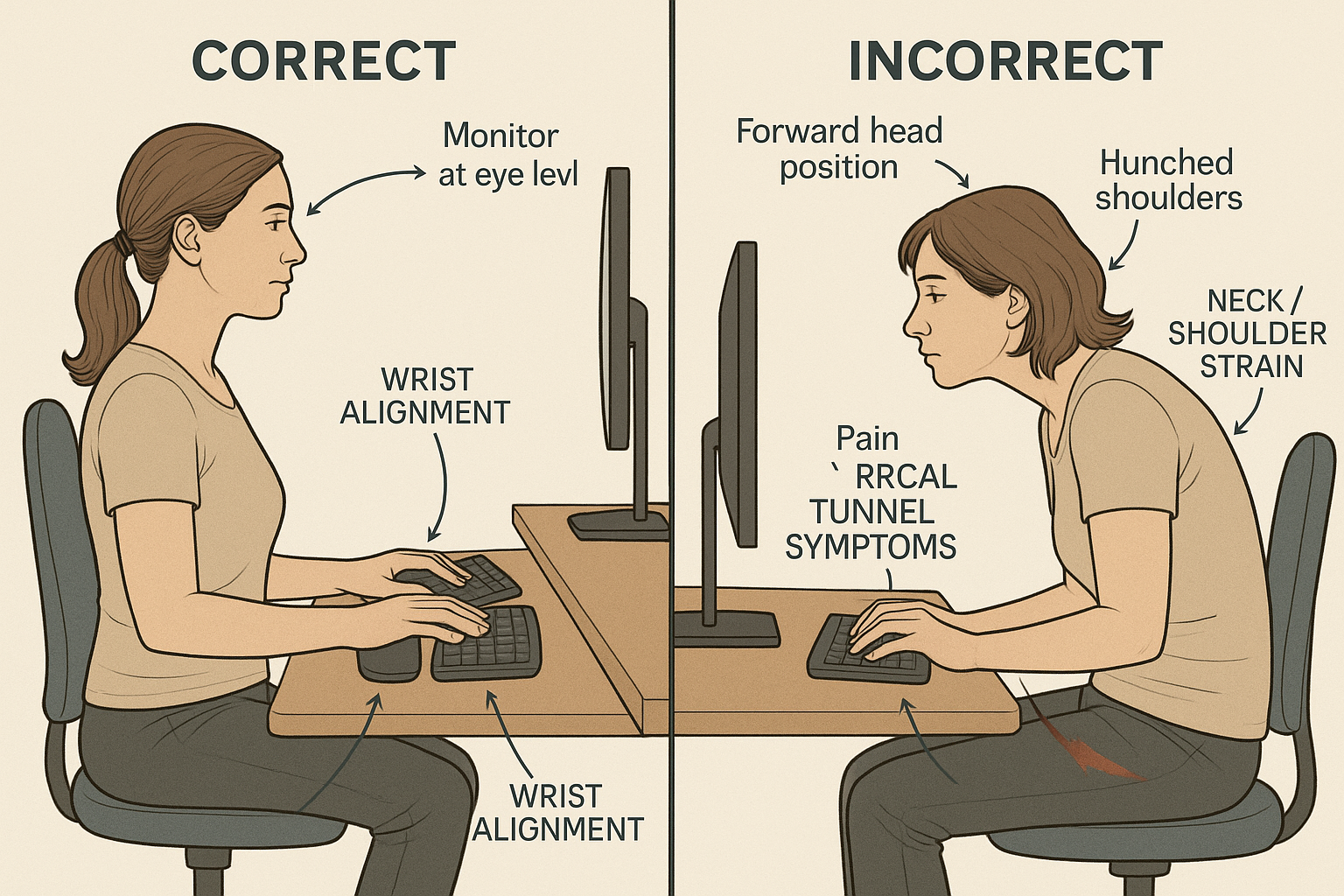
Preventing the development of complex carpal tunnel presentations requires a proactive approach that addresses multiple risk factors simultaneously.
Ergonomic Assessment: Regular evaluation of work environments should include:
Education and Training: Comprehensive programs should cover:
Sleep Positioning: Proper nighttime positioning can significantly impact symptoms:
Exercise Programs: Regular activity should include:
For those interested in comprehensive prevention strategies, ergonomic tools and techniques can provide valuable support for long-term management.
Symptom Tracking: Patients should monitor:
Regular Assessment: Ongoing evaluation should include:
Understanding when to escalate care for shoulder or neck pain but tingling in the hand? How carpal tunnel symptoms can 'travel' can prevent progression to more severe conditions.
Progressive Weakness: Any signs of increasing weakness in the hand or arm warrant immediate evaluation:
Severe Pain Patterns: Certain pain characteristics indicate need for urgent care:
Functional Limitations: Significant impact on daily activities requires professional intervention:
Primary Care Evaluation: Initial assessment should include:
Specialist Consultation: Consider referral for:
Many patients benefit from comprehensive treatment centers that offer integrated approaches to complex musculoskeletal conditions.
As our understanding of shoulder or neck pain but tingling in the hand? How carpal tunnel symptoms can 'travel' continues to evolve, new treatment approaches are emerging.
Diagnostic Improvements: New technologies are enhancing our ability to diagnose complex presentations:
Treatment Innovations: Emerging therapies show promise for complex cases:
Predictive Modeling: New approaches to prevention include:
Integrated Care Models: Healthcare delivery is evolving toward:
Understanding shoulder or neck pain but tingling in the hand? How carpal tunnel symptoms can 'travel' represents a crucial step in achieving effective treatment and long-term relief. The complex relationship between nerve compression at the wrist and symptoms throughout the upper extremity requires a comprehensive approach that addresses both primary and secondary factors.
The key to successful management lies in recognizing that carpal tunnel syndrome is not simply a wrist problem—it's a condition that can affect the entire upper extremity through nerve pathways, compensatory movement patterns, and secondary muscle tension. This understanding enables more effective treatment strategies that address the root cause while managing associated symptoms.
If you're experiencing shoulder or neck pain accompanied by hand tingling, consider these actionable steps:
Remember, early intervention often leads to better outcomes and can prevent the need for more invasive treatments. Don't let complex symptoms discourage you from seeking help—with proper understanding and treatment, relief is achievable.
The journey to recovery from complex carpal tunnel presentations may require patience and a multifaceted approach, but understanding the connections between your symptoms is the first step toward effective treatment and lasting relief.