
Removing a mole can bring relief and peace of mind, but what comes next often raises questions. The small wound left behind needs proper care to heal well and minimize scarring. Choosing the best scar care after mole removal can make a significant difference in how your skin looks months and years down the road. With countless products on store shelves and conflicting advice online, many people wonder: should they use silicone sheets, vitamin E oil, or simple petroleum jelly?
Understanding the best scar care after mole removal (silicone vs vitamin E vs petroleum jelly) requires looking at scientific evidence, real-world results, and practical considerations. Each option has its supporters and critics, but not all treatments deliver equal results. This comprehensive guide examines the science behind these three popular scar treatment options, helping you make an informed decision for optimal healing after mole removal.
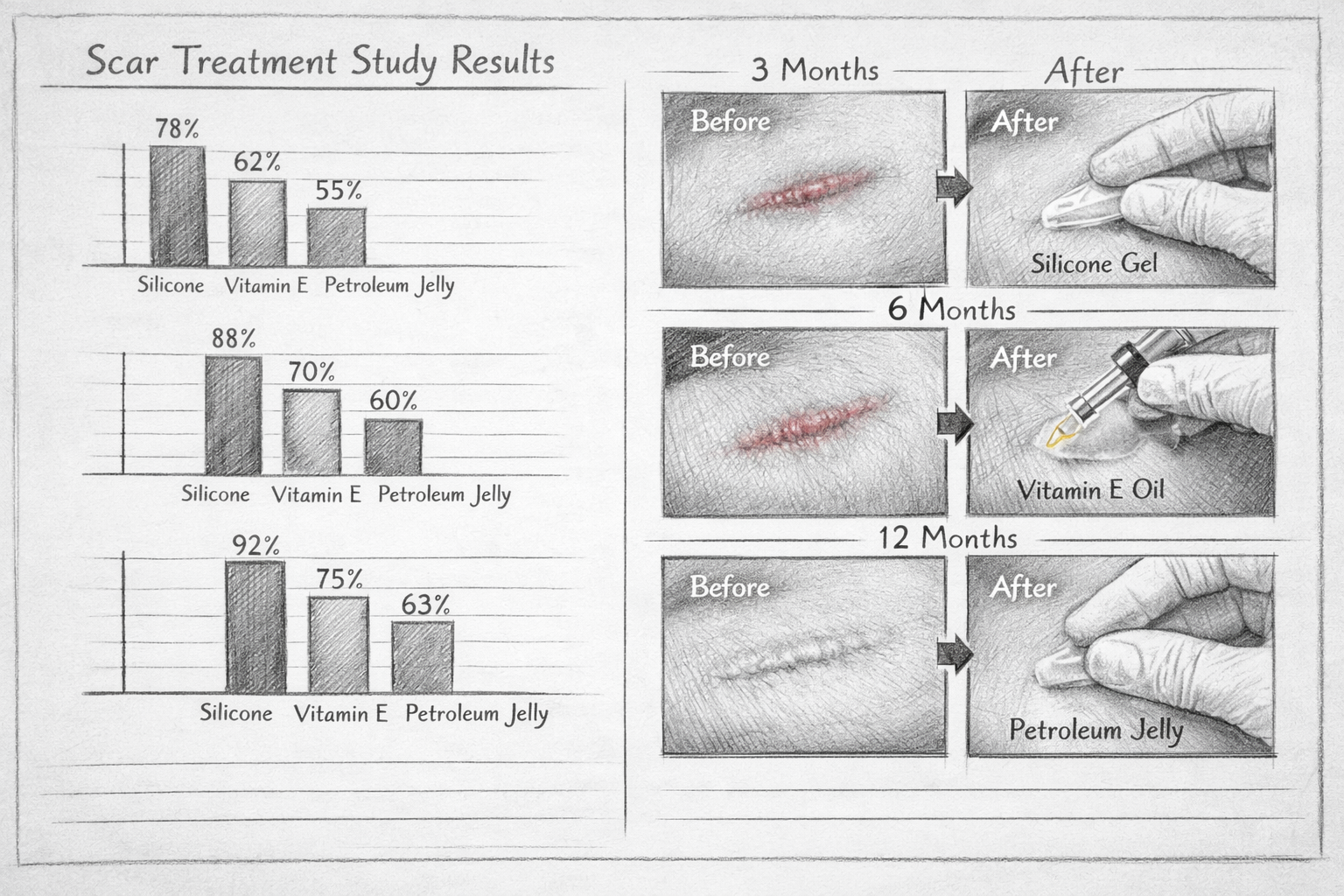
✅ Silicone-based products (sheets and gels) have the strongest scientific evidence for reducing scar appearance, with clinical studies showing 60-90% improvement in scar texture and color.
✅ Vitamin E lacks robust clinical support for scar improvement and may actually cause skin irritation or allergic reactions in up to 30% of users.
✅ Petroleum jelly serves as an excellent wound moisturizer during initial healing but offers limited long-term scar prevention benefits compared to silicone products.
✅ Timing matters significantly – starting scar treatment as soon as the wound closes (typically 1-2 weeks post-removal) produces better results than delayed intervention.
✅ Combination approaches often work best, using petroleum jelly for initial wound healing followed by silicone products for long-term scar management.

When a dermatologist removes a mole, they create a controlled wound in the skin. The body immediately begins a complex healing process involving three overlapping phases:
Inflammatory Phase (Days 1-5) 🔴
Proliferative Phase (Days 5-21) 🟡
Remodeling Phase (Weeks 3-24+) 🟢
The quality of scar formation depends heavily on factors like genetics, wound location, infection prevention, and post-removal care. This is where choosing the best scar care after mole removal becomes crucial.
Not all mole removal scars look the same. The removal method and individual healing characteristics influence scar type:
Scar TypeCharacteristicsCommon CausesFlat ScarSlightly lighter or darker than surrounding skinSuccessful healing, proper careRaised ScarElevated above skin surfaceExcess collagen productionDepressed ScarIndented below skin levelTissue loss, inadequate collagenHypertrophic ScarThick, raised, stays within wound boundariesGenetic factors, tension on woundKeloid ScarRaised, extends beyond original woundGenetic predisposition, darker skin tones
Understanding your scar risk helps determine the most appropriate treatment approach. People with darker skin tones or a family history of keloid formation need particularly vigilant scar management.
The remodeling phase represents a critical window for scar intervention. During the first 6-12 months after mole removal, scar tissue remains malleable and responsive to treatment. Research shows that starting scar care within the first few weeks produces significantly better outcomes than waiting months.
"The best time to begin scar treatment is as soon as the wound has closed and any scabs have fallen off naturally. This typically occurs 7-14 days after mole removal." – American Academy of Dermatology
Early intervention with the best scar care after mole removal (silicone vs vitamin E vs petroleum jelly) can:
Silicone-based scar treatments come in two main forms: silicone gel sheets and silicone gel. Both have become the preferred recommendation among dermatologists and plastic surgeons worldwide.
Silicone creates a semi-occlusive barrier over the healing scar. This barrier:
The exact mechanism remains partially unclear, but researchers believe silicone's effectiveness stems from its ability to maintain proper hydration levels while allowing oxygen exchange.
Silicone products boast the most robust clinical evidence of any topical scar treatment:
Research Highlights:
📊 Clinical Success Rates:
Silicone Gel Sheets:
Silicone Gel:
✅ Strongest scientific backing
✅ Effective for various scar types
✅ Safe for all skin types
✅ Can be used on children
✅ Works on old and new scars
✅ Minimal side effects
✅ Non-invasive and painless
❌ Higher cost ($20-60 per month)
❌ Requires consistent, long-term use
❌ Sheets may be visible under clothing
❌ Some people find sheets uncomfortable
❌ Adhesive may irritate sensitive skin
❌ Results take weeks to months
Vitamin E (tocopherol) has long enjoyed popularity as a scar treatment, largely based on its antioxidant properties and widespread availability. However, scientific evidence tells a different story than popular belief.
Proponents claim vitamin E:
These theoretical benefits sound promising, but clinical research reveals significant gaps between theory and reality.
The research on vitamin E for scar treatment is surprisingly disappointing:
Key Research Findings:
A landmark 1999 study published in Dermatologic Surgery examined vitamin E's effects on surgical scars:
A 2010 review in American Journal of Clinical Dermatology concluded:
📉 Clinical Reality:
Several factors explain vitamin E's poor performance:
✅ Widely available and inexpensive
✅ Easy to apply
✅ Pleasant texture
✅ Can provide moisturization
✅ Natural ingredient appeal
❌ Minimal scientific support for scar treatment
❌ High rate of allergic reactions (30%)
❌ May worsen scar appearance
❌ Can interfere with wound healing
❌ Not recommended by dermatologists
❌ False hope based on marketing, not science
Petroleum jelly (petrolatum) represents the simplest and most affordable option for post-mole removal care. While it lacks the targeted scar-fighting properties of silicone, it plays an important role in wound healing.
Petroleum jelly functions as an occlusive moisturizer:
Unlike silicone or vitamin E, petroleum jelly doesn't claim to actively improve scar appearance. Instead, it supports optimal healing conditions during the initial wound closure phase.
Research on petroleum jelly focuses primarily on wound healing rather than scar prevention:
Research Highlights:
However, long-term scar prevention studies show:
Petroleum jelly excels in specific scenarios:
Optimal Use Cases:
Many dermatologists recommend starting with petroleum jelly for the first 1-2 weeks, then transitioning to silicone products once the wound has closed.
✅ Extremely affordable ($3-8 for large jar)
✅ Widely available everywhere
✅ Excellent for initial wound healing
✅ Hypoallergenic and gentle
✅ Safe for all ages
✅ Multi-purpose household product
✅ Long shelf life
✅ Proven wound moisturizer
❌ Limited long-term scar improvement
❌ Greasy texture
❌ Can stain clothing and bedding
❌ May clog pores if used on intact skin
❌ Requires frequent reapplication
❌ Not specifically designed for scar treatment
When comparing the best scar care after mole removal (silicone vs vitamin E vs petroleum jelly), the scientific evidence clearly favors different products for different healing stages:
TreatmentInitial Healing (Weeks 1-2)Scar Prevention (Months 1-6)Long-term Improvement (6+ months)Overall GradeSiliconeGoodExcellentExcellentA+Vitamin EPoorPoorPoorDPetroleum JellyExcellentFairPoorB-
Budget considerations matter when choosing scar treatment, especially since effective care requires months of consistent use:
3-Month Treatment Costs:
💰 Silicone Products:
💰 Vitamin E:
💰 Petroleum Jelly:
Value Assessment:
While silicone costs significantly more, its superior effectiveness makes it the most cost-effective option when measured by results per dollar spent. Spending $90 on silicone that reduces scar visibility by 70% provides better value than spending $15 on vitamin E that shows no improvement.
Safety profiles vary considerably among these three options:
Silicone Products:
Vitamin E:
Petroleum Jelly:
Treatment effectiveness depends heavily on consistent, proper application:
Silicone Products:
Vitamin E:
Petroleum Jelly:
The best scar care after mole removal follows a strategic timeline that matches treatment to healing stage:
Primary Goal: Prevent infection and support wound closure
Recommended Care:
Products to Use:
Products to Avoid:
Primary Goal: Maintain moist wound environment and prevent scab formation
Recommended Care:
When to Transition:
Primary Goal: Minimize scar formation and improve appearance
Recommended Care:
Silicone Application Tips:
For Silicone Gel:
For Silicone Sheets:
Primary Goal: Continue improvement and protect scar
Recommended Care:
Many dermatologists recommend a sequential combination approach using different products at different healing stages:
Weeks 1-2: Petroleum jelly for wound healing
Weeks 2-12: Silicone gel or sheets for scar prevention
Ongoing: Sun protection and monitoring
This strategy leverages petroleum jelly's excellent wound healing properties during initial recovery, then transitions to silicone's superior scar prevention capabilities for long-term results.
Sometimes over-the-counter scar care isn't enough. Consider consulting a dermatologist for professional treatment if:
🔴 Scar shows no improvement after 3-4 months of silicone treatment
🔴 Scar is raised, thick, or keloid-forming
🔴 Significant color difference persists beyond 6 months
🔴 Scar causes pain, itching, or functional problems
🔴 Located in highly visible area requiring optimal cosmetic outcome
🔴 Signs of infection develop at any point
Professional Treatment Options:
These interventions work best when combined with appropriate at-home care using silicone products.
Many people wait until they notice a problematic scar developing before beginning treatment. By then, the optimal intervention window has partially closed.
Solution: Begin appropriate scar care as soon as the wound closes (typically 7-14 days post-removal).
Scar treatments require consistent, daily use for months to show results. Sporadic application significantly reduces effectiveness.
Solution: Set daily reminders, integrate scar care into existing routines (morning skincare, bedtime), and commit to the full treatment duration.
Disrupting the natural healing process increases inflammation, infection risk, and scar severity.
Solution: Keep hands away from the healing area. If itching occurs, apply petroleum jelly or use cold compress instead of scratching.
UV radiation darkens healing scars and can make them permanently more visible.
Solution: Apply broad-spectrum SPF 30+ sunscreen daily to the scar area for at least 12 months post-removal. Consider covering with clothing when possible.
The persistent myth that vitamin E helps scars leads many people to use ineffective products.
Solution: Follow evidence-based recommendations. Choose silicone products backed by clinical research rather than products promoted through marketing alone.
Scar improvement occurs gradually over months, not days or weeks.
Solution: Maintain realistic expectations. Take monthly photos to track subtle progress that's difficult to notice day-to-day.
Applying multiple scar treatments simultaneously can cause irritation and makes it impossible to determine what's working.
Solution: Stick to one evidence-based approach (silicone) rather than mixing multiple unproven remedies.
Darker skin tones face unique scar challenges:
Increased Risk Factors:
Adapted Care Recommendations:
Mole removal on the face requires special attention due to visibility:
Facial Scar Strategies:
Joints and frequently moving body parts present challenges:
Movement-Prone Areas (shoulders, back, joints):

The wound typically closes within 1-2 weeks, but complete scar maturation takes 12-18 months. Most visible improvement occurs in the first 3-6 months with proper care.
Complete scar prevention is impossible – any wound that penetrates the dermis will form some scar tissue. However, proper care can minimize scar visibility by 60-90%, making many scars barely noticeable.
Price doesn't correlate with effectiveness. Many expensive "scar creams" contain unproven ingredients. Medical-grade silicone products at moderate prices ($20-40) outperform luxury creams costing $100+.
Medical knowledge evolves. If your doctor recommended vitamin E, ask about silicone alternatives and share recent research. Many physicians now recommend silicone over vitamin E based on updated evidence.
Yes, with silicone gel. Allow the gel to dry completely (4-5 minutes), then apply makeup as usual. With silicone sheets, you'll need to remove them before applying makeup.
Worsening scars may indicate keloid formation, infection, or allergic reaction. Stop all treatments and consult your dermatologist immediately for evaluation.
Natural oils (coconut, olive, argan) provide moisturization similar to petroleum jelly but lack scientific evidence for superior scar prevention. Petroleum jelly is more affordable and equally effective for wound moisturization.
Begin gentle scar massage 4 weeks after mole removal, once the wound has fully healed and strengthened. Massage 2-3 times daily for 5-10 minutes using circular motions.
When evaluating the best scar care after mole removal (silicone vs vitamin E vs petroleum jelly), the scientific evidence provides clear guidance. Silicone products emerge as the gold standard for scar prevention and improvement, backed by decades of clinical research showing 60-90% improvement in scar appearance. Petroleum jelly serves an important but limited role during initial wound healing in the first 1-2 weeks. Vitamin E, despite its popularity, lacks scientific support and carries significant risk of adverse reactions.
The optimal approach combines these insights into a strategic timeline:
This evidence-based strategy maximizes healing outcomes while minimizing both scar visibility and unnecessary expense on ineffective products.
Immediate Steps (If You Just Had a Mole Removed):
✅ Follow your dermatologist's specific post-removal instructions
✅ Purchase petroleum jelly for initial wound care
✅ Order medical-grade silicone gel or sheets to have ready
✅ Set calendar reminders for consistent application
✅ Take baseline photos to track progress
✅ Buy broad-spectrum SPF 30+ sunscreen
Within 2 Weeks:
✅ Transition from petroleum jelly to silicone products once wound closes
✅ Establish daily scar care routine
✅ Protect scar from sun exposure
✅ Document progress with monthly photos
Within 3 Months:
✅ Evaluate scar improvement
✅ Continue silicone treatment if showing progress
✅ Consult dermatologist if unsatisfied with results
✅ Consider professional treatments if needed
Long-Term:
✅ Maintain treatment for minimum 8-12 weeks
✅ Continue sun protection for 12+ months
✅ Stay patient through the full maturation process
Remember, successful scar management requires patience, consistency, and evidence-based product selection. While the internet offers countless scar treatment recommendations, following scientifically validated approaches produces the best results. Your skin deserves care backed by research, not just marketing claims.
By choosing silicone products over less effective alternatives like vitamin E, maintaining consistent application, and protecting your healing scar from sun damage, you give yourself the best possible chance for minimal, barely visible scarring after mole removal. The small investment in proven scar care products and the dedication to daily application pays dividends in your skin's long-term appearance and your confidence.